Show summary Hide summary
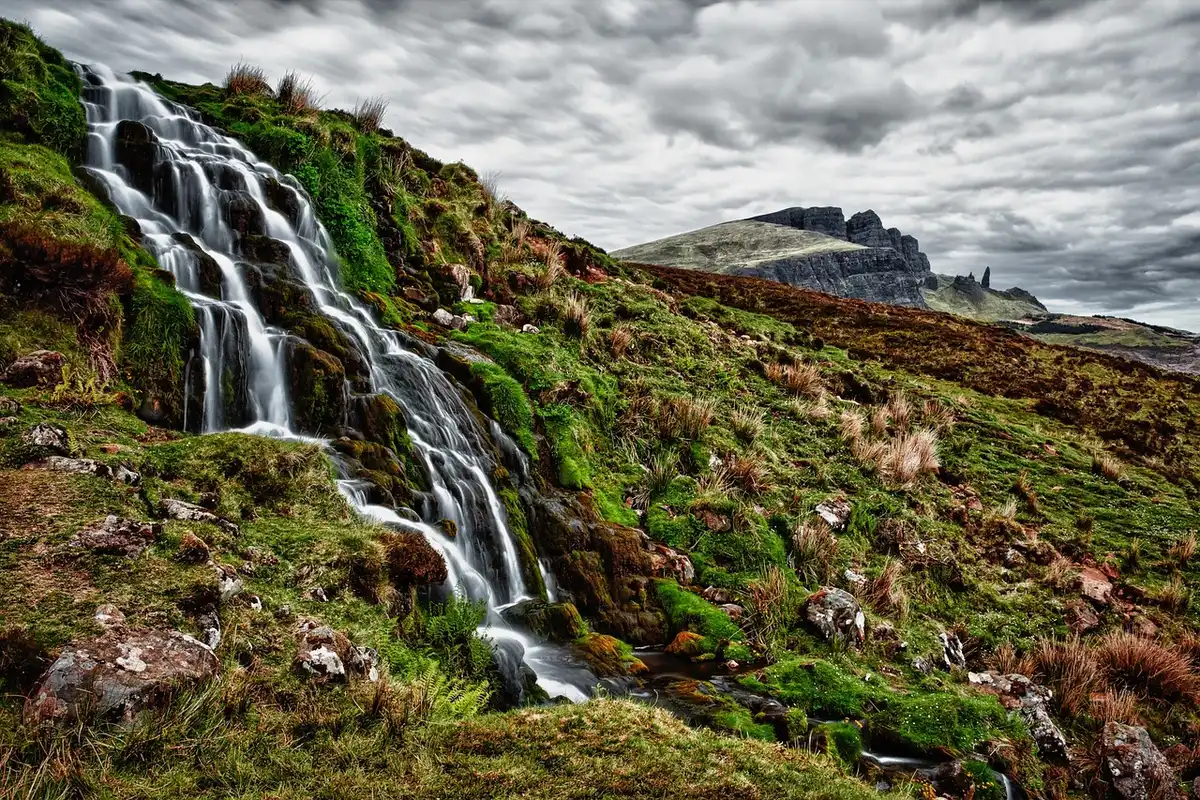
Architectural Digest’s recent state-by-state roundup named the south‑central town of Davis as Oklahoma’s most picturesque community, highlighting its waterfalls and rugged scenery. The designation, published in August 2026, spotlights destinations that blend natural beauty with cultural character — and that matters for local tourism and conservation planning.
Why Davis stood out
Christa Pike released from hospital after failed execution, attorneys say
Dolly Parton tribute drives Madonna Inn crowds: steakhouse unveils limited menu
The magazine’s nationwide project selected one town per state based on visual appeal and the cultural life that animates each place. For Oklahoma, the editors pointed to the dramatic landscape around Davis and the town’s proximity to the long‑cherished natural attractions in the area.
Turner Falls State Park anchors the recommendation. Set in the ancient rock of the Arbuckle Mountains, the park’s waterfall and surrounding features create a setting that photographers, day‑trippers and families often cite as emblematic of Oklahoma’s outdoor draws.
What to see in and around Davis
- Turner Falls — the park’s signature waterfall and a focal point for visitors seeking scenery and swimming spots.
- Blue Hole — a natural swimming area near the park entrance popular in warmer months.
- Collings Castle — a local landmark that adds historical texture to the landscape.
- Caves and hiking trails that thread through the Arbuckle foothills, offering short walks and longer excursions.
- Seasonal wildflower displays and foliage changes that broaden the town’s visual appeal across the year.
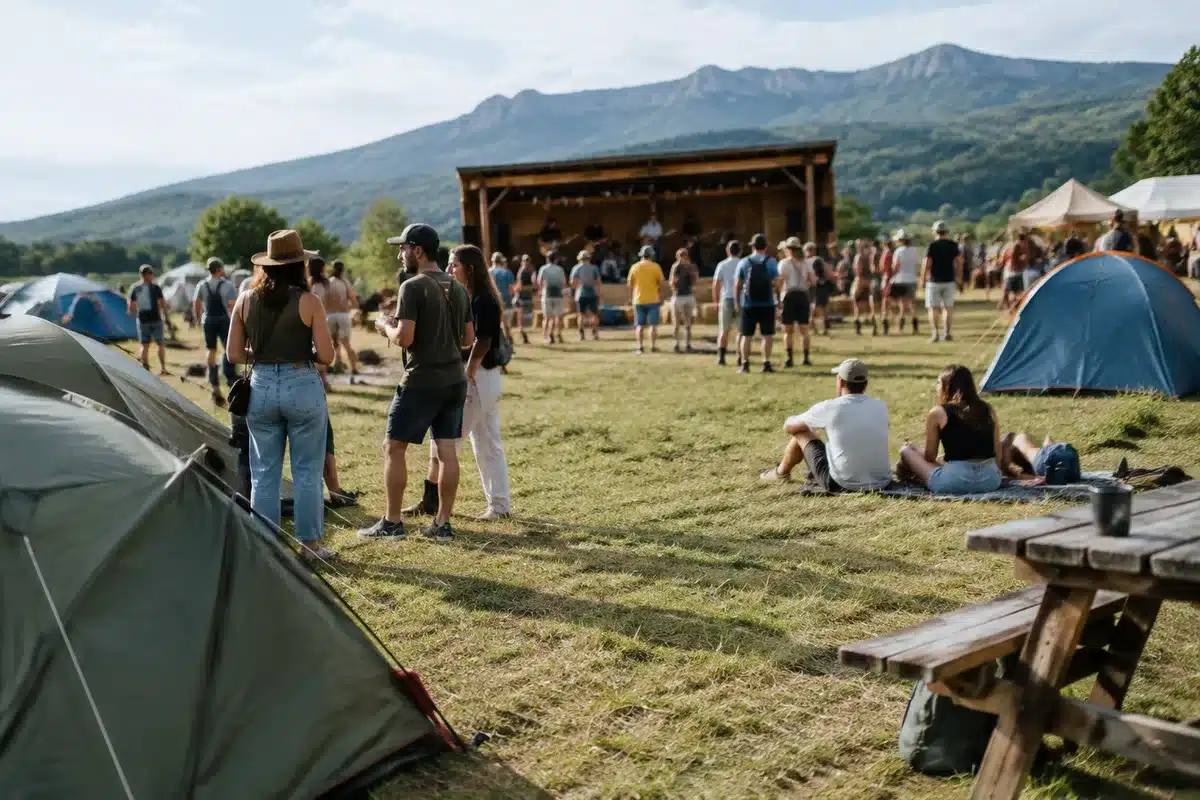
Visitors report a mix of amenities at the park: shallow wading pools below cascades, picnic areas, and campgrounds for overnight stays. Those features help explain why Architectural Digest paired landscape value with a sense of accessibility when naming a “prettiest” town.
Broader context: state lists and local impact
Lists like Architectural Digest’s can reshape travel patterns quickly. A single mention in a national outlet often translates into increased day‑trippers and overnight visitors, which benefits restaurants, outfitters and lodging but also raises questions about parking, trail maintenance and habitat protection.
Across the country the series highlighted a wide range of settings — from coastal towns beside national parks to river cities where waterways define the street grid — underscoring a renewed interest in outdoor and place‑based travel since the pandemic era.
For Davis, the immediate consequence is renewed attention to a community whose economy is closely tied to its natural assets. Local officials and land managers may face pressure to balance visitor services with conservation priorities as foot traffic rises.
Planning a visit
Spring and summer bring the most comfortable conditions for swimming and wildflower viewing; fall showcases foliage in wooded areas. Campgrounds and day‑use areas at Turner Falls fill during holiday weekends, so planning ahead is advisable.
Even for readers not planning a trip, the designation is a reminder of how regional landscapes and small‑town amenities continue to shape travel trends and local economies across the United States.