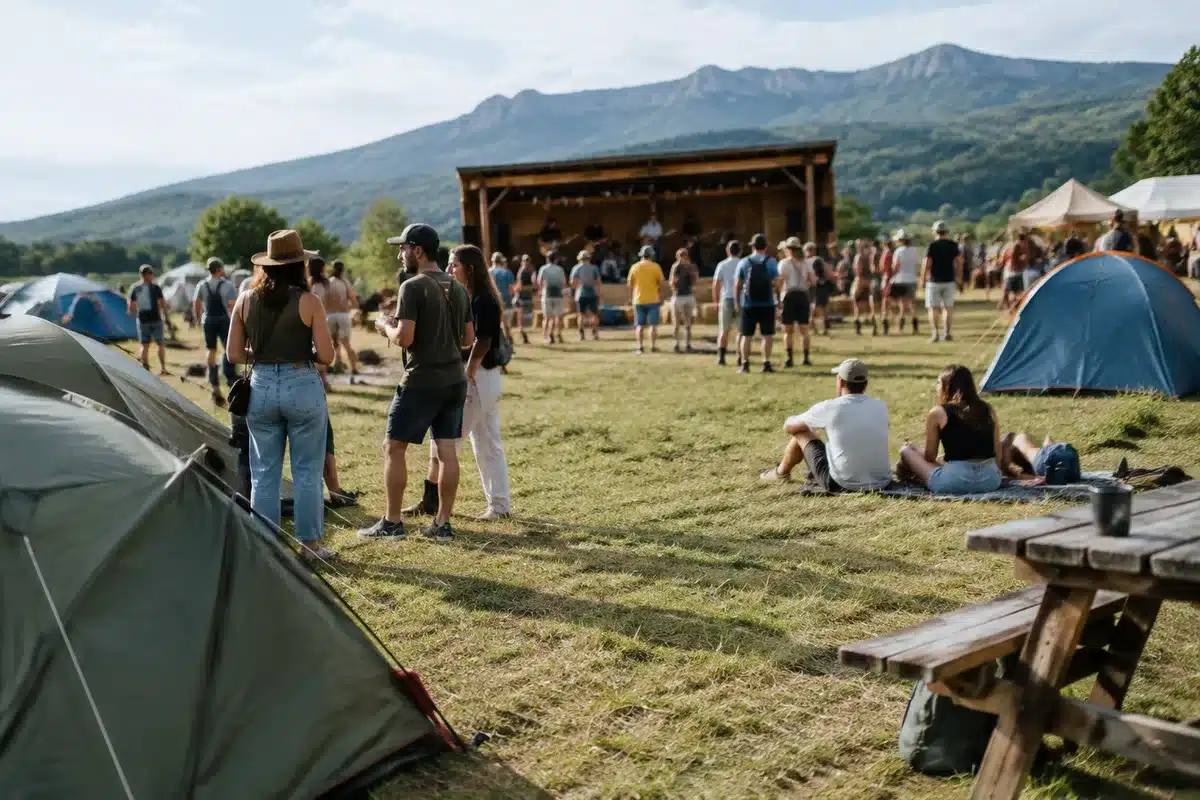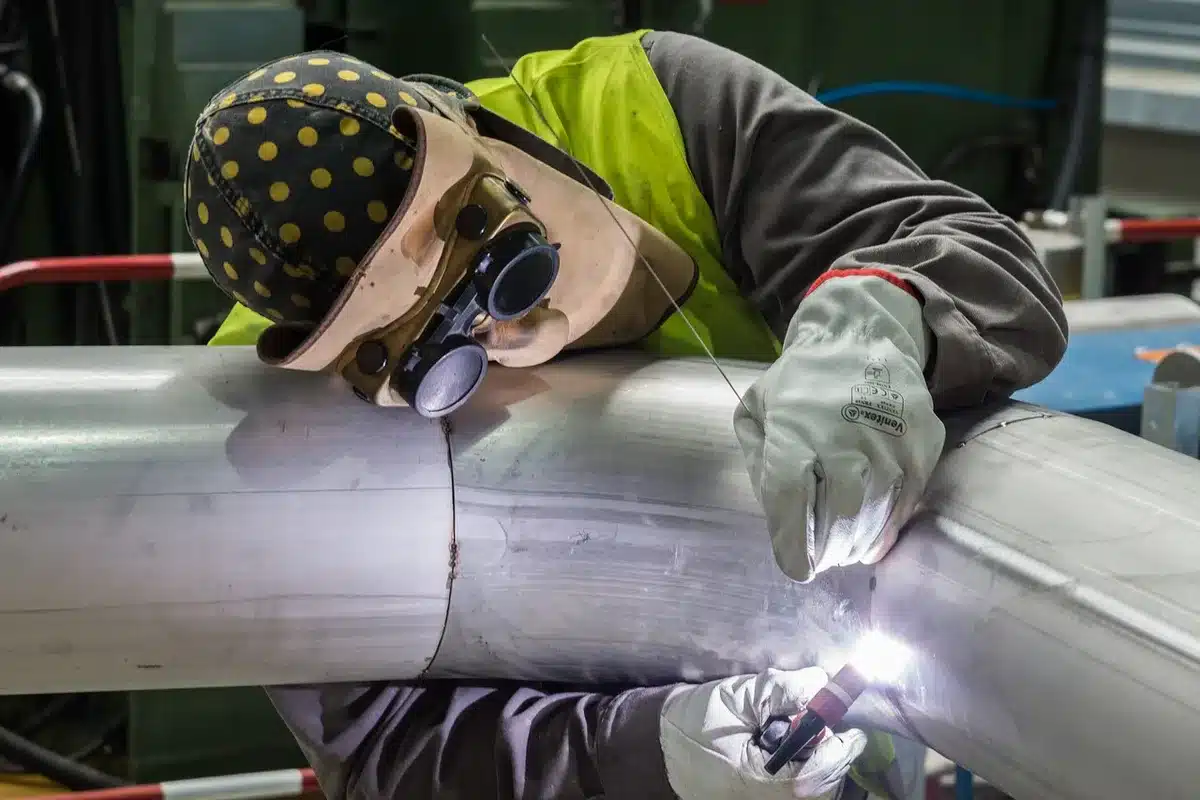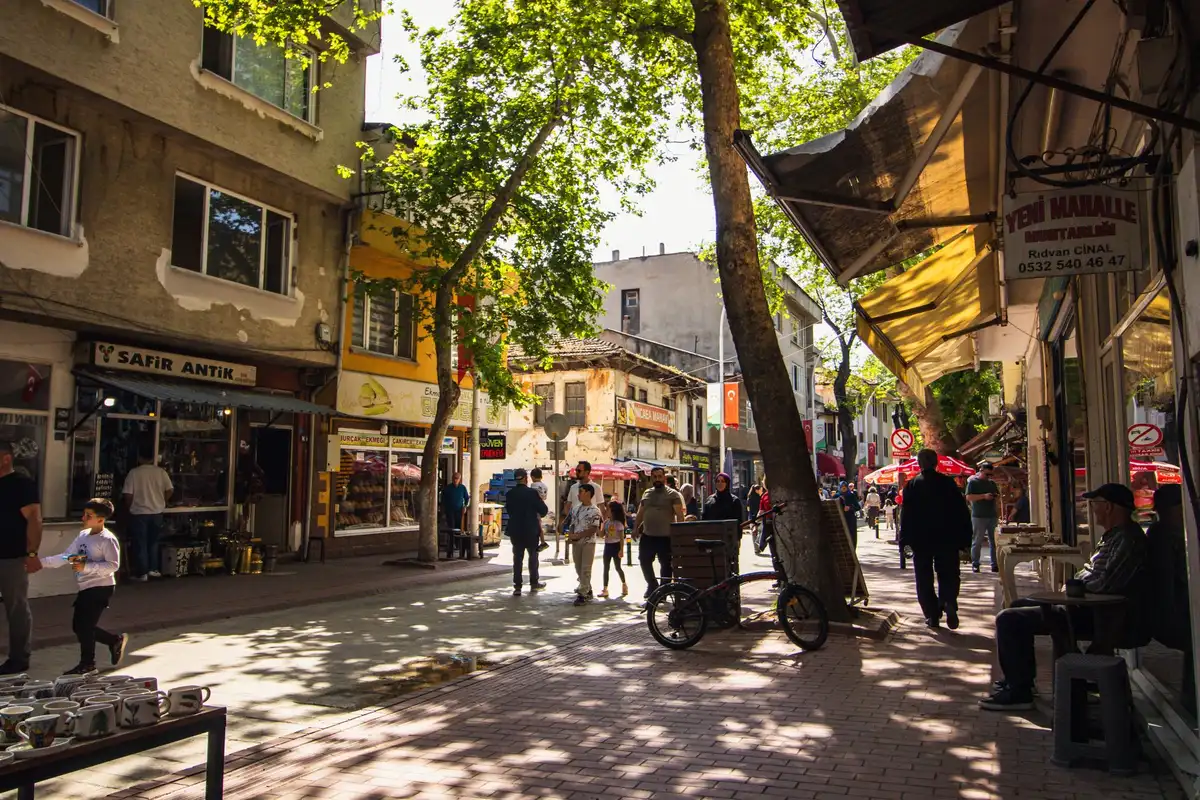
A newly released short film from Visit OKC traces the Plaza District of Oklahoma City through the lives of four residents, arguing the neighborhood’s appeal is less about landmarks and more about the people who keep it alive. The piece arrives at a moment when small-business recovery and cultural tourism matter to the city’s post-pandemic bounce-back.
Visual artist Dusty Gilpin, who has worked in the area for more than 15 years, appears first in the film. Gilpin is based at Canopy, a cooperative studio where painters, performers and designers share space and ideas. For Gilpin, the neighborhood’s identity is formed by overlapping creative communities rather than a single style or industry.
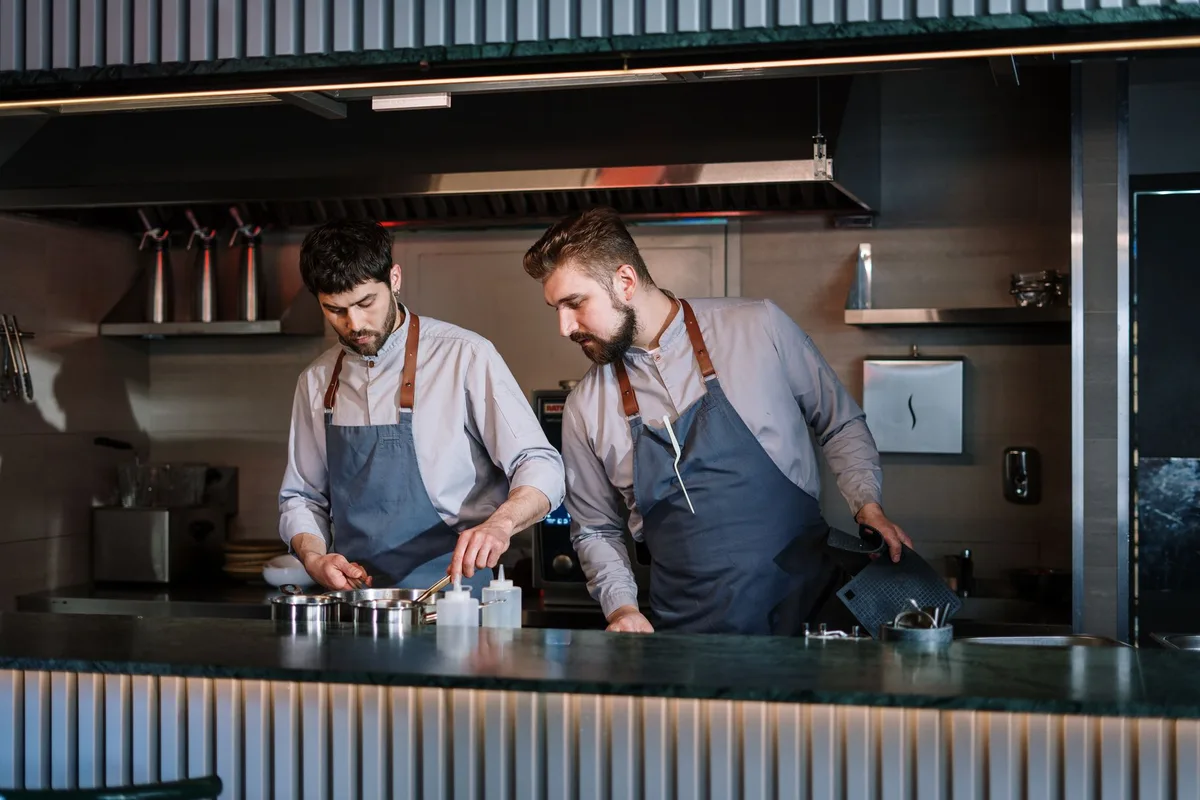
Chef Jeff Chanchaleune tells a different kind of neighborhood story: one of roots and return. He began selling food from a truck in the Plaza in 2013 and has since opened Ma Der Lao Kitchen and Bar Sen. While expanding his restaurants, he discovered his parents once lived directly behind his current storefronts — a personal reconnection that shaped his plans.
Christa Pike released from hospital after failed execution, attorneys say
Dolly Parton tribute drives Madonna Inn crowds: steakhouse unveils limited menu
- Dusty Gilpin — resident artist at Canopy, emphasizes cross-disciplinary collaboration.
- Jeff Chanchaleune — chef and restaurateur whose family history ties him to the district.
- Ashley Wells — executive producer at Lyric Theatre, notes the district’s compact mix of dining, galleries and live theater.
- Diana Harris — owner of Bad Granny’s Bazaar, describes the area as a welcoming community hub.
The Lyric Theatre has anchored live performance on NW 16th Street since 2001; Ashley Wells, the company’s executive producer, highlights how proximity between eateries, galleries and stages creates a walkable culture district that benefits both audiences and local operators.
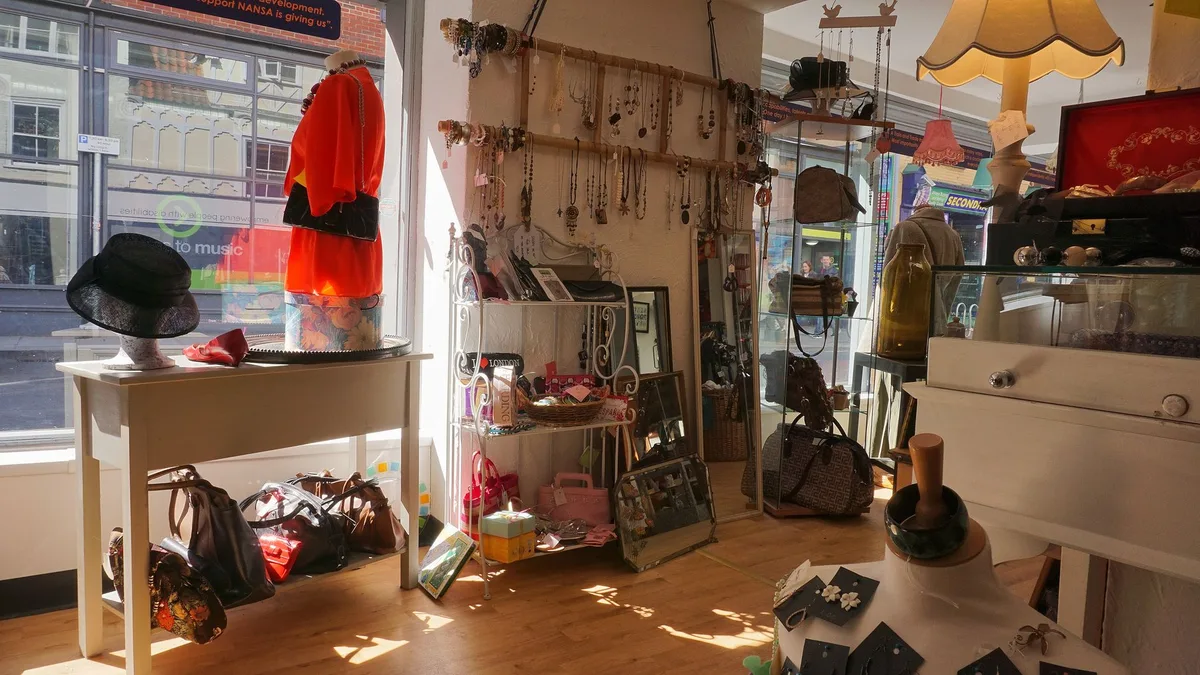
Diana Harris, who opened her vintage shop after discovering the neighborhood in 2009, speaks to the personal side of the Plaza: long-term customers, neighbors who support one another and a sense of belonging that draws people back. “It feels like coming home,” she says in the film.
Beyond individual stories, the video underscores tangible stakes for the district: foot traffic for local merchants, rehearsal and exhibition space for artists, and a cultural identity that helps attract visitors. For civic leaders and tourism promoters, those elements translate into measurable benefits for downtown revitalization.
The short film is presented as a series of first-person accounts rather than a promotional piece, offering viewers on-the-ground perspectives of everyday life in the Plaza. It’s available through Visit OKC’s channels for anyone interested in how neighborhood-level culture sustains commerce and creativity.