Show summary Hide summary
Regional leaders met in June at the National Cowboy & Western Heritage Museum for the Greater Oklahoma City Partnership’s quarterly gathering, where conversations made clear that tourism is increasingly central to the area’s growth strategy. The session tied together project pipelines, upcoming legislative priorities and the rising influence of sports and culture on local economies.
Pipeline momentum and industry mix
Jennifer Martin, senior vice president for economic development at the Greater Oklahoma City Chamber, opened with an update showing a busy pipeline: the Chamber is managing 148 active projects. Interest spans a range of sectors—from aerospace and chemicals to data center supply chains—signaling ongoing diversification of the regional economy rather than dependence on any single industry.
Christa Pike released from hospital after failed execution, attorneys say
Dolly Parton tribute drives Madonna Inn crowds: steakhouse unveils limited menu
That activity suggests steady private-sector confidence, but speakers noted that turning inquiries into long-term investment will require continued coordination between public officials, community groups and developers.
What to expect from the next legislative session
Mike Jackson, the Chamber’s senior vice president for government and community relations, outlined several priorities as lawmakers prepare for the next session. His remarks focused on proposals to modernize county government, expand education and workforce programs, sustain support for military-related investments at Tinker Air Force Base, and adapt to political shifts after the state’s recent primaries.
Jackson stressed that policy choices in the coming months will affect the region’s ability to seize the economic opportunities the project pipeline presents.
Tourism as an accelerator
The featured panel, moderated by Kevin Gullette, examined how travel and visitor-focused investments translate into broader economic gains. Participants included Sunny Cearley of Allied Arts, Jim Cowan of the Chickasha Economic Development Council and Chickasha Chamber, Chad Huntington of Bricktown Water Taxi, and Adam Wisniewski from Visit OKC’s sports development team.
Panelists argued that when communities invest in local culture and package authentic experiences, they create multiple benefits: direct visitor spending, job creation, and improved community identity that helps recruit businesses and residents.
- Storytelling matters: promoting local history and attractions helps outsiders—and locals—understand a place’s economic value.
- Arts and culture are economic assets: museums, public art and cultural programs draw repeat visitors and spur adjacent spending.
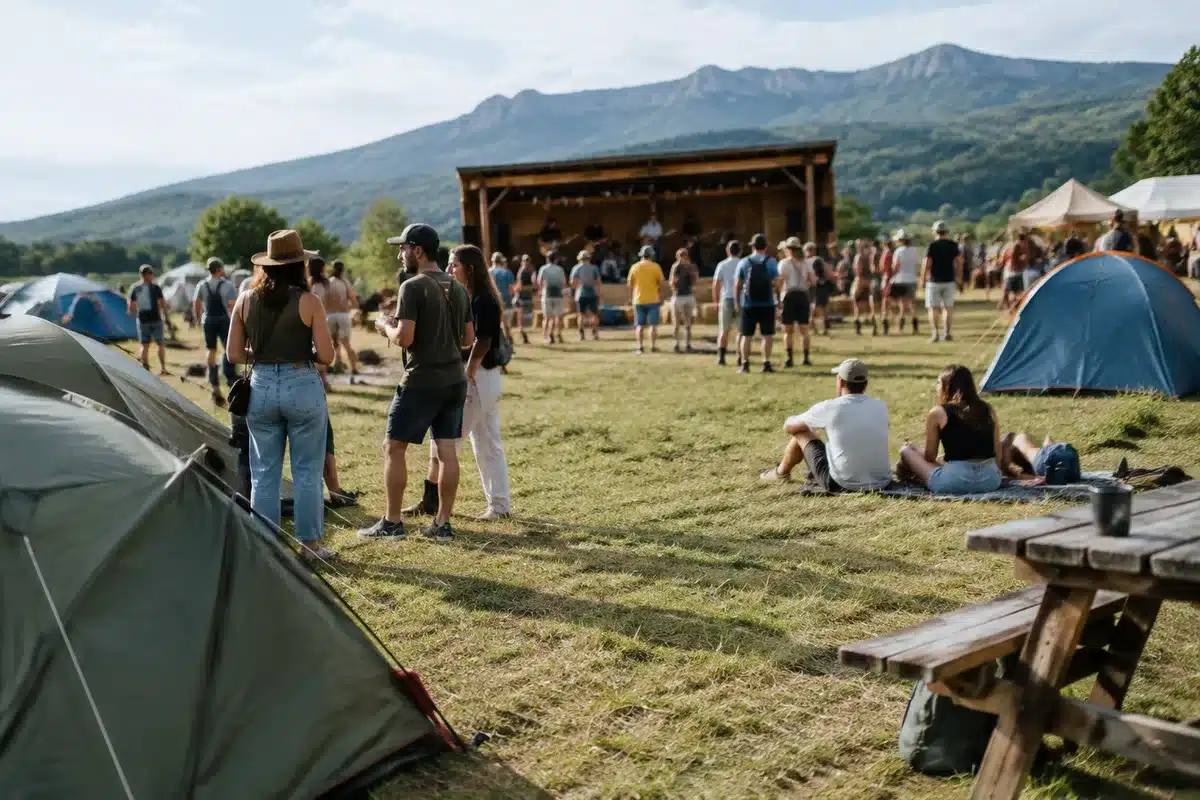
- Major events act as catalysts: sporting events and large-scale gatherings increase visibility and can lead to recurring tourism.
- Public investment in venues and infrastructure multiplies returns when paired with programming and marketing.
Chickasha’s recent efforts were highlighted as an example: local leaders said success came not from a single project but from consistently communicating what the town offers and connecting those assets to broader economic goals.
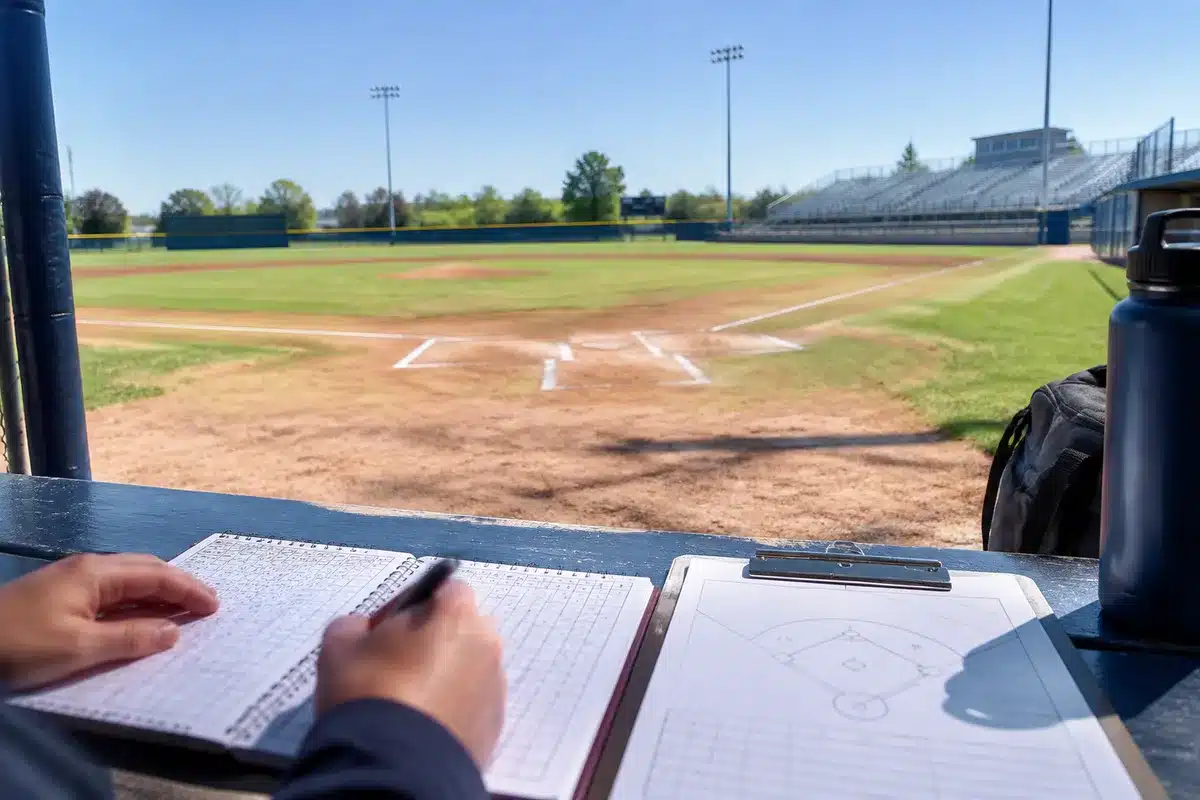
On the sports side, Visit OKC’s sports development lead pointed to the city’s steady investments—through MAPS-funded projects and facility upgrades—and its preparations linked to the 2028 Los Angeles Olympics as platforms for attracting national and international competitions.
Those events, he said, can raise the city’s profile and create a pipeline of future tournaments and visitors, strengthening the case for continued venue investment.
Why this matters now
With an active project pipeline and policy decisions on the horizon, Oklahoma City and surrounding communities face a moment where choices about cultural funding, infrastructure and legislative priorities will shape who benefits from growth. The meeting underscored a practical point: targeted investments and better storytelling can turn tourism into a lasting engine of economic development.
For residents, that means potential new jobs and amenities; for local officials and business leaders, it means aligning investments now to attract both visitors and long-term employers.