Show summary Hide summary
With the 2028 Olympics and a string of high-profile championships on the calendar, Oklahoma City has graduated from an occasional host to a regular stop on the national and international sports map. The shift matters now: rising venue investment and a steady parade of major events are reshaping downtown, driving tourism and putting the city on global broadcast schedules.
From regional gigs to global stages
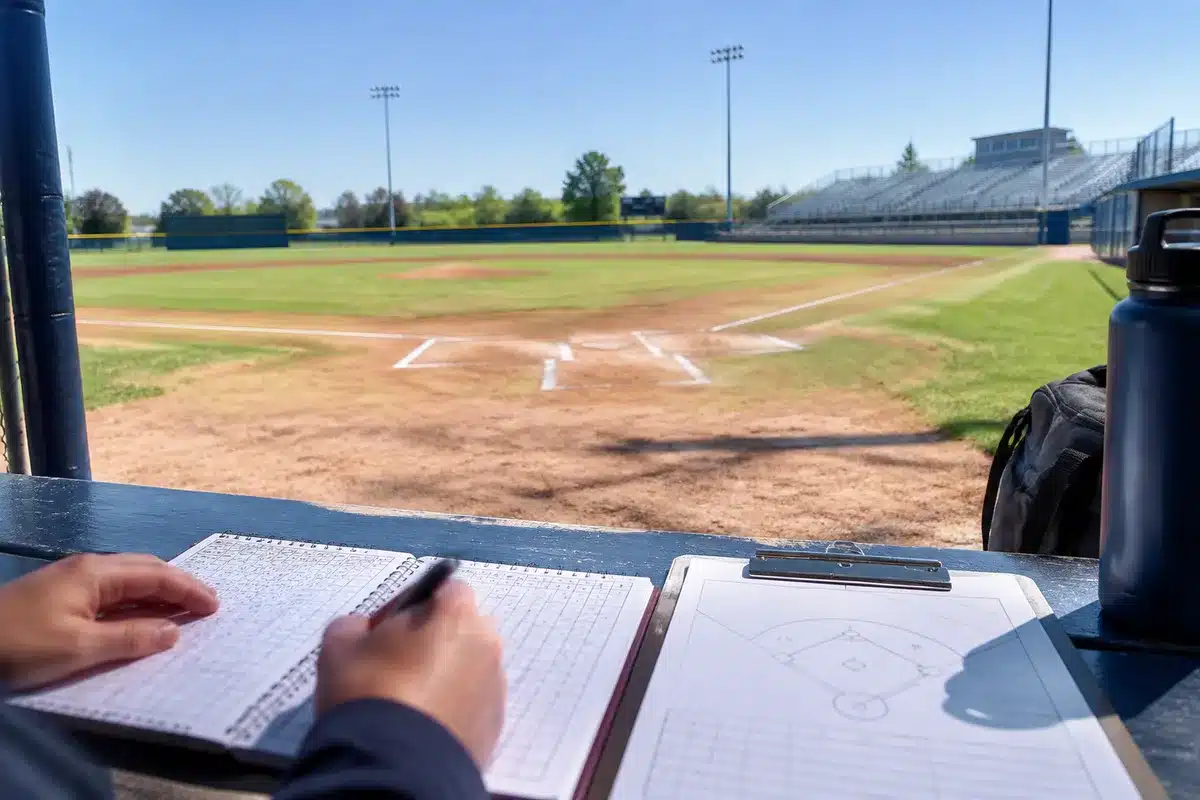
Recent years have seen Oklahoma City win selection for events that carry far more than local prestige. The city will stage all canoe slalom competitions for the LA28 Games at the OKC Whitewater Center and host Olympic softball at the OKC Softball Park in 2028—exposure that will reach millions of viewers worldwide.
Christa Pike released from hospital after failed execution, attorneys say
Dolly Parton tribute drives Madonna Inn crowds: steakhouse unveils limited menu
Before the Olympics, the city is set to welcome the 2026 ICF Canoe Slalom World Championships, drawing elite paddlers and international media to the Boathouse District. Those selections reflect sustained investment along the Oklahoma River and a growing reputation for hosting paddlesports at the highest level.
Major arenas and recurring national events
Indoor and arena-based events continue to anchor the calendar. The Paycom Center has remained a magnet for nationally televised entertainment, including WWE and UFC cards, which attract regional fan bases and boost hotel and restaurant traffic.
At the same time, long-running tournaments cement OKC’s role in collegiate and amateur sport. The city recently hosted the NCAA Women’s College World Series, which this year drew in excess of 105,000 spectators, and routinely stages early rounds of NCAA men’s basketball and national gymnastics and youth-sport qualifiers.
- 2026: ICF Canoe Slalom World Championships — international athletes and media attention
- 2028: Olympic canoe slalom and softball — global broadcast exposure
- Annual: NCAA Women’s College World Series — large attendance and regional visitation
- Regular: WWE, UFC and other national events at Paycom Center — drives overnight stays and local spending
Building capacity for pro sports and bigger draws
Construction under the MAPS 4 program is adding a multipurpose stadium and the Continental Coliseum, projects intended to broaden the city’s ability to host professional teams and larger touring shows. City planners and private partners envision uses ranging from a new professional soccer franchise to UFL football matchups, additional NBA dates and major concerts.
The new venues are more than bricks and mortar; they are part of a strategy to compete for marquee events that were once held only in larger markets. That capability changes negotiations around bids and scheduling, and it lifts Oklahoma City’s profile in national sports conversations.
Youth sports and the rising pipeline
Grassroots and amateur competitions are feeding the ecosystem. Recent months have brought thousands of youth athletes and family members into the city for events such as the OKC Memorial Marathon, national gymnastics championships and tournaments in wrestling, volleyball and softball. These gatherings fill hotel rooms year-round and provide steady revenue to restaurants, retailers and service businesses.
What this means for the city
There are three concrete consequences to track:
- Economic impact: Large events translate into visitor spending on lodging, dining and transport, supporting jobs across the hospitality sector.
- Visibility: National and international broadcasts elevate OKC’s image, helping attract future bids and private investment.
- Urban development: New venues accelerate downtown growth and influence planning decisions for transit and public spaces.
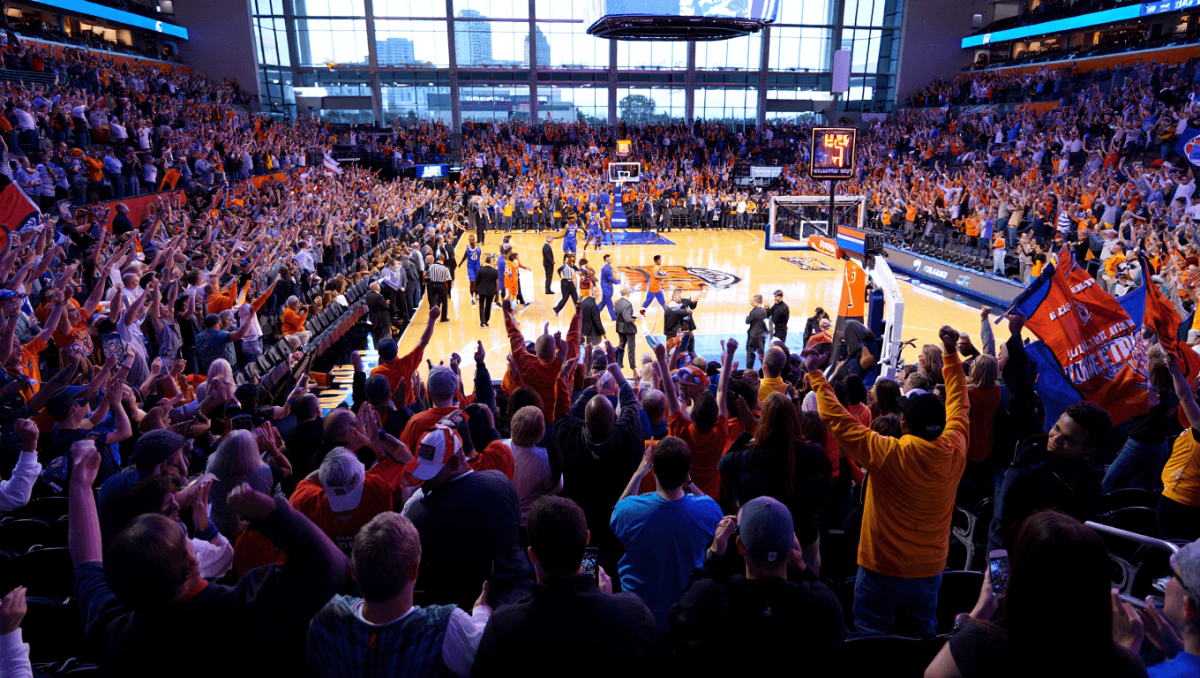
The Oklahoma City Thunder’s 2025 championship and the team’s 2026 postseason presence amplified that visibility, generating prime-time coverage that highlighted the city’s fan base and downtown transformation. Those moments serve as both proof and promotion of Oklahoma City’s major-league credentials.
Taken together, recurring national tournaments, upcoming world championships and new infrastructure investment illustrate more than a fuller sports calendar. They reveal a deliberate, long-term push to position Oklahoma City as a competitive host for the kinds of events that drive tourism and urban renewal—trends likely to continue as the city prepares for the next Olympic cycle.