Show summary Hide summary
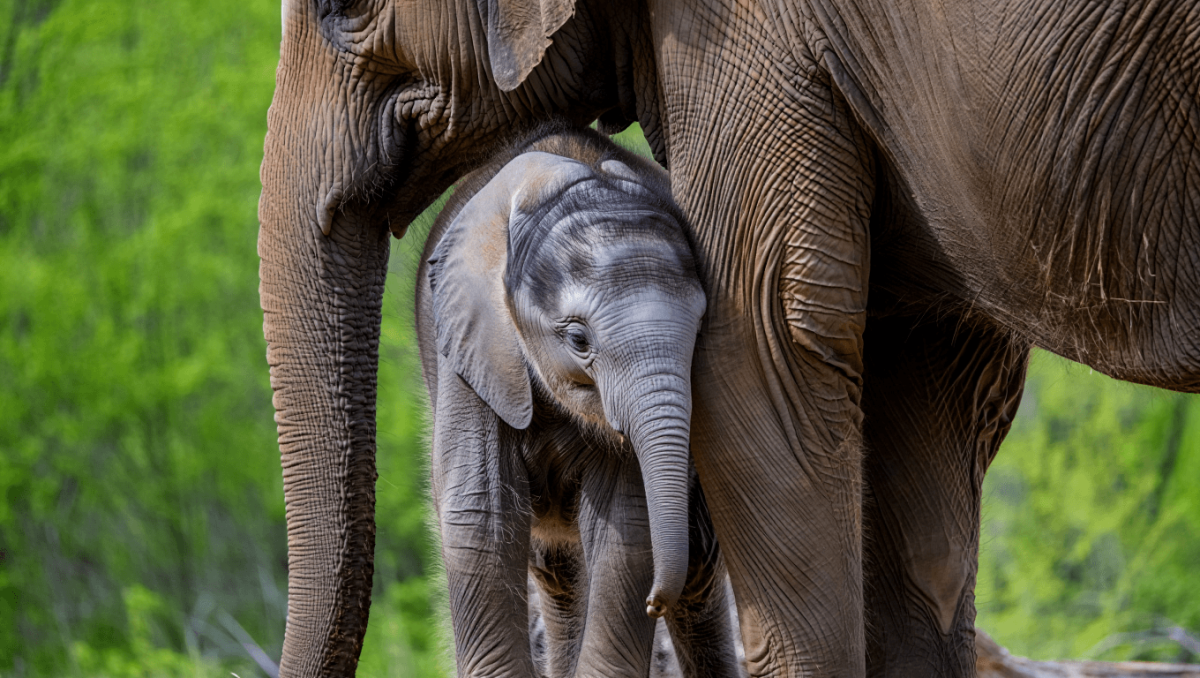
The Oklahoma City Zoo announced this week that staff welcomed an unexpected elephant calf, a rare and closely watched arrival that brings immediate attention to animal care and conservation work at the facility. The surprise birth matters now: newborns require around-the-clock monitoring, and the event can affect exhibit access, herd dynamics and the zoo’s breeding program planning.
What happened
Zookeepers discovered the newborn after the mother gave birth without prior public notice. Staff report the pair are under continuous observation to ensure the calf’s stability and the mother’s recovery. For the time being, the zoo has limited public access to the elephant habitat to reduce stress on the animals and allow caregivers to provide focused support.
Christa Pike released from hospital after failed execution, attorneys say
Dolly Parton tribute drives Madonna Inn crowds: steakhouse unveils limited menu
The zoo has not released the calf’s sex or identified the species publicly, and has said it will share additional details once veterinary checks and postpartum routines are complete.
Immediate priorities for staff
Veterinary and animal-care teams are concentrating on a few key tasks: confirming the newborn’s health, supporting maternal bonding, and preventing infections or complications that can follow a birth. Those steps are routine but essential in the hours and days after an elephant is born.
- Monitoring: Continuous observation of feeding and movement patterns.
- Health checks: Veterinary assessments to detect any early problems.
- Exhibit access: Temporary restrictions to minimize disturbance.
- Herd management: Adjustments to social groupings if required.
Why this matters beyond the zoo
Every elephant birth in a managed-care setting has broader implications. Captive births can contribute to genetic diversity, support research into elephant health and behavior, and bolster education about threats wild populations face, such as habitat loss and poaching. While the vast majority of global conservation relies on protecting animals in the wild, births like this one offer opportunities for learning and long-term species-management planning.
Elephants have one of the longest gestation periods among mammals—about 22 months—which makes each pregnancy a major commitment for staff and significant for population management. A successful outcome can inform veterinary protocols and future care strategies across institutions that work with pachyderms.
What visitors should expect
The zoo has limited immediate viewing and may update operating procedures for the elephant area in the coming days. Visitors looking to see the new calf should check the zoo’s official channels for the latest information rather than relying on on-site signage alone.
Officials say updates will be provided as soon as routine health assessments are complete and staff are confident that sharing images or details will not interfere with the animals’ well-being.
For now, the focus remains on ensuring the newborn and mother are stable and that the herd adapts smoothly to the new arrival. The zoo’s announcement highlights how quickly animal-care priorities can shift and why close monitoring is essential in the hours after any unexpected birth.