Show summary Hide summary
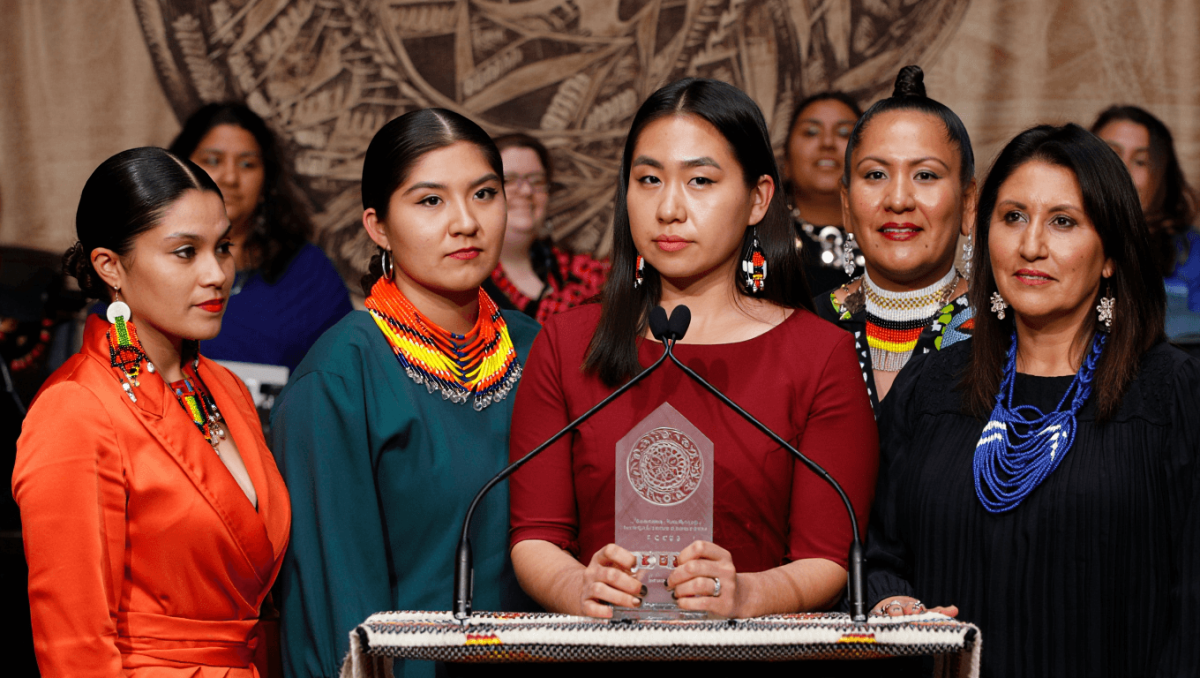
The inaugural BRAIDED Matriarch Awards, held this week, celebrated Indigenous women who are driving change across their communities — from language revitalization to environmental stewardship. The new prize spotlights leadership that is often overlooked by mainstream recognition and signals growing attention to Indigenous women as central actors in social, cultural and political renewal.
Organizers framed the awards as more than a ceremony: they said the Matriarch honors provide public verification and practical support for leaders whose work links tradition, policy and community survival. For readers, the moment matters because these recognitions shape who is invited into broader conversations about climate response, education and reconciliation.
What the awards recognize
The BRAIDED Matriarch Awards focus on contributions that combine lived knowledge with collective action. Rather than celebrating single achievements in isolation, the initiative highlights work that strengthens community and passes on cultural practices to younger generations.
Christa Pike released from hospital after failed execution, attorneys say
Dolly Parton tribute drives Madonna Inn crowds: steakhouse unveils limited menu
- Community leadership: grassroots organizing, coalition building and local governance
- Cultural continuity: language reclamation, arts and ceremonies that sustain identity
- Environmental stewardship: land guardianship, resource management and climate resilience
- Youth and education: mentorship, curriculum development and intergenerational learning
- Holistic wellbeing: health, healing practices and social supports rooted in Indigenous knowledge
Why this inaugural ceremony matters now
Recognition comes at a moment when Indigenous communities are asserting greater influence in regional and national policy debates. By elevating female leaders specifically, the awards address two linked gaps: the historical marginalization of Indigenous perspectives and the chronic underrepresentation of women in leadership forums.
The ceremony also provides practical benefits beyond prestige. Winners and finalists are often offered networking opportunities, small grants or partnerships with academic and cultural institutions — tools that can amplify community-led projects and attract sustained funding.
Voices, not trophies
The emphasis at the event was frequently on accountability and reciprocity rather than trophy culture. Several speakers and attendees framed the awards as a way to shift narrative control back to Indigenous communities: recognition should accompany resources and long-term commitments, they argued, not merely a one-off applause.
That perspective changes how such awards are judged by observers. When recognition is tied to measurable community outcomes — school programs sustained, acres of land stewarded, languages taught to a new cohort — it becomes a lever for policy makers and funders to engage more responsibly.
What to watch next
The inaugural BRAIDED Matriarch Awards create a benchmark for future editions. Observers will be looking for whether the program grows to include regional chapters, whether partnerships translate into material support, and how media coverage evolves to present Indigenous-led solutions with the nuance they require.
For journalists and editors, there is an immediate reporting opportunity: documenting the projects behind the winners, tracking follow-through on promised support, and amplifying stories that demonstrate the concrete impact of Indigenous women’s leadership on local resilience.
In the months ahead, the awards could also influence funding priorities and academic collaborations. If the initiative maintains a focus on accountability and sustained support, it may become an incubator for models that other organizations adopt.
Ultimately, the BRAIDED Matriarch Awards do more than hand out prizes — they open space for Indigenous women’s strategies to be seen, validated and scaled. That shift in visibility is the story worth following as this new awards program develops.