Show summary Hide summary
On April 1, 2026, the U.S. Supreme Court heard oral arguments in Trump v. Barbara, a case that challenges an executive order aiming to narrow who qualifies for citizenship at birth. The decision — expected this summer — could reshape long-standing legal interpretations and is already stirring anxiety among students and families at Cal Poly.
What the court is weighing
The dispute centers on Executive Order 14160, which interprets the first clause of the 14th Amendment to exclude children born in the United States to parents who are in the country without permanent status. The administration argues that the phrase “subject to its jurisdiction” limits automatic citizenship; opponents point to more than a century of case law and federal statutes that have treated birth in the U.S. as a path to citizenship.
Legal scholars note two key milestones supporting the traditional view: the Supreme Court’s 1898 ruling in U.S. v. Wong Kim Ark and the Immigration and Nationality Act of 1952, both of which have been used to interpret the amendment as granting citizenship to virtually anyone born on U.S. soil. At Cal Poly, Jared Van Ramshorst, an assistant professor and political geographer, said the administration’s reading conflicts with how undocumented residents are already subject to civil and criminal laws.
Christa Pike released from hospital after failed execution, attorneys say
Dolly Parton tribute drives Madonna Inn crowds: steakhouse unveils limited menu
How a ruling could ripple through campus life
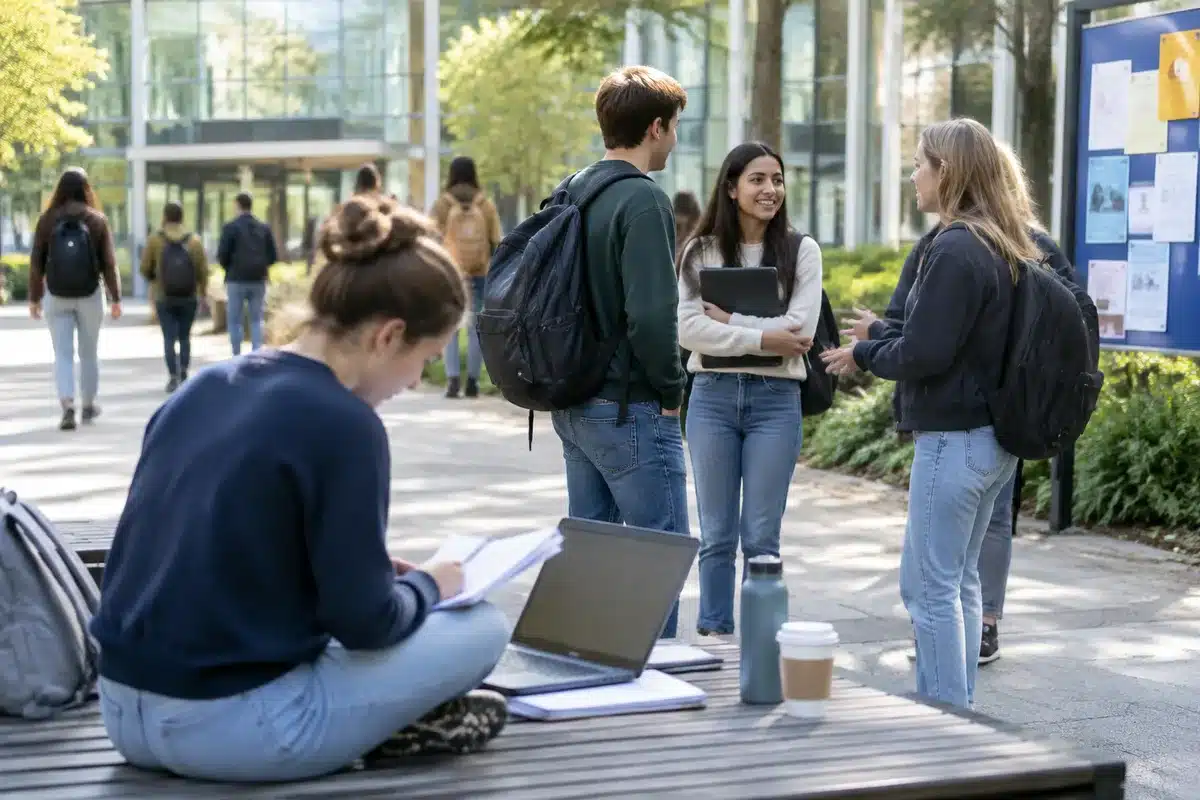
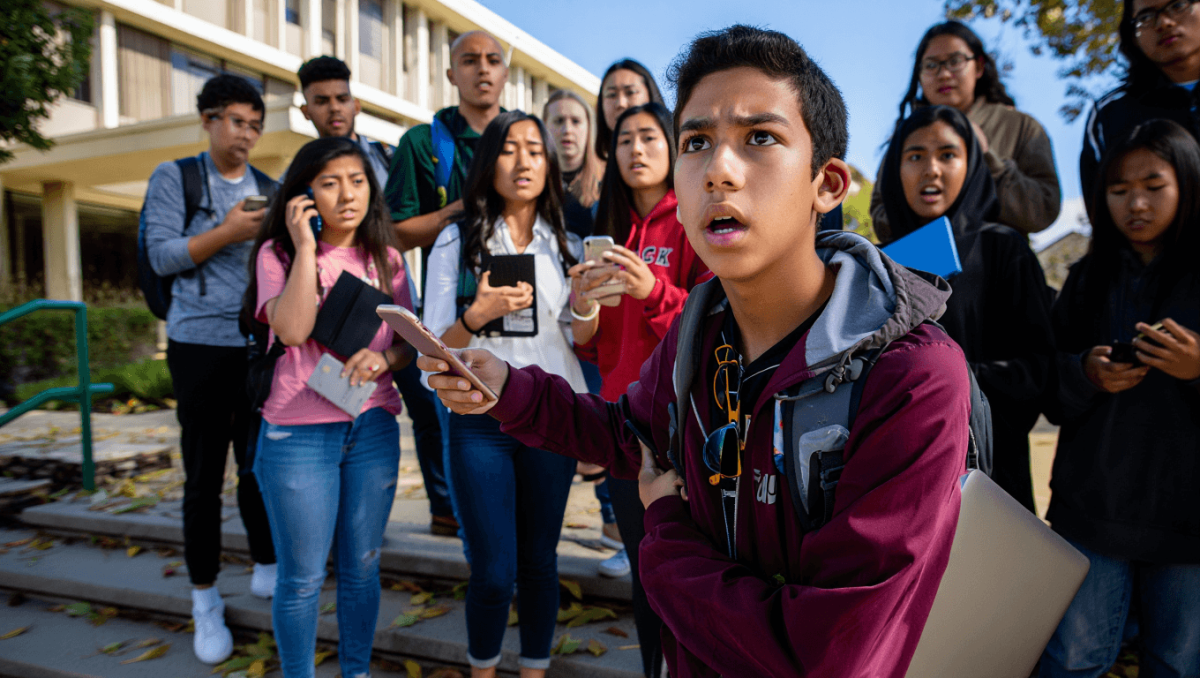
Even before a decision is announced, students at Cal Poly — a university designated as a Hispanic-Serving Institution — report feeling exposed and uncertain about their futures. For many, the case is not an abstract constitutional debate but a question of safety, family stability and belonging.
Students raised practical worries: whether parental deportations could rise, whether a favorable ruling for the administration could be applied retroactively, and how records and benefits might be affected. Those concerns extend into classrooms and local schools, where teachers sometimes see children disappear mid-year when families move suddenly.
- If the order is upheld: Potential loss of birthright citizenship for some U.S.-born children; legal and administrative disruption for documents and benefits.
- If the order is struck down: The current understanding of birthright citizenship would remain intact, preserving more than a century of precedent.
- Either outcome could increase fear in immigrant communities and change family decisions about childbearing, schooling and travel.
Voices from students and staff
Third-year political science student Lizett Acosta Mendoza said the debate has made her question the protections she assumed as someone born in the U.S. She described a sense of institutional distance when the university does not publicly address the concerns of immigrant communities and expressed frustration over surveillance measures on campus that feel intrusive to vulnerable students.
For families, the stakes are practical as well as emotional. Mendoza recounted that her sister, a bilingual teacher, regularly worries when her students move away without notice — in many cases because parents leave abruptly. That uncertainty, Mendoza said, is a constant background stress for educators and families alike.
Izzy Perez Pedraza, vice president of the Black Student Union, described ongoing fear tied to enforcement activity in the county. He worries that a decision limiting birthright citizenship would drive more anxiety about starting families and raise barriers to belonging for long-settled communities.
Other students say they want clarity. Cassandra Cruz, studying psychology and ethnic studies, hopes the court will resolve the question cleanly, ending a period of legal uncertainty that affects daily life for many campus families.
University response and immediate implications
Cal Poly’s spokesperson, Keegan Koberl, told Mustang News the university recognizes the uncertainty facing its community and is closely monitoring the case. The university has reiterated its commitment to maintaining a safe and welcoming learning environment and pointed students, faculty and staff to campus resources ranging from legal assistance to mental health services.
Whatever the court decides, the ruling will have concrete consequences beyond legal doctrine: for enrollment and campus climate, for school districts serving immigrant families, and for countless households weighing practical choices about work, travel and childbearing.
What to expect next
CBS News has reported the court plans to issue its opinion before July. If the justices uphold the executive order, that would break with more than 100 years of judicial and legislative interpretation of the birthright citizenship clause and trigger complex questions about documentation and retroactive effects. A decision rejecting the order would preserve the status quo but may not end political debate over immigration policy.
For now, students at Cal Poly say they will continue to press the university for clear communication and access to support, while communities brace for a ruling that could reach far beyond the courtroom.