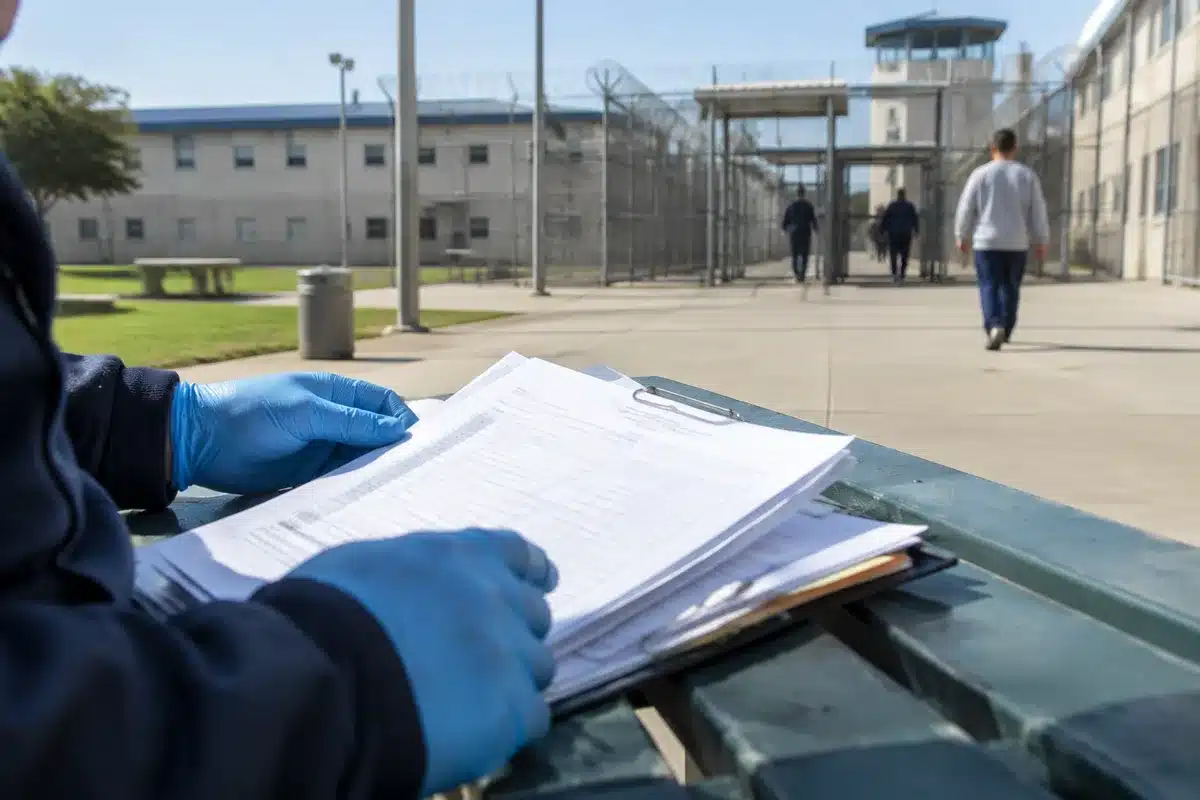
San Luis Obispo city officials held a month-long survey in September to gather neighborhood perspectives on the city’s approach to homelessness as they prepare a new strategy for 2027–2031. The outreach comes as local leaders extend the planning horizon and point to recent declines in the unhoused population as evidence their housing-focused efforts are beginning to work.
The online questionnaire, open from Sept. 1 through Sept. 30, asks 14 questions about respondents’ backgrounds and their views on homelessness in the county. City staff say the feedback will inform revisions to the existing Homelessness Strategic Response framework that was launched in March 2023.

Data from the city’s most recent point-in-time count shows a 22 percent drop in the local homeless population over the past four years. The overnight tally put the total at 1,118 people, with 452 recorded in shelter and 666 living unsheltered.
Christa Pike released from hospital after failed execution, attorneys say
Dolly Parton tribute drives Madonna Inn crowds: steakhouse unveils limited menu
Daisy Wiberg, San Luis Obispo’s homelessness response manager, told reporters the next strategy will cover four years rather than the previous two, allowing more time for projects to move from planning into operation. She emphasized that community input is central to shaping priorities and tactics in the updated plan.
In recent years the city has leaned heavily on housing solutions. Notable accomplishments include the Welcome Home Village, which added 54 interim and permanent affordable units, and the city’s purchase of a local Motel 6 with state Homekey funding to convert the site into 79 permanent supportive housing units.
Wiberg described the two main levers the city expects to use going forward: expanding both interim and long-term supportive housing, and investing in prevention programs that address the underlying causes of homelessness before people lose housing. That emphasis reflects recurring input from residents and service providers after the previous plan.
Local officials say there are several straightforward ways residents can contribute beyond completing the survey. Volunteering and direct involvement remain important sources of both labor and local insight.

- Complete the city’s homelessness survey (open through Sept. 30) to provide neighborhood-level perspectives.
- Volunteer with Community Action Partnership of San Luis Obispo (CAPSLO) or at the 40 Prado Homeless Services Center.
- Help at food distribution sites or other nonprofit homeless services in the county.
- Take part in the biennial point-in-time count to meet residents experiencing homelessness and support data collection.
City leaders say extending the plan’s timeframe will allow larger projects—like converting motels and building supportive housing—to mature and produce measurable results. For residents, that means local policy will increasingly focus on creating housing capacity and preventive programs that could reduce visible homelessness over the medium term.
With the survey window now closed, officials will compile responses and integrate community priorities into the 2027–2031 strategy, outlining specific actions and timelines for expanding supportive housing and upstream investments aimed at preventing homelessness.