Show summary Hide summary
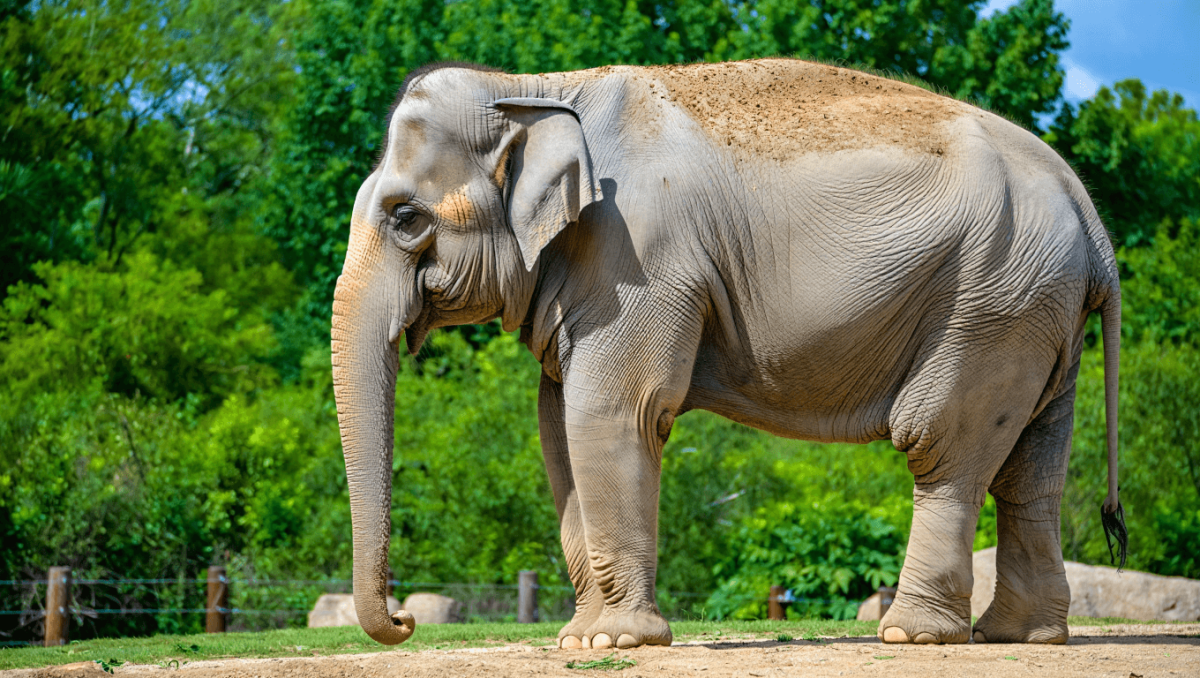
The Oklahoma City Zoo has confirmed that one of its endangered Asian elephants is pregnant — a development that matters beyond the exhibit: it contributes to long-term conservation efforts and offers a rare chance for the public to watch a high-profile species reproduce. The announcement renews focus on captive breeding programs and what a successful birth could mean for the species’ future.
Why this pregnancy matters now
Asian elephants face ongoing threats in the wild, including habitat loss and human-wildlife conflict, and are listed as Endangered by conservation authorities. Births in accredited zoos support managed breeding programs that preserve genetic diversity and keep populations healthy while wider conservation work continues in range countries.
Christa Pike released from hospital after failed execution, attorneys say
Dolly Parton tribute drives Madonna Inn crowds: steakhouse unveils limited menu
The pregnant elephant’s arrival is also an educational moment. Zoos use expectant pregnancies to spotlight conservation science, animal care and the challenges wild elephants face, giving visitors a window into efforts that extend beyond a single facility.
What to expect next
Elephant pregnancies are long. In general, gestation for Asian elephants runs many months, and staff will closely monitor the mother throughout. Veterinary teams typically track health with regular checkups, nutritional adjustments and behavioral observations to ensure both mother and calf are progressing well.
- Close monitoring: routine exams and noninvasive testing to track the pregnancy.
- Care preparations: specialized diet, modified enclosure access and on-call veterinary staff near expected birth time.
- Visitor updates: the zoo is likely to post progress and viewing information on its public channels as the due window approaches.
Newborn elephants require intensive maternal care and social support, and many zoos coordinate with regional breeding programs to plan for the calf’s long-term health and potential role in species management.
Conservation context and next steps
Breeding successes in human care do not replace protection of wild habitats, but they provide a safety net and help fund outreach and research. For the Oklahoma City Zoo, a new calf would be a measurable contribution to broader efforts — from studbook management to educational outreach — that aim to stabilize populations over time.
Zoo officials say they will continue to share updates publicly and to prioritize the mother’s well-being. For people following the story, the coming months will reveal whether the pregnancy proceeds to term and how the facility navigates the delicate work of guiding a healthy birth.