Show summary Hide summary
For more than a century, JCPenney has been woven into Oklahoma’s retail life — from downtown storefronts to mall anchor positions — and recent industry shifts have put those familiar locations into the spotlight. As the retail landscape evolves, the fate of long-standing JCPenney sites matters to local jobs, mall traffic and how communities reuse large retail spaces.
From Main Street to the mall: how JCPenney became a local fixture
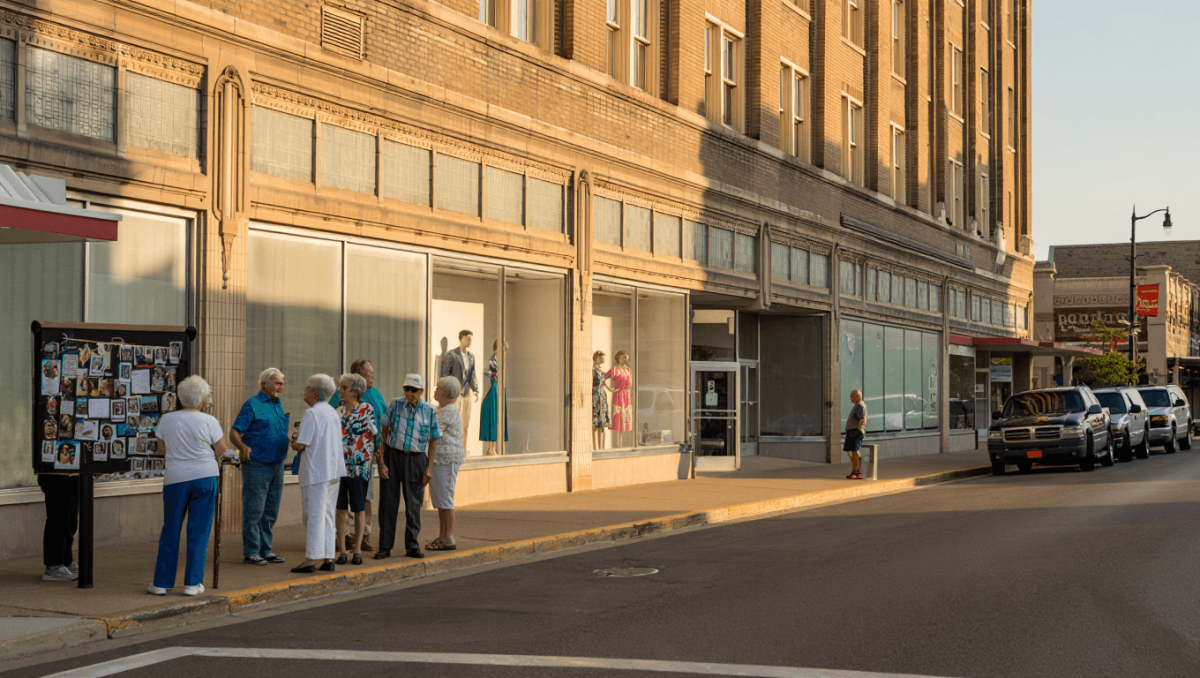
Founded in 1902, the company that became JCPenney grew alongside the expansion of American towns and suburbs. In Oklahoma, the retailer established a presence early on, becoming a go-to shop for clothing, home goods and seasonal essentials. Over decades, its stores served as more than places to buy; they acted as meeting points and symbols of local retail vitality.
Christa Pike released from hospital after failed execution, attorneys say
Dolly Parton tribute drives Madonna Inn crowds: steakhouse unveils limited menu
As shopping patterns shifted in the mid-20th century, JCPenney pivoted with the times, taking prominent positions in newly built malls and shopping centers. Those anchor stores helped shape where people shopped and how nearby businesses fared.
Recent pressures and why they matter now
The rise of online shopping, changing consumer habits and the shock of the 2020 pandemic forced JCPenney into a formal restructuring. The company filed for Chapter 11 protection in 2020 and later emerged under new ownership and a revised business plan. That restructuring led to a re-evaluation of many locations nationwide, including dozens across Oklahoma.
For Oklahomans, these decisions have direct consequences: store closures reduce local employment, weaken mall foot traffic and leave large retail parcels that cities and landlords must repurpose. In some communities those empty anchor spaces have become opportunities for redevelopment; in others they are a visible sign of downtown and suburban retail stress.
- Employment impact: Longtime store closures affect hourly workers and managers, many of whom have roots in their communities.
- Local economy: Anchor stores drive traffic to smaller retailers; losing one can ripple across a mall or shopping district.
- Real estate reuse: Large vacant floors invite creative reuse — from medical facilities and fitness centers to educational space — but conversion takes time and investment.
Milestones in the retailer’s timeline
| Year (approx.) | Significance |
|---|---|
| 1902 | Company founded; beginnings that set the stage for nationwide expansion. |
| Mid-20th century | Expansion into suburban malls and a growing footprint across Oklahoma towns and cities. |
| Late 20th century | Many Oklahoma JCPenney locations became established community shopping anchors. |
| 2020 | Company filed for Chapter 11 bankruptcy amid pandemic-related disruptions and broader retail headwinds. |
| 2021–present | Restructuring and strategic reshaping of store footprint; some locations closed, others retained or repurposed. |
What communities are doing next
Across Oklahoma, local leaders and property owners are taking different approaches to former anchor spaces. Some are seeking tenants that restore daily foot traffic — health clinics, entertainment venues and regional services. Others are pursuing mixed-use projects that blend retail with offices or housing to stabilize revenue and revive surrounding areas.
Repurposing an anchor store is rarely quick or cheap. But these projects can yield lasting benefits if they align with local planning goals and market demand.
What to watch
Residents and local officials should track a few concrete signs that indicate how a former JCPenney location will affect its community:
- Announcements about new tenants or redevelopment plans
- City permitting activity for renovation or demolition
- Employment notices from properties replacing retail uses
- Changes in mall occupancy rates and shopper traffic patterns
For many Oklahomans, JCPenney stores are tied to memories — first jobs, seasonal shopping and community rhythms. As the company continues to adjust, the choices made about each site will shape local economies and the look of shopping districts for years to come.