Show summary Hide summary
A recent national analysis spotlights two south Oklahoma City ZIP codes among the 50 fastest-growing “new” neighborhoods in the United States — a change that is reshaping local housing markets, schools and commuting patterns. The RentCafe report, released in June 2026, tracks a decade of housing and population change and offers a clear sign that growth in the metro is moving south and southwest.
RentCafe examined roughly 32,400 ZIP codes across the country and applied strict thresholds to identify emerging neighborhoods: a minimum 51% rise in housing stock from 2014 to 2023, at least 1,000 housing units by 2023 and high occupancy rates. Two Oklahoma City-area ZIP codes met those criteria and landed on the national list.
Why these areas matter now
Rapid additions of housing units alter local demand for services, affect school enrollment and shift transportation patterns. Developers and homebuyers watch these trends closely because they can signal where affordable options and new neighborhoods will appear in the coming years.
Christa Pike released from hospital after failed execution, attorneys say
Dolly Parton tribute drives Madonna Inn crowds: steakhouse unveils limited menu
73173 — near southwest OKC
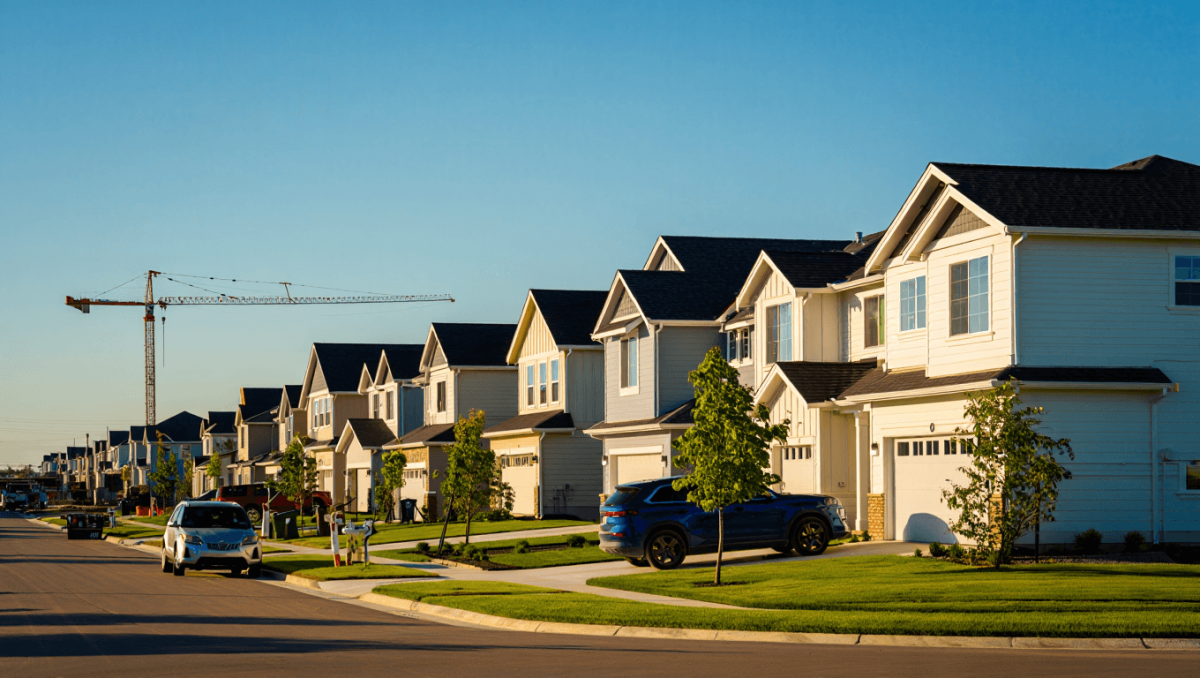
The ZIP code 73173 ranks among the top 20 nationally on RentCafe’s list, reflecting a near threefold expansion in housing over the past decade. Growth here has been concentrated in single-family subdivisions with larger lots and easy freeway access.
Key details reported by RentCafe and confirmed by local brokers include:
- Rank: 16th nationally
- Housing units: rose from about 505 in 2014 to 1,434 in 2023 — roughly a 184% increase
- Population: climbed from about 1,600 to more than 4,500
- Occupancy: 97.6% occupied
- Homeownership: near 95%
- Education: about 86% hold higher education credentials
- Median income change: up roughly 11.7% over the decade
Located in southwest Oklahoma City and spilling into northern Cleveland County, the area lies close to Will Rogers International Airport and the Oklahoma City Outlet Mall, and benefits from access to Interstate 44. Local real estate agents say the market has attracted families and professionals seeking more yard space — many new lots are at least a half-acre — and that retail and infrastructure projects along corridors like Southwest 104th Street have helped accelerate development.
For some homebuyers the appeal is straightforward: larger properties, room for hobbies and relatively quick access to the airport and the rest of the metro. One resident who moved to a multi-acre property in 2022 cited equestrian space and a detached shop as deciding factors.
73179 — southwestern metro
To the northwest of 73173, ZIP code 73179 also appears on the RentCafe list, placing in the mid-30s nationally. The area is bounded by major roads and sits within five miles of the airport, making it attractive for commuter households and price-sensitive first-time buyers.
Highlights for 73179:
- Rank: 34th nationally
- Housing growth: about 139% — from roughly 1,270 units to more than 3,000
- Population gain: roughly 110% increase to over 7,500 residents
- Occupancy rate: 97.9%
- Homeownership: approximately 81%
- College-educated residents: about 65%
- Median income change: modest decline of about 1.4% over the decade
Local agents point to large parcels of developable land and builders targeting entry-level price points as the main drivers of expansion. National and regional homebuilders have acquired tracts of land for dense, affordable subdivisions, making the area a draw for younger families and first-time purchasers.
The slight dip in median income reported by RentCafe could reflect that demographic shift toward younger, lower-earning households moving into newly built, more affordable homes.
What this means for the metro
Both ZIP codes show how metropolitan growth can radiate outward in different forms: one attracting larger, higher-income households on roomier lots; the other expanding through denser, budget-friendly development. Together they illustrate a broader pattern seen across U.S. metros where proximity to transportation hubs and available land shape the type of growth that occurs.
For residents and prospective buyers, the changes bring trade-offs — more retail and services and expanded school enrollments, but also greater demand for roads, utilities and local government planning. Planners and community leaders will need to balance infrastructure investment with housing affordability as these neighborhoods continue to evolve.
The findings are drawn from RentCafe’s June 2026 report; local real estate professionals interviewed in June 2026 provided context on development, buyer profiles and the likely trajectory of both ZIP codes.