Show summary Hide summary
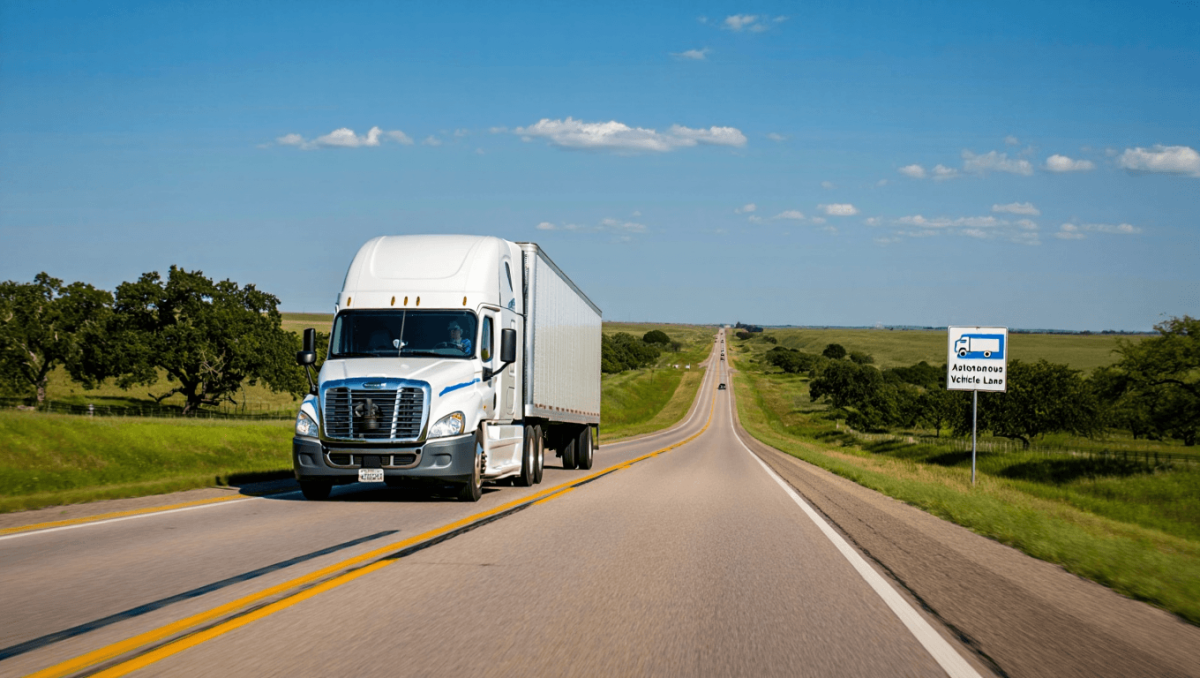
Oklahoma has widened the footprint for commercial autonomous trucks on its roads, extending a designated freight corridor that now covers more of the state’s highway network. The change, announced this week by state transportation officials and industry partners, promises faster, tech-driven logistics for shippers — and fresh questions about safety, workforce impacts and regulatory oversight.
The expansion allows more long-haul, highly automated trucks to operate on select stretches of interstate and state highways, moving from pilot tests toward routine freight service. Proponents say the shift could ease supply-chain bottlenecks and reduce driver shortages; critics point to gaps in oversight and the need for new public-safety safeguards.
What changed and where it matters
State authorities have added new segments to the previously limited autonomous route network. While the update is gradual, it opens key freight links that connect manufacturing and distribution centers with major interstates used by regional carriers.
Christa Pike released from hospital after failed execution, attorneys say
Dolly Parton tribute drives Madonna Inn crowds: steakhouse unveils limited menu
For firms coordinating shipments through Oklahoma, the immediate effect is practical: carriers can schedule more autonomous runs without seeking special one-off approvals, which lowers operational friction and shortens transit planning cycles.
- Route access: Additional highway miles are now approved for commercial autonomous operation, including some stretches that handle heavy truck volumes.
- Operational windows: Expanded time-of-day permissions for automated movements reduce idling and make overnight freight runs more viable.
- Regulatory framework: The state has updated permitting and reporting requirements to track automated vehicle activity more closely.
Safety, inspections and public oversight
Officials say enhanced monitoring and stricter reporting will accompany the expansion, but enforcement details remain a focal point for local agencies and safety advocates. The change places new demands on roadside inspection teams and emergency responders, who must adapt to technologies they encounter only sporadically today.
Among the practical questions: how will crash investigations handle vehicles driven by software, and what data-sharing rules will dictate access to vehicle logs after an incident? State regulators have signaled plans for more frequent compliance checks and stronger data requirements, but industry and advocacy groups are still pressing for clarity.
Labor and economic effects
The move comes as the trucking sector grapples with a persistent driver shortage and rising freight costs. Autonomous freight proponents argue that automation can fill gaps and stabilize delivery schedules, particularly on long interstate hauls.
However, labor representatives warn that widespread adoption could alter job inventories in distribution hubs and change the nature of truck-driving roles. Rather than displacing drivers overnight, experts suggest a phased transition: more remote supervision, new technician roles for vehicle operators, and expanded demand for maintenance staff with software and systems expertise.
Environmental and traffic implications
Autonomous trucks can influence fuel use and emissions through smoother acceleration and platooning — the practice of tightly grouping vehicles to reduce drag. Early trials reported fuel savings and modest emissions reductions, but the net environmental impact will depend on freight volumes, routing decisions and whether autonomous technology encourages additional truck trips.
Local road users may feel effects as well. Increased overnight autonomous operations could lower daytime congestion, yet shifting freight patterns might concentrate heavy-vehicle traffic along corridors not designed for sustained high loads.
What to watch next
- Data transparency: Will the state mandate public reporting on miles traveled, incidents and disengagements?
- Insurance and liability: How will carriers and insurers allocate responsibility when human oversight is reduced?
- Workforce transition: Are there training pipelines for technicians and remote operators?
- Local infrastructure: Will municipalities receive funding to reinforce pavement or update signage to support automation?
For now, Oklahoma’s expansion marks a notable step in the shift from pilot projects to operational deployment of automated freight on public roads. The immediate gains for logistics firms are clear — fewer permits to request and more predictable routing — but the broader consequences will hinge on policy follow-through: how regulators, insurers and local communities respond to a fast-moving technology that touches safety, jobs and the daily life of highways.