Show summary Hide summary
Oklahoma has tightened rules for moving livestock after confirmed cases of the New World screwworm emerged in neighboring states, prompting state and federal agencies to step up inspections, treatments and planning. The change matters now for ranchers and livestock transporters because it adds new paperwork and on-farm precautions aimed at stopping an insect that can seriously injure animals from gaining a foothold in the state.
Why officials are acting
Christa Pike released from hospital after failed execution, attorneys say
Dolly Parton tribute drives Madonna Inn crowds: steakhouse unveils limited menu
State and U.S. authorities say they have not detected the pest in Oklahoma, but recent detections across the border have raised alarms. According to federal data released in late June, investigators have logged a dozen cases across Texas and New Mexico — 11 in Texas and one in southeast New Mexico — several of which remained active as inspections continued.
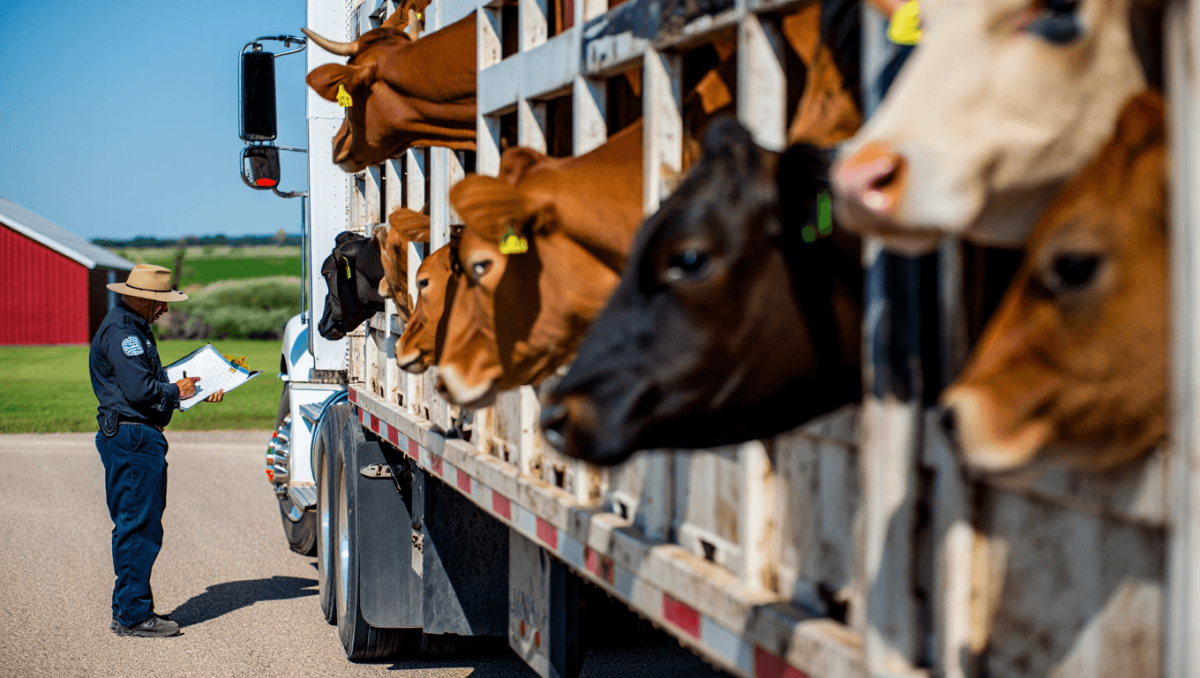
Oklahoma regulators moved quickly to limit the risk of introduction. New rules require animals coming from affected areas to be inspected, treated with an approved product that prevents infestation and cleared with a permit before entry. For zones close to confirmed outbreaks, the state shortened the window for a veterinary certificate from 30 days to five days.
How the controls work on the ground
Under the updated protocol, livestock leaving an infested area must be:
- Examined by an accredited veterinarian or a regulatory official;
- Given a preventive treatment effective against the screwworm;
- Issued a permit that is verified by state animal health officials before animals enter Oklahoma.
Oklahoma’s animal industry division is training additional field staff to perform inspections and monitor treatments, but officials acknowledge staffing could become strained if multiple outbreaks occur simultaneously. The state says it can request outside assistance through emergency mutual aid agreements if needed.
Containment tools and timeline
The primary biological control remains the Sterile Insect Technique (SIT), which prevents reproduction by releasing sterilized male flies. Current production includes a facility in Panama supplying roughly 100 million sterile flies weekly. Upgrades at a production site in southern Mexico aim to double that capacity, and a U.S. facility under construction at Moore Air Force Base in Texas is planned to come online by late 2027, targeting an additional 100 million sterile flies per week.
USDA leaders have also moved money toward response and research: about $105 million was awarded to 40 projects focused on traps, treatments, SIT improvements and readiness tools, as part of a roughly $1 billion federal response effort.
What this means for producers and consumers
For ranchers, the immediate implications are logistical and preventative. Inspect animals more frequently, delay or alter procedures that create wounds when possible (branding, castrating, dehorning), and follow new permitting and treatment steps when transporting animals from higher-risk areas.
Public health and food system officials stress that the infestation affects live animals and does not contaminate meat products. The pest does not spread like a contagious disease but requires female flies to lay eggs in open wounds; rapid detection and treatment of infested animals limit damage and recovery is common with timely care.
Local producers contacted by state officials say they do not anticipate major disruptions to beef supply or consumer prices, though vigilance on farms remains crucial.
Key facts at a glance
- Current detections: 12 cases reported in Texas and New Mexico (11 in Texas, 1 in New Mexico) as of June 21.
- State action: Inspections, mandatory preventive treatment, and permits required for livestock moving from infested zones.
- Certification change: Veterinary inspection certificates for nearby surveillance zones must be issued within five days rather than 30 days.
- Control method: Sterile Insect Technique — expanded production underway in Panama, Mexico and a planned U.S. facility by November 2027.
- Federal funding: ~$105 million awarded to 40 projects; part of a broader $1 billion response package.
- Seasonal note: Fly activity typically declines with cooler weather; officials expect reduced activity by mid-October.
What officials are advising now
State and federal veterinarians urge producers to regularly check animals for wounds, treat any injuries promptly, and follow permit and inspection procedures when moving livestock. Agencies are increasing the number of inspectors in high-risk areas and delivering treatments and supplies where outbreaks have been reported.
“We’re adapting our response as the situation evolves,” a state agriculture official said, stressing that plans can be adjusted as new information arrives. At the federal level, department leaders say they are coordinating supply of treatments and ramping up inspection capacity while supporting production of sterile flies to give managers more tools to fight the pest.
For now, the priority is early detection and strict adherence to movement and treatment rules to prevent localized cases from becoming widespread. Ranchers and transporters should monitor guidance from state animal health officials and the USDA before moving animals across state lines.