Show summary Hide summary
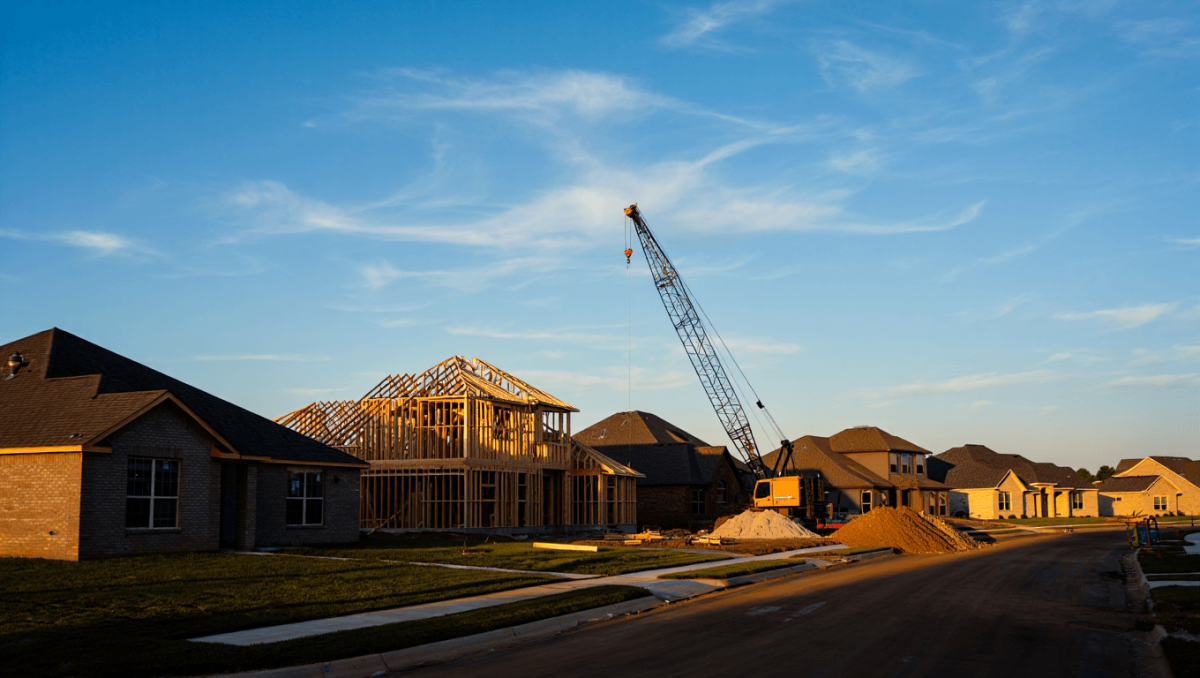
Several ZIP code areas in the Oklahoma City region have emerged this year as some of the fastest-growing neighborhoods in the United States, a shift that reflects changing housing preferences and regional economic momentum. The trend matters now because it is reshaping affordability, commuting patterns and local planning priorities across the metro area.
Why Oklahoma City is rising on national lists
Housing analysts point to a mix of factors that have pushed parts of Oklahoma City into national growth rankings: relatively low home prices compared with coastal metros, new job openings in energy and tech-adjacent sectors, and the ongoing influence of remote work that allows households to prioritize space and cost over proximity to major corporate centers.
Christa Pike released from hospital after failed execution, attorneys say
Dolly Parton tribute drives Madonna Inn crowds: steakhouse unveils limited menu
Developers have responded with a steady stream of new subdivisions and multifamily projects, while investors eye steady rental demand. At the same time, local leaders are balancing growth with concerns about neighborhood character and infrastructure.
Where growth is concentrated
Growth is not uniform across the metro. Rapid gains are concentrated in a few types of ZIP areas:
| ZIP-area type | Typical growth drivers | Who is affected most |
|---|---|---|
| Suburban fringe and master-planned communities | New single-family construction, larger lots, schools | Young families, first-time homebuyers |
| Inner-ring neighborhoods near downtown | Rehabbed housing stock, short commutes, nightlife | Professionals, renters, small-scale investors |
| Transit and employment corridors | Office expansions, retail reinvestment, improved road links | Commuters, service workers, property managers |
Practical implications for residents and buyers
Rising interest in these ZIP areas creates immediate, concrete effects:
- Affordability pressures: even modest price gains can push some neighborhoods out of reach for long-time residents.
- Rental demand increases: as buyers are priced out, local rental markets tighten and monthly rents climb.
- Infrastructure strain: schools, roads and utilities may lag behind rapid housing additions, prompting debate over public investment.
- Resale timing: homeowners in growing ZIP areas may see faster appreciation, but market timing and mortgage rates still matter.
Voices from the ground
Local planners describe a mix of optimism and caution. City officials say building permits and commercial interest suggest sustainable growth, but community groups are watching for signs of displacement in older neighborhoods.
For prospective buyers and renters, the message is practical: weigh long-term commute and amenity trade-offs, check school and zoning plans, and factor in potential tax and insurance changes tied to development.
What to watch next
Tracking three indicators will clarify whether the momentum continues:
- New housing permits and construction starts across the metro
- Major employer announcements or expansions in the region
- Short-term rental and vacancy trends that affect rental prices
As Oklahoma City’s ZIP areas climb national lists, the stakes are local. Policymakers, developers and residents now face decisions that will determine whether growth brings broad benefits or intensifies economic strain in the neighborhoods seeing the most rapid change.