Show summary Hide summary
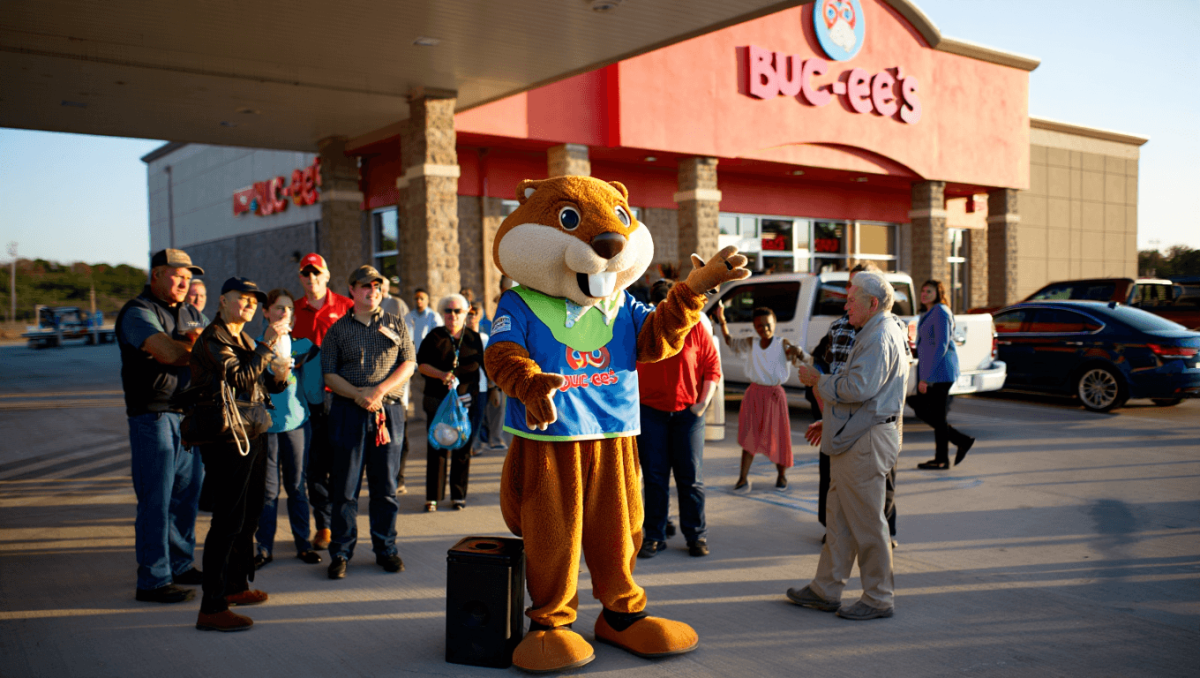
Interest in a Buc-ee’s location for Oklahoma City has not faded: city leaders say discussions with the Texas travel-stop chain remain in the early stages as of mid‑June 2026. The outcome matters for commuters, local businesses and city planners weighing traffic and economic impacts.
Where talks stand now
Officials confirm conversations are ongoing but stress no formal agreement exists. Kenton Tsoodle, president and CEO of the Alliance for Economic Development, told local reporters the company is still evaluating the market and conducting due diligence; he added that no final decision has been announced.
Christa Pike released from hospital after failed execution, attorneys say
Dolly Parton tribute drives Madonna Inn crowds: steakhouse unveils limited menu
There are no confirmed addresses or development plans on the table. Social posts earlier this year pointed to the stretch around I‑40 and Cimarron Road—between El Reno and Yukon—as a possible site, but city and state transportation authorities have not verified those claims.
What Buc-ee’s is and why it draws attention
Originating in Texas, Buc‑ee’s is known for large-format travel centers stocked with fuel, food, branded merchandise and regional specialties such as Beaver Nuggets and smoked brisket. The chain has also made national headlines for marketing its restroom standards.
The nearest store to Oklahoma City is in Denton, Texas, roughly 189 miles to the south; a local outpost would cut travel time for residents and could shift regional shopping and refueling patterns.
Why this matters to Oklahoma City
An approved Buc‑ee’s could bring steady employment and increased sales taxes, but it could also require traffic upgrades and careful zoning decisions.
State and municipal agencies typically weigh several technical issues before a large travel center is approved: access to highways, stormwater controls, utility capacity and the results of traffic studies. Those processes can stretch for months or longer depending on the site and public input.
- Economic impact: Potential job creation and new sales tax revenue for the city and county.
- Traffic and safety: Major highway access and turn lanes may be necessary to handle increased vehicle counts.
- Permitting timeline: Land use approvals, environmental reviews and construction permits are required before work can begin.
- Community reaction: Neighbors and local businesses may push for or against a large travel center during public hearings.
What to watch next
For residents tracking the proposal, a few concrete milestones will indicate progress or stall:
- Any announcement from Buc‑ee’s confirming a final site choice for Oklahoma City.
- Filing of rezoning or site-planning applications with the city planning department.
- Traffic impact studies submitted to the Oklahoma Department of Transportation or the city.
- Public notices for community meetings or permitting hearings.
Until company officials make a public commitment, city leaders say they will continue to engage with Buc‑ee’s representatives and follow the standard approval process. The conversation remains active but preliminary; interested residents should expect official updates only after formal filings or company statements.