Show summary Hide summary
Recently, a significant collection of Black Seminole artwork found a new institutional home in Oklahoma, a move that local leaders say will reshape how the community’s history is preserved and presented. The relocation brings attention to a longstanding but often overlooked cultural tradition, and carries immediate consequences for education, tourism and the local economy.
Why this matters now
The arrival of these pieces arrives amid renewed national interest in Indigenous and Afro-Indigenous histories. For Oklahoma — where many Black Seminole families were resettled in the 19th century — the transfer offers a rare chance to put community-created art at the center of public storytelling.
Christa Pike released from hospital after failed execution, attorneys say
Dolly Parton tribute drives Madonna Inn crowds: steakhouse unveils limited menu
What moved and what it represents
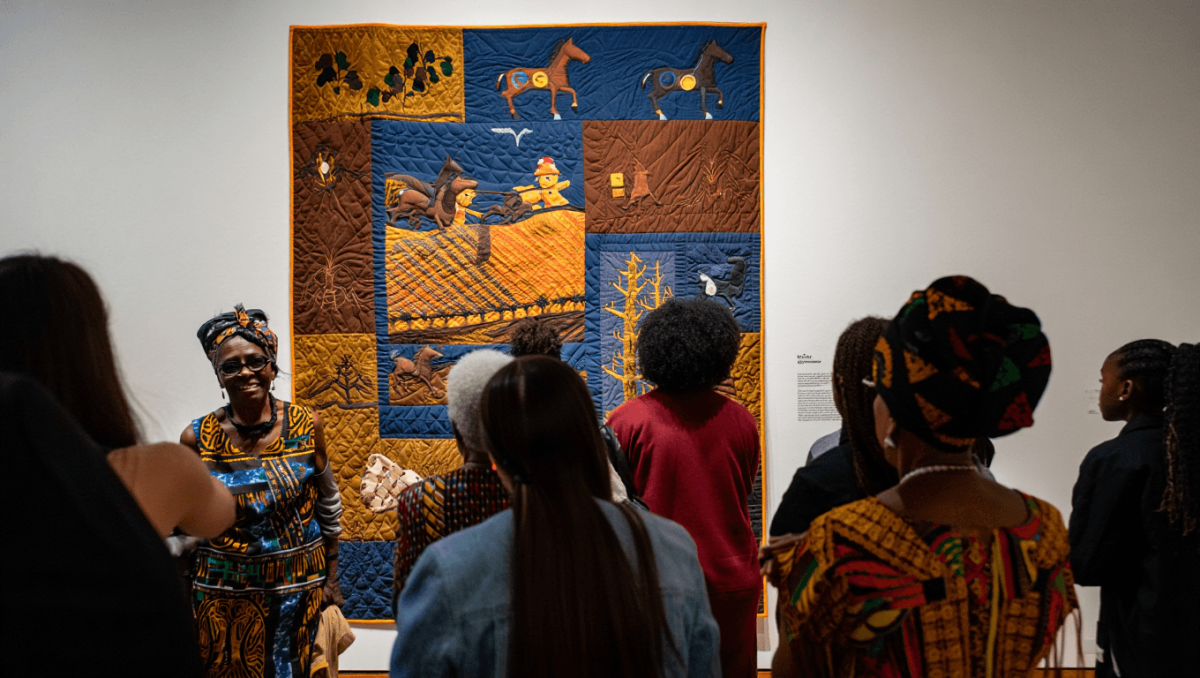
The collection includes textiles, beadwork, personal regalia and carved objects that reflect daily life, ceremony and identity. These works are not merely decorative; they act as tangible records of migration, resistance and cultural survival. Curators describe them as essential to understanding the blended Black and Seminole traditions that developed in Florida and later in Texas and Oklahoma.
Those items often combine motifs and techniques passed down across generations, linking oral histories to physical craft. Preserving them in a public setting allows scholars and community members to study materials, methods and meanings that are otherwise dispersed among private collections.
Economic effects and community benefits
The move has measurable implications beyond heritage preservation. Cultural institutions that invest in targeted exhibits tend to draw new visitors, expand programming, and create jobs in exhibition, conservation and education.
- Tourism boost: Special exhibitions and permanent galleries attract regional visitors and can extend stays for cultural travelers.
- Educational programming: Schools and universities gain direct access to primary materials for curriculum and research.
- Local artisans: Increased visibility can lead to commissions, workshops and markets that support contemporary Black Seminole makers.
- Conservation investment: Proper care requires specialized staff and materials, driving funding and training opportunities.
City officials and cultural managers expect ripple effects in hospitality and retail, particularly if programming is paired with festivals, talks and hands-on demonstrations. Those secondary benefits often translate into small-business revenue in nearby neighborhoods.
Questions of stewardship and voice
Relocating sacred or community-owned items raises important governance questions. Who decides how objects are displayed? How are stories framed? Museum professionals and tribal representatives stress that stewardship must involve the communities represented.
For many advocates, the priority is not just preservation but active collaboration: exhibitions that center community knowledge, shared decision-making about loans and conservation, and pathways for descendants to access and care for personal items.
What comes next
Leaders in Oklahoma say the next phase will focus on creating interpretive materials and outreach campaigns that connect the collection to living community practices. Plans under discussion include rotating exhibits, artist residencies, and school partnerships designed to deepen public understanding.
Longer term, the success of this move will be measured by how effectively it balances public access with cultural stewardship, and whether it creates sustainable opportunities for Black Seminole artists and educators.
For readers, the development matters because it reframes a local story with national resonance: the ways museums acquire, present and partner around material culture shape public memory — and, increasingly, local economies.