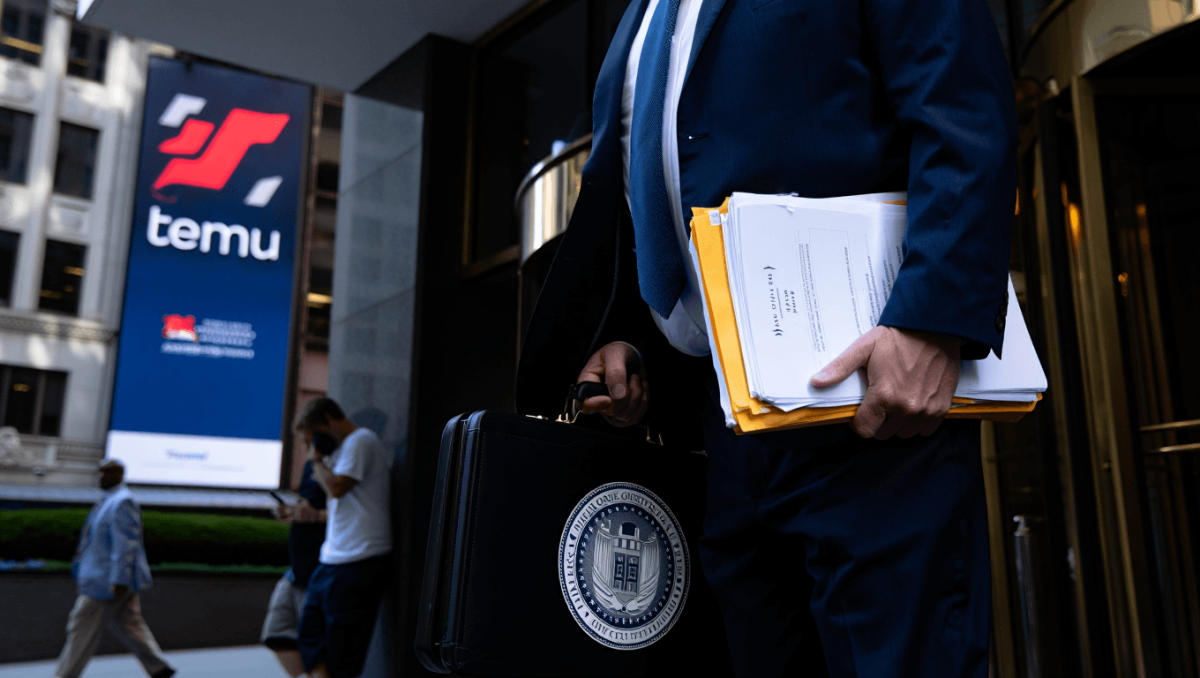
Oklahoma has filed a lawsuit against Temu, accusing the fast-growing online marketplace of selling unlicensed merchandise and using business practices that mislead shoppers. The move escalates scrutiny of low-cost cross-border e-commerce platforms and raises fresh questions about consumer safety, local retailers and state enforcement powers.
The complaint, lodged in state court this week by the Oklahoma Attorney General, states that Temu allowed third-party sellers to list items without proper licensing and promoted those listings through allegedly deceptive tactics. Authorities say those practices harmed Oklahoma consumers and undercut lawful businesses operating in the state.
Oklahoma’s case centers on three broad claims: violations of state consumer protection laws, distribution of unlicensed goods, and use of deceptive practices to attract buyers. The suit asks the court for injunctive relief to stop the conduct, restitution for affected shoppers and civil penalties.
Christa Pike released from hospital after failed execution, attorneys say
Dolly Parton tribute drives Madonna Inn crowds: steakhouse unveils limited menu
The allegations mirror complaints regulators and some retailers have made about ultra-low-cost marketplaces that connect U.S. buyers with overseas suppliers. Officials argue that when platforms fail to screen sellers or verify product authenticity, the risks extend beyond pricing — encompassing safety, warranty and intellectual property concerns.
- What Oklahoma alleges: Unlicensed or unauthorized products listed and sold on the site; marketing and pricing practices that mislead shoppers; inadequate oversight of third-party sellers.
- Relief sought: Temporary and permanent injunctions, consumer restitution, civil fines and court-ordered changes to platform practices.
- Potential consequences: Broader state and multistate enforcement, pressure on the platform to strengthen seller verification, and increased liability for marketplaces that host third-party vendors.
For consumers, the immediate practical issues are straightforward: if allegations are upheld, buyers could face difficulties with returns, warranties and product safety claims tied to sales made through the site. For local retailers, the suit frames a longer-term policy debate about competitive fairness when platforms serve as distribution channels for many small, often foreign, suppliers.
The case also tests how far state consumer-protection laws reach in policing digital marketplaces. Courts will weigh whether the platform’s responsibilities include policing every seller for proper licensing and accurate listings, or whether those responsibilities rest primarily with the individual vendors.
Legal experts say this kind of litigation can produce quick procedural changes even before a final ruling — for example, temporary restraining orders, negotiated settlements that require operational reforms, or collaborative agreements on verification and takedown procedures.
For now, the litigation adds to growing regulatory attention on cross-border e-commerce. Officials in other states have recently examined similar concerns, and federal agencies have also signaled interest in how online marketplaces handle product safety, counterfeit goods and fair-dealing standards.
What to watch next: court filings that detail the evidence Oklahoma will present; any immediate orders limiting the platform’s operations in the state; and whether other states join the effort or file parallel actions. Consumers and small businesses should review their purchase and selling practices while monitoring official updates from state enforcement agencies.