Show summary Hide summary
Oklahoma City’s October 2026 VeloCity issue spotlights a flurry of developments—from manufacturing-led investment to a growing film pipeline and a contentious local sales tax vote—that together will shape jobs, public services and business attraction in the months ahead. These stories matter now because they tie immediate construction and production activity to longer-term economic strategy and a community decision voters will make on Nov. 3.
- Manufacturing remains a top growth engine, driving hiring and supplier demand across the region.
- Local firms are supplying materials and expertise for the new Continental Coliseum, strengthening Oklahoma City’s construction ecosystem.
- The Chamber convenes economists at the upcoming State of the Economy event to assess near-term risks and opportunities.
- Retail development conversations at ICSC Local Oklahoma highlight higher costs and a shift toward dining, entertainment and experience-driven destinations.
- Oklahoma County voters will weigh a 0.40% sales tax proposal intended to fund detention upgrades, diversion programs and mental health services.
- Film production activity is accelerating, expanding work for crews, vendors and creative professionals across the metro.
VeloCity October 2026: major changes and what they mean for riders today
Brent Swadley sentencing: attorney general seeks 10-year prison term
Manufacturing’s central role
Greater Oklahoma City’s business community is leaning on factory output as a foundation for growth. In Leadership Notes, Greater Oklahoma City Chamber CEO Christy Gillenwater underscores how a robust manufacturing base attracts capital and creates steady employment across multiple skill levels.
Manufacturers not only supply finished products but also support a network of smaller suppliers and logistics providers — an ecosystem that increases local economic resilience as larger projects come online.
Building the Continental Coliseum — locally
Construction on the new Continental Coliseum is tapping regional expertise. Local metal fabricators, concrete suppliers and construction contractors are playing visible roles as the venue rises.
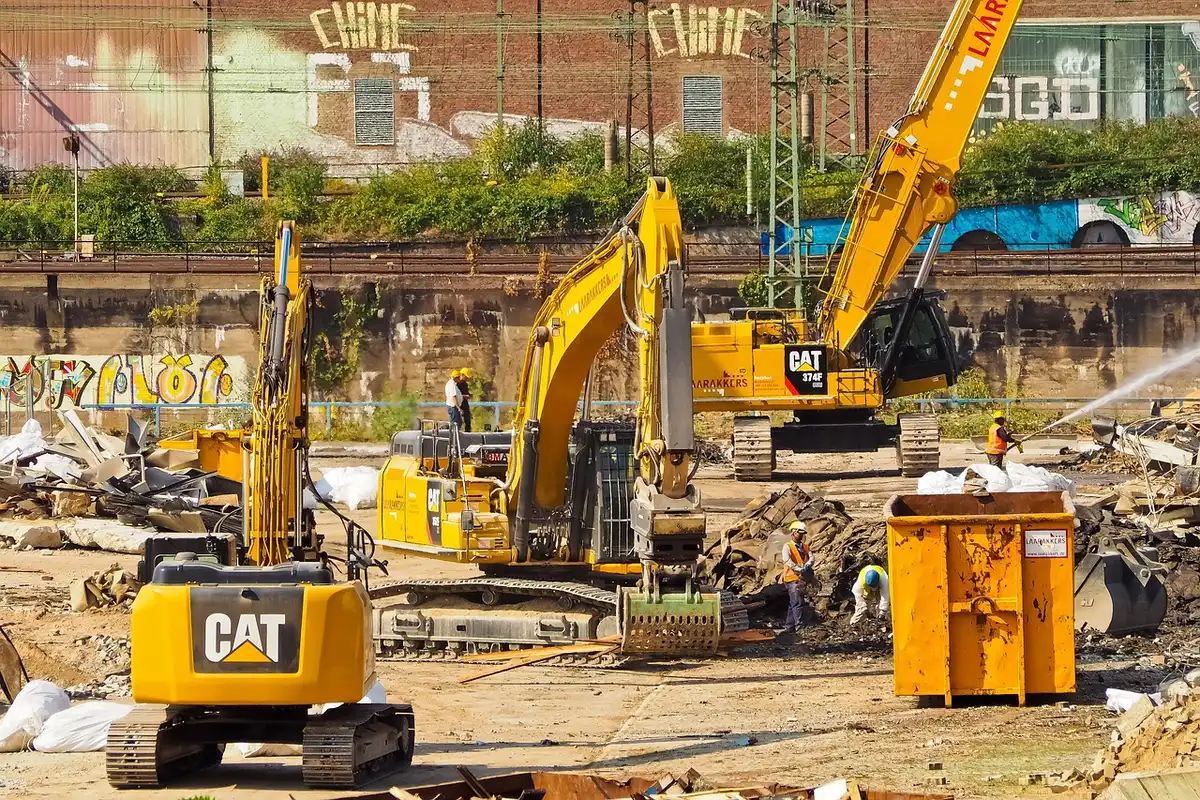
That on-the-ground participation keeps a greater portion of project spending inside the regional economy and creates near-term hiring boosts in construction trades and specialized manufacturing.
What to expect at State of the Economy
The Chamber’s State of the Economy gathering will assemble public- and private-sector analysts to map trends likely to affect Oklahoma City — inflation trajectories, labor market tightness, and sector-specific demand. Attendees will be looking for signals that could influence corporate location and expansion decisions into 2027.
Retail is changing: takeaways from ICSC Local Oklahoma
Industry leaders at ICSC flagged two persistent themes: rising development costs and a pivot toward experiential retail. Restaurants, entertainment venues and mixed-use activations are increasingly central to developers’ plans.
Smaller storefronts and service-oriented businesses are feeling the squeeze from construction and operational expenses, which could reshape neighborhood retail mixes over time.
What the Nov. 3 sales tax vote involves
Oklahoma County will consider a proposed 0.40% sales tax aimed at financing detention facility upgrades, expanding diversion programs and supporting mental health services tied to the justice system. If approved, the levy would provide a dedicated revenue stream for infrastructure and community-based alternatives to incarceration.
The proposal carries both fiscal and civic implications: proponents emphasize improved public safety and treatment capacity, while opponents raise questions about long-term funding commitments and program effectiveness. The Chamber has signaled a position on the measure; voters will ultimately decide its fate.
Film production momentum
Projects lining up in Oklahoma City are widening opportunities for local crews, caterers, equipment renters and post-production firms. As more productions choose the market, ancillary businesses that support shoots see steady demand — a multiplier effect that can seed longer-term industry capability.
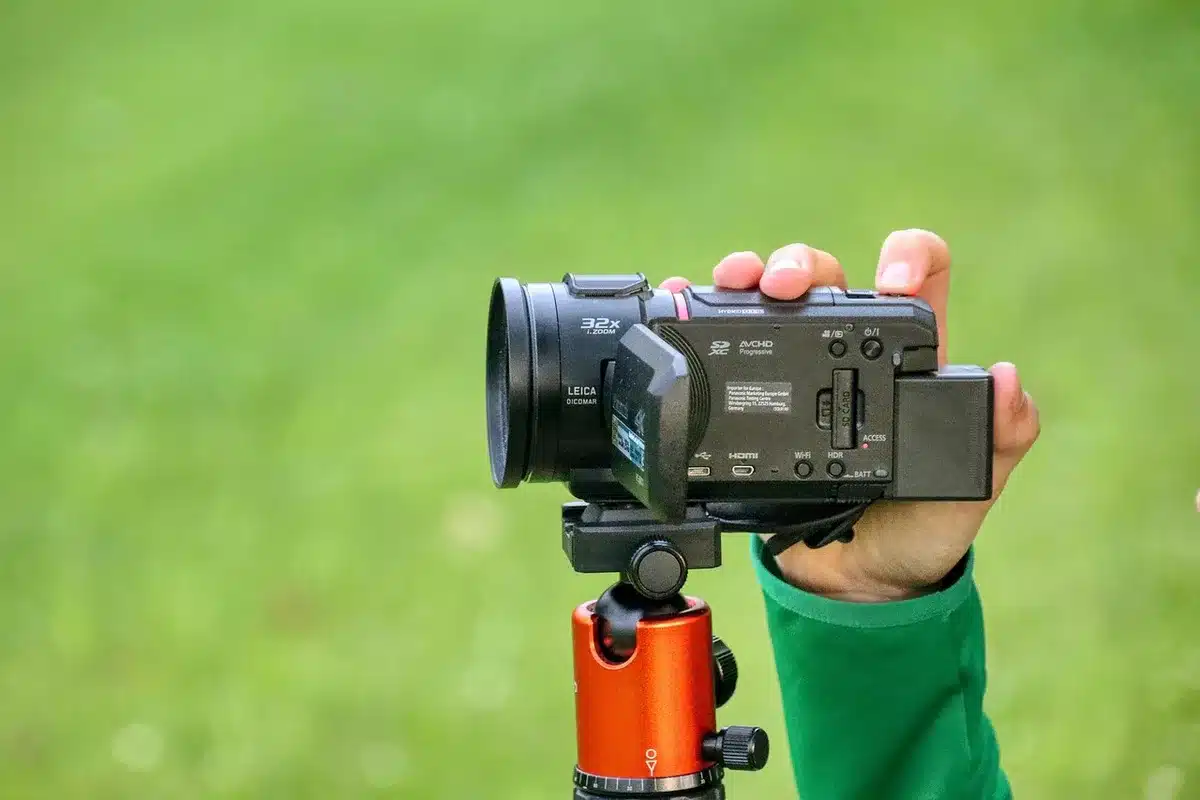
Building a sustainable film economy requires repeat business and infrastructure investment; current activity suggests the region is making measurable progress toward that goal.
Chamber’s Western Strategy: targeted outreach
Through its Western Strategy, the Chamber is packaging the region’s competitive advantages to attract companies and investors from western markets. The effort combines relationship-building, targeted marketing and on-the-ground prospecting to convert interest into relocations and expansions.
Officials say the approach seeks both immediate wins and longer-term shifts in perception about Greater Oklahoma City as a business destination.
The stories above and additional reporting appear in the October 2026 edition of VeloCity, the monthly publication of the Greater Oklahoma City Chamber.