Show summary Hide summary
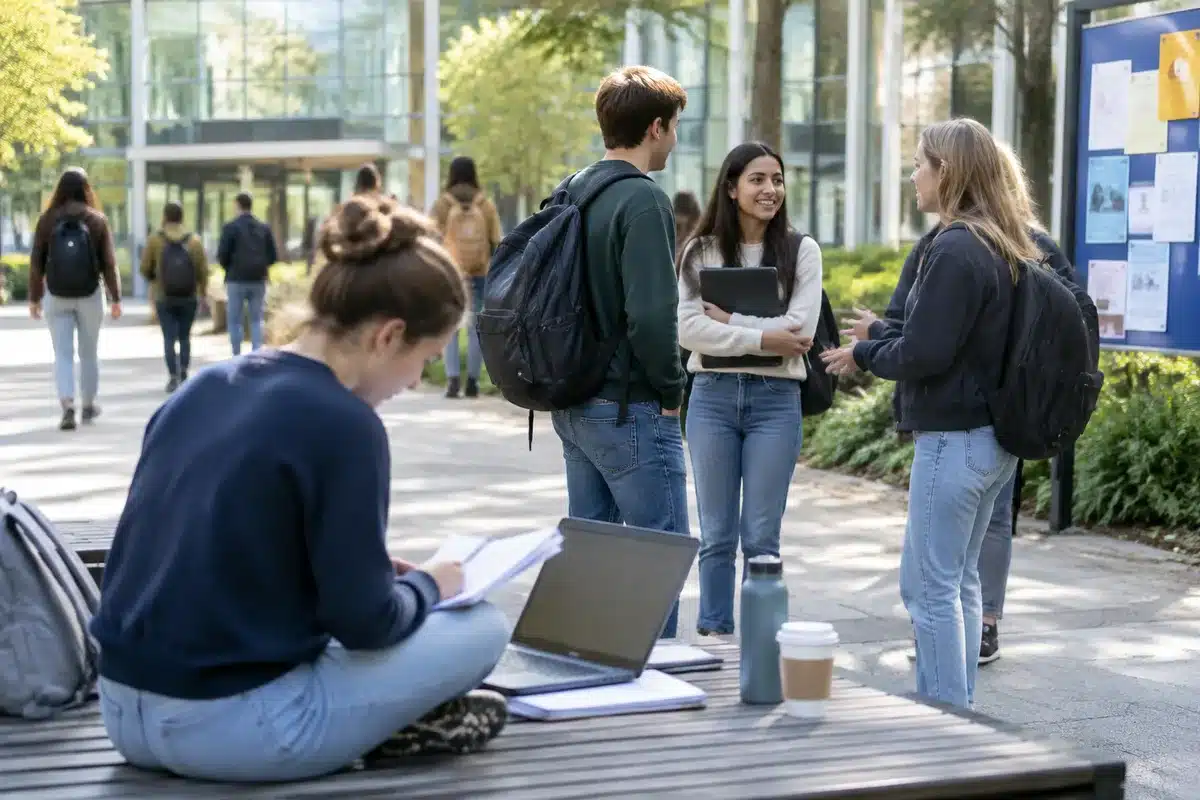
After a two-year break, Cal Poly’s annual Social Justice Teach-In returned to campus on May 28, drawing speakers and students into a daylong conversation about free expression, censorship and activism. The event — organized by the Students for Justice in Palestine — reopened debates that university officials and student organizers have been disputing this year, with consequences for how the campus handles contentious topics.
The teach-in, held in the Chumash Auditorium from 9 a.m. to 4 p.m., brought together faculty and students to discuss a range of issues, from immigration policy to the removal of library materials — and reignited controversy over a postponed, Palestine-centered program that university leaders previously questioned.
Why the postponement matters now
Organizers say the 2024 version of the teach-in was pushed back and later rescheduled after administrators raised concerns about a track that focused on Palestine. University spokespeople pointed reporters to a statement from the campus office overseeing culture and institutional issues, which said additional review was needed before the event could proceed as planned.
Christa Pike released from hospital after failed execution, attorneys say
Dolly Parton tribute drives Madonna Inn crowds: steakhouse unveils limited menu

Students and some faculty presented that decision as part of a broader pattern of restrictions on certain campus conversations. History professor Jackson, who helped revive the teach-in this year, warned participants that institutional limits on speech about Palestine risk creating a chilling effect across campus.
Voices from the teach-in
Iyad Jamaly, co-president of Students for Justice in Palestine, said the group wants the teach-in to be a forum for sustained discussion, not a sideline. Jamaly argued the university’s concern about ensuring “balanced” representation was applied inconsistently across the event’s planned tracks, and that demanding opposing views for every session would skew the purpose of panels addressing systemic harms.
“When an event is meant to examine inequality, forcing a counterpoint for the sake of balance can undermine the point of the conversation,” Jamaly told attendees.
Cal Poly media relations emphasized that the teach-in was student-organized, not a university-run program.
Academic materials and campus resources under scrutiny
Librarian Kyle Tanaka and political science student Lucia Moratinos-Chu led a session that examined the university’s removal of research guides from public access. Tanaka said nearly two dozen guides — many tied to diversity, equity and inclusion topics — were taken offline in recent months, a move he described as troubling for scholars and students who rely on those resources.

Attendees said the teach-in filled a gap in campus dialogue, offering a platform for conversations they felt were not otherwise visible in classrooms or administrative forums.
“This event showed there is a strong interest in these topics,” said sophomore Sam Wong. “People want to keep talking and learning.”
Immigration, enforcement and historical parallels
Political science professor Jared Van Ramshorst used his session, titled “U.S. War on Immigrants,” to map how federal immigration agencies developed and to explain practical differences between Border Patrol and ICE — distinctions he said matter when discussing policy and enforcement trends.
Van Ramshorst argued that current rhetoric and practices echo earlier exclusionary policies and called for a broader public conversation about how politics, media coverage and civic literacy shape immigration debates.
“Fixing this will require more than partisan shifts,” he said, urging attendees to consider deeper changes in how the country understands immigration and governance.
Key takeaways from the day
- Event focus: Sessions covered academic freedom, library access, immigration policy and student-led activism.
- Administrative action: University officials reviewed and postponed aspects of the teach-in after concerns about program design and representation.
- Student response: Organizers framed the teach-in as a space students must create when they feel institutional channels are closed.
- Broader stakes: The dispute touches on how campuses balance free expression, programming oversight and the treatment of sensitive international issues.
Organizers and attendees expressed optimism the teach-in will return next year. Jamaly said he expects students will continue organizing dialogue, regardless of administrative hurdles, and that sustaining these conversations is vital for campus life.
As universities nationwide navigate similar tensions over programming and speech, Cal Poly’s teach-in highlights the practical and symbolic questions institutions face when deciding how to host contentious topics — and who gets to set the terms of those conversations.