Show summary Hide summary
The U.S. Supreme Court heard arguments on April 1, 2026, in Trump v. Barbara, a case that could narrow who automatically receives American citizenship at birth. For students at Cal Poly, the potential change is not abstract legal debate — it threatens family stability and reshapes campus belonging for many first- and second-generation students.
The controversy centers on an executive order from the Trump administration that seeks to reinterpret the citizenship clause of the 14th Amendment. Historically understood to grant citizenship to nearly everyone born on U.S. soil, the order would exclude children born here if both parents are in the country without permanent legal status.
At the heart of the legal fight is the phrase “subject to the jurisdiction thereof.” The administration argues that this language disqualifies children of parents who lack full legal standing. Critics, including scholars who follow border and immigration law, counter that the phrase has long been read to include anyone living under U.S. laws — civil and criminal alike — and that decades of case law and legislation support that reading.
Christa Pike released from hospital after failed execution, attorneys say
Dolly Parton tribute drives Madonna Inn crowds: steakhouse unveils limited menu
Landmark rulings and statutes underpin the longstanding interpretation. In the late 19th century, the Supreme Court ruled in favor of broad birthright citizenship, and mid-20th-century federal immigration law later reinforced that position, giving legal force to what had become accepted practice.
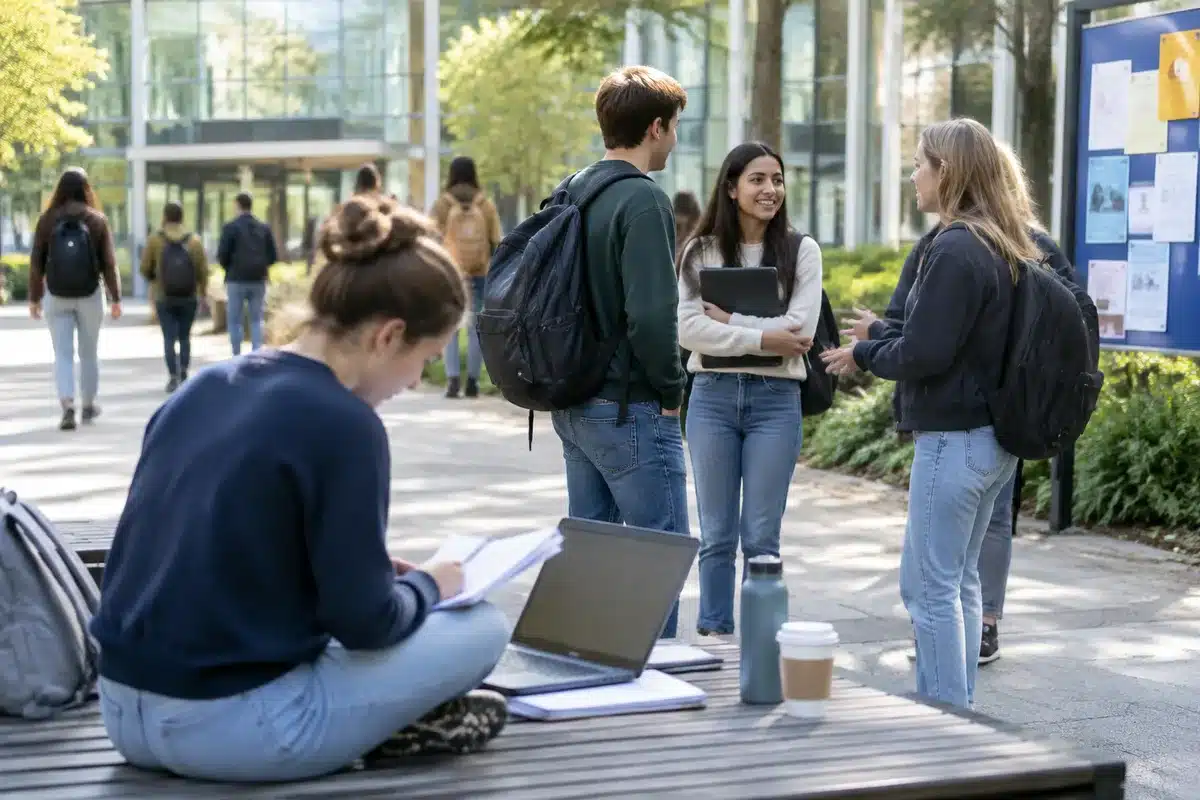
Why students at Cal Poly are watching
For many Hispanic and immigrant-background students, the case has reopened anxieties they thought were settled. Several students said the legal challenge feels like a direct question about who is welcome on campus and who can rely on basic protections.
Third-year political science major Lizett Acosta Mendoza described a fresh layer of uncertainty: what had been a birthright she took for granted now feels precarious. She said the debate has shifted family conversations and made everyday assumptions — like the security of a U.S. birth certificate — feel fragile.
That anxiety extends beyond individual status to community effects. Mendoza pointed to teachers and schoolchildren in her family circle whose parents lack permanent status; abrupt moves and unexplained absences are a constant worry for educators who try to support those students.
- Immediate legal stakes: A ruling for the administration would reinterpret over a century of precedent on birthright citizenship.
- Family consequences: Questions about deportation, retroactive effects, and access to public benefits would rise if citizenship definitions change.
- Campus climate: Students report heightened feelings of exclusion and increased fear of contact with authorities.
- Education impact: Teachers with undocumented students may face more churn and trauma in classrooms.
Surveillance and exclusion
On campus, technological measures such as Flock cameras — security systems some students describe as contributing to surveillance — have intensified worries about trust and belonging. For students who felt Cal Poly should be moving toward being a Hispanic-Serving Institution, critics say the university has not done enough to publicly reassure those who feel targeted.
“It’s hard to focus on studying when you’re wondering whether your family’s safety could change with a court decision,” one student told Mustang News, capturing a sentiment shared across several conversations.
Fear and everyday decisions
Fear is not only rhetorical. Izzy Perez Pedraza, active in campus student groups, said routine activities like traveling for conferences suddenly carry added risk in the eyes of family members. The possibility that birthright protections could be rescinded, he said, makes long-term planning — including family formation — feel risky for immigrant communities.
Other students hope the Supreme Court will settle the issue quickly and firmly. “Birthright citizenship is written into the Constitution,” one ethnic-studies student said, urging the Court to resolve uncertainty rather than leave it as a recurring political flashpoint.
Legal observers expect the justices to issue a decision before July, according to national reporting; whichever way the Court rules, the result will reshape federal practice and public debate for years.
Cal Poly’s public statement acknowledged the anxiety felt across campus. University officials said they are monitoring developments and reiterated their intention to maintain a safe learning environment, while pointing students and staff to legal and mental-health resources available on campus.
Whatever the ruling, the case has already had an effect beyond the courtroom: it has reopened conversations about citizenship, community belonging, and who is protected by the Constitution — questions that students, teachers and families at Cal Poly say they will be living with regardless of the outcome.