Show summary Hide summary
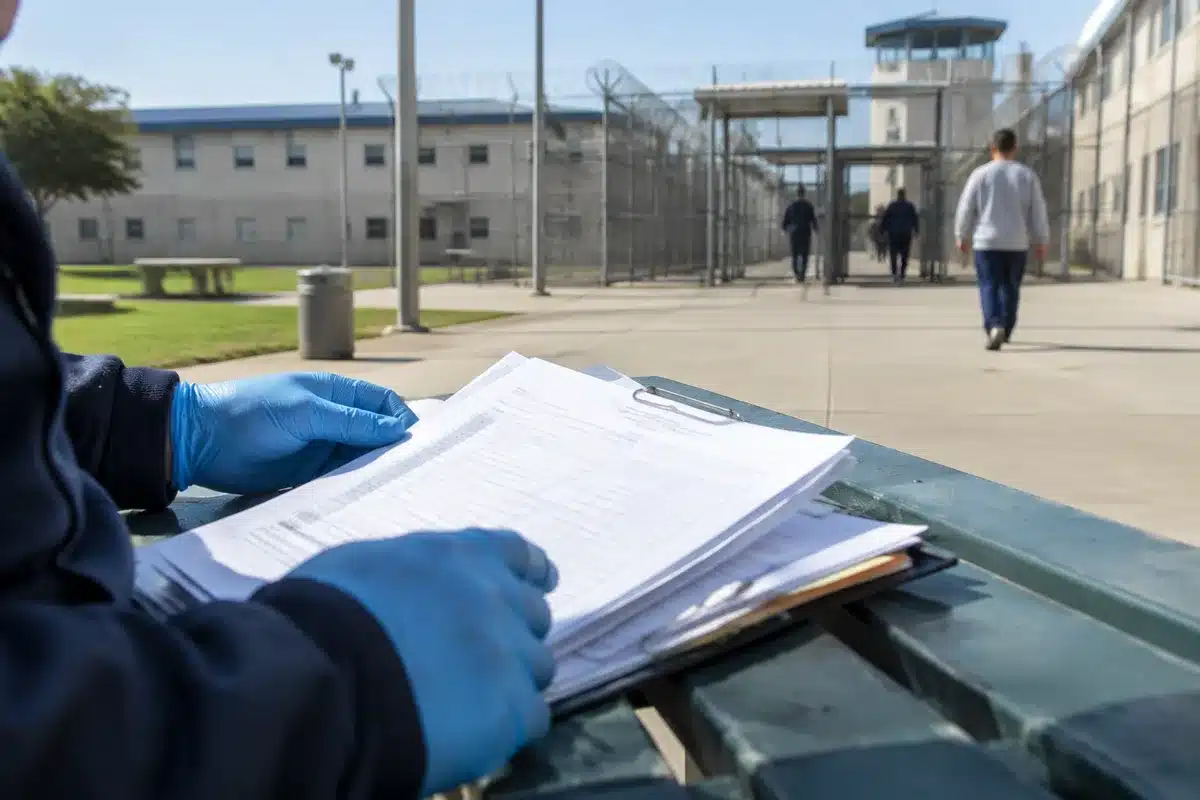
Cal Poly’s planned expansion of campus housing will be partly furnished by items made inside California state prisons, records show — a decision that raises fresh questions about labor, pay and public procurement as new dormitories open in 2025–26. The arrangement puts the long-running debate over prison work programs and their role in higher education back into the spotlight at a moment when thousands of new campus beds are coming online.
What the records reveal
Internal purchasing documents reviewed by Mustang News show Cal Poly awarded a roughly $3.3 million contract to the state prison work agency to supply and install furniture for multiple housing projects. The largest early shipments are scheduled for summer 2025 and summer 2026, timed to furnish renovated and newly built residence halls before students move in.
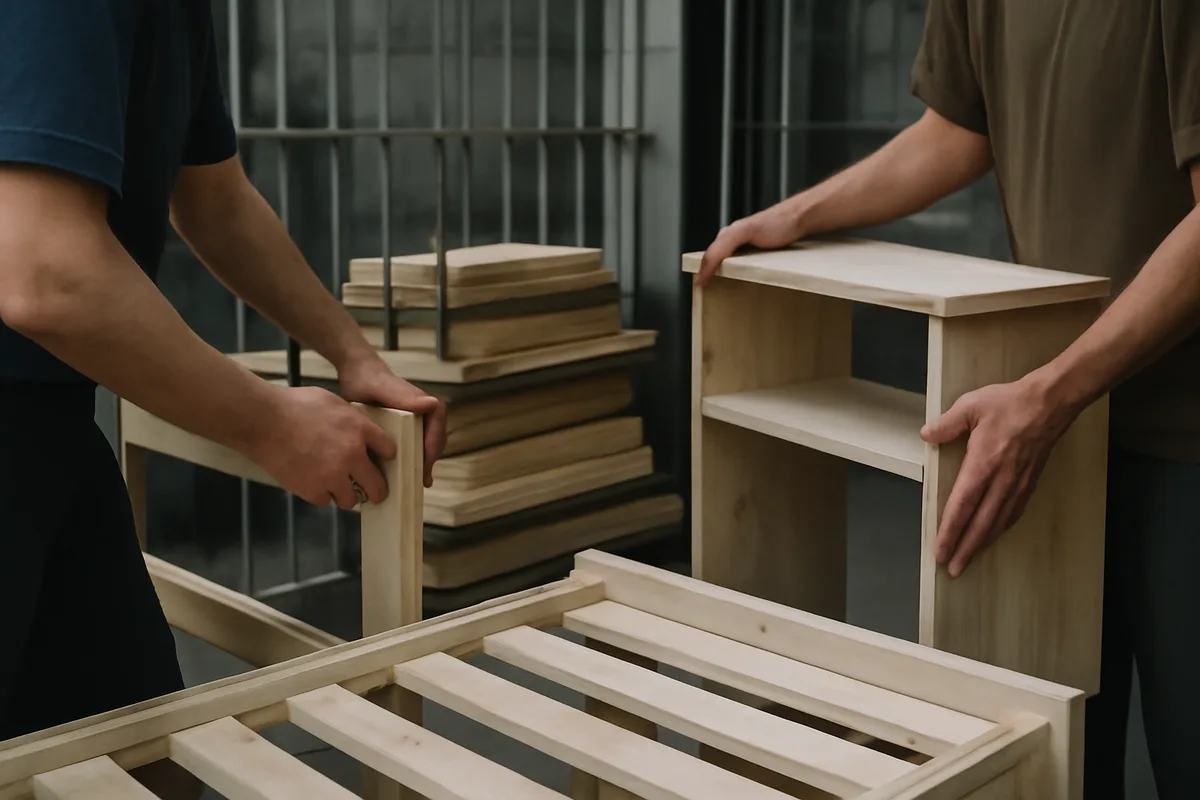
Under the agreement the prison program will produce bedroom and common-area items — beds, wardrobes, desks and seating — for hundreds of units as the university increases its housing capacity. Cal Poly’s long-range plan calls for as many as 4,000 additional beds over the next decade.
Christa Pike released from hospital after failed execution, attorneys say
Dolly Parton tribute drives Madonna Inn crowds: steakhouse unveils limited menu
| Project / Delivery | Furniture sets | Contract value | Estimated per-set cost | Target delivery |
|---|---|---|---|---|
| PCV complex (renovation) | 250 | $3.3 million | $4,000–$5,500 | Summer 2025 |
| “Building A” – new construction | 427 | $4,000–$5,500 | Summer 2026 |
Who’s building the beds and desks?
The supplier is the state-run prison employment program commonly known by its acronym, CALCTRA. The agency runs manufacturing and construction operations inside several correctional facilities and prioritizes sales to state entities. Because purchases between state agencies are tax-exempt, CALCTRA is often considered first under California procurement rules.
CALCTRA describes its work as vocational training meant to reduce recidivism and prepare incarcerated people for jobs after release. Officials say the output is durable and cost-effective, which is why the university selected the vendor from the state’s approved list.
Pay, conditions and competing assessments
Current pay rates for CALCTRA participants are low by general labor-market standards: wage categories reviewed in the documents range roughly from $0.50 to $1.15 an hour, with most job classifications under $1 an hour.

Advocates and some incarcerated workers argue that those rates, combined with the way assignments are administered, undermine the agency’s rehabilitative aims. A 2011 state audit previously questioned how CALCTRA calculated savings tied to reduced reoffending, and more recent reporting and worker accounts describe overcrowded waitlists for jobs, routine disciplinary pressure and restricted ability to decline assignments.
By contrast, a UC Irvine study commissioned by CALCTRA after a 2019 audit found lower recidivism among participants versus non-participants. The state agency leans on such research to defend the program’s role in job training.
Voices on both sides
Former incarcerated workers recount why many take prison jobs despite the pay: work can be a path to earlier parole consideration, provides daily structure and creates modest savings that can be spent in commissaries or set aside for life after incarceration. Those practical incentives make the positions highly sought after, they say.

Legal advocates dispute whether participation is truly voluntary. Jacob Hutt, senior staff attorney at the Prison Law Office, told Mustang News that connection between work participation, disciplinary consequences and parole eligibility limits meaningful choice. “If refusal carries penalties and job slots are scarce, the element of voluntariness is essentially hollow,” he said.
Scholars who study prison activism note a deeper institutional tension: using incarcerated labor to meet state needs can create dependency on a captive workforce even when that reliance clashes with stated rehabilitative goals. “Programs can be beneficial for individuals, but we must decide how much we, as institutions, should depend on them,” an academic at Cal Poly said.
Cal Poly and agency responses
Cal Poly confirmed it has purchased furniture from the prison program for years and that the vendor was chosen for product durability and compliance with the CSU approved-supplier list. The university framed the sourcing as routine procurement among state entities.
CALCTRA’s deputy director of external affairs responded to criticism by insisting the workshops are voluntary, focused on training, and aimed at helping participants build careers after release. The agency also noted it primarily provides goods and services to government customers.
Student reactions and local context
Reactions on campus were mixed when students learned their new dorm furniture will be produced through prison labor. Some said the practice conflicts with the values they associate with the university and called for greater transparency in procurement. Others emphasized the importance of knowing more about working conditions and pay before forming a judgment.
Why this matters now
The immediate controversy is practical: thousands of beds and hundreds of furniture sets are being commissioned now and will be delivered to campus within the next two years. That creates pressure for the university and state officials to answer questions about labor practices, compensation and accountability.
- Near-term impact: Furniture shipments slated for summer 2025 and 2026 will outfit renovated and new residence halls.
- Policy implications: State procurement rules favor CALCTRA, but critics argue those rules deserve reevaluation if wages and working conditions fall short.
- Public interest: The case touches on broader debates about criminal justice, taxpayer savings and the ethics of using incarcerated labor for state projects.
As Cal Poly moves forward with construction, activists, legal advocates and some students say they will press for clearer information about the terms of work inside prisons and consider whether procurement practices need reform. The university and the prison agency maintain the work is both lawful and beneficial; the coming deliveries will test whether public expectations align with how the state runs its labor programs.