Show summary Hide summary
Cal Poly is weighing a controversial plan to turn nearly 40 acres of its West Campus agricultural land into a hotel conference center, senior housing and student residences — a proposal that students say threatens core hands-on learning spaces and some of the campus’s most fertile soil. A formal decision is expected this fall, making this debate immediately relevant for students, faculty and alumni who use the land for instruction and research.
The real estate firm JLL drew up the concept for the university, which would occupy areas along Highland Drive, including the campus lemon grove and adjacent plots used extensively by the College of Agriculture, Food and Environmental Sciences. University leaders say the project could generate new revenue and provide living and training space for students and staff, but many agriculture students and instructors warn it would erode the program’s practical training capacity.
University President Jeffrey Armstrong has framed the proposal as potentially compatible with Cal Poly’s learning mission, but has not made any final commitments. Armstrong told student representatives earlier this year that no binding choice would be made during the summer, and that the administration plans additional campus and alumni engagement before a decision in the fall.
Christa Pike released from hospital after failed execution, attorneys say
Dolly Parton tribute drives Madonna Inn crowds: steakhouse unveils limited menu
Students and faculty raise practical concerns
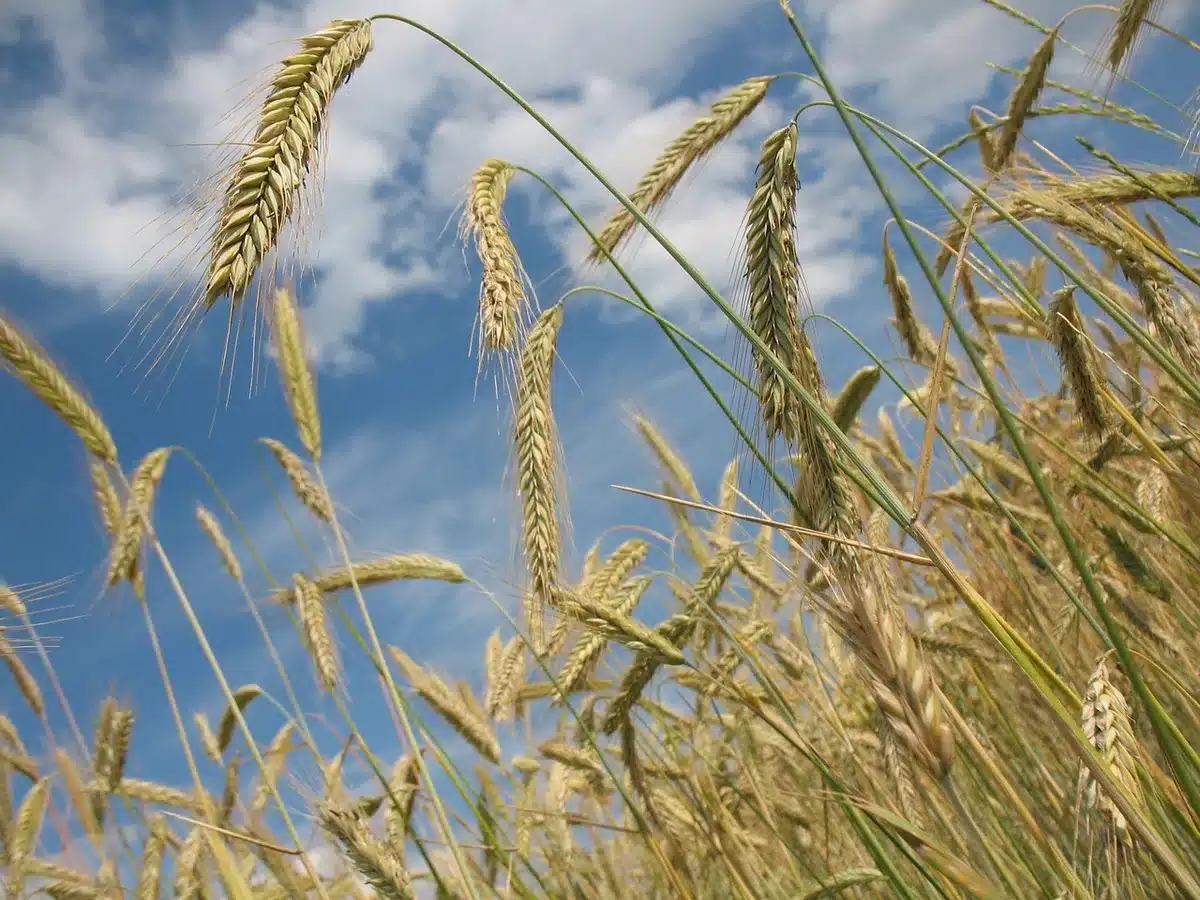
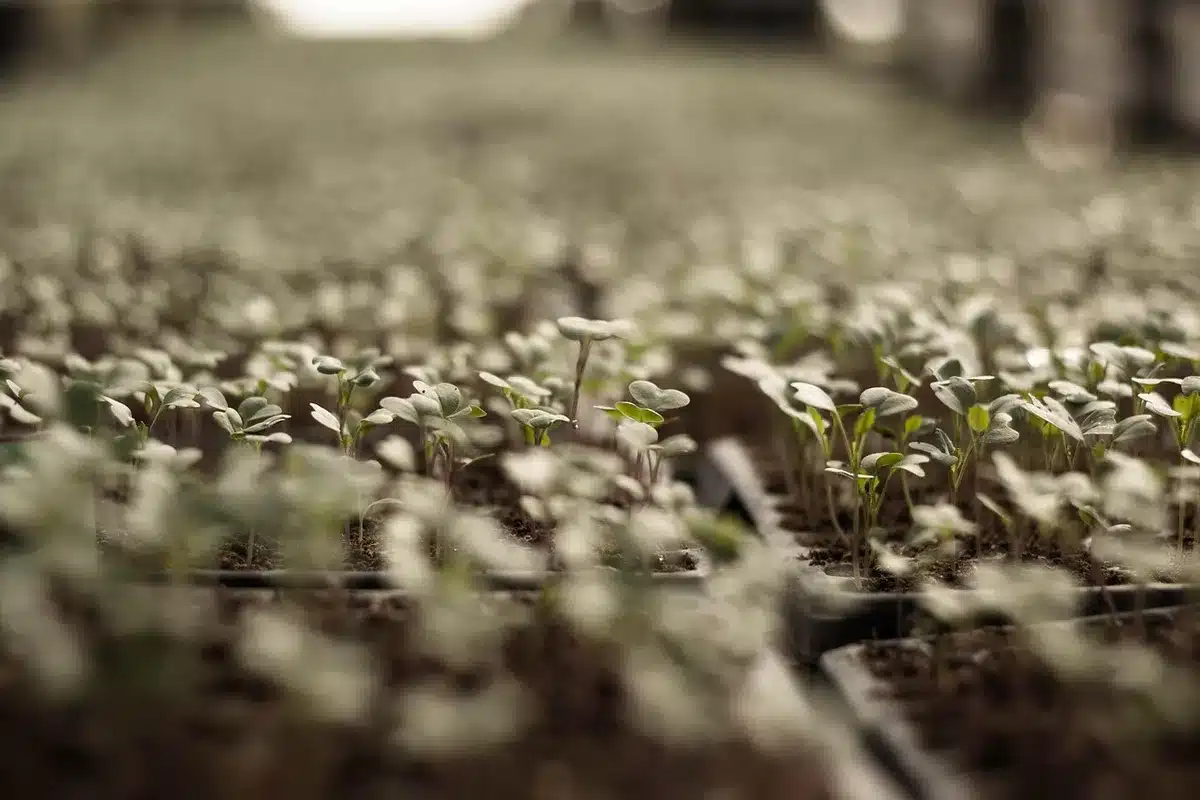
For many agriculture majors, the West Campus is more than open ground — it is where classroom lessons are turned into real-world skills. Students point to irrigation projects, crop management labs and dairy-related exercises that depend on the available fields.

Student leaders have pressed the administration to preserve those opportunities. Representatives say they drafted a formal resolution opposing non-agricultural development on West Campus and organized collective action across campus clubs to highlight the potential losses.
Further pushback came through letters: student club leaders and agriculture organization representatives reportedly sent about 50 letters to the Cal State Chancellor’s Office describing how West Campus has been integral to their education and work experience.
The university maintains it would avoid any net loss of agricultural acreage available for student learning and that any facilities created could serve as experiential learning sites for disciplines ranging from hospitality to engineering. A university spokesperson emphasized that the proposal envisions creating new positions and in-field training opportunities linked to the development.
What the study and numbers show
A campus study led by Matthew Grieshop and Scott Steinmaus examined the academic footprint of the land under consideration. Their analysis concluded that replacing parts of these fields with permanent development would undermine the college’s instructional capacity and damage a piece of Cal Poly’s agricultural heritage.
Key figures driving the debate:
- Area proposed: nearly 40 acres on West Campus, including the lemon grove.
- Soil quality: the site includes Class 1 soil, considered among the most productive for agriculture.
- Students affected: an estimated 1,173 students per year and roughly 18 CAFES courses could lose field-based instructional opportunities.
- Revenue estimates: JLL’s financial model projects between $15 million and $40 million in annual revenue within 15–25 years after development.
- Community response: about 50 letters sent to the Chancellor’s Office from student groups and campus clubs expressing concern.
The study’s authors warned that turning prime agricultural land over to commercial or residential structures would have lasting consequences for the college’s ability to teach practical skills — a central component of Cal Poly’s “Learn by Doing” ethos, students argue.
At the same time, university officials contend the plan could expand hands-on opportunities by integrating new facilities into coursework and internships, creating what the administration describes as living laboratories across a range of programs.
Students say the trade-offs are stark: easy revenue and convenient, flat development sites versus rare, high-quality agricultural ground that current and future cohorts rely on. Some agricultural students have urged administrators to identify alternative locations for the hotel and housing components so that the existing plots remain dedicated to instruction and research.
Next steps and timeline
Administrators have signaled a period of outreach before a final determination. Armstrong told students the university will pause major decisions over the abbreviated summer and return to broader campus consultation in the fall, including meetings with alumni and program stakeholders.
How thoroughly the university can demonstrate no net loss of student-accessible agricultural land — and whether proposed experiential benefits materialize — will likely shape public opinion and the ultimate outcome.
Editor’s note: This story was updated to include comment from the university and recent timelines provided by university leadership.