Show summary Hide summary
A Democratic primary runoff in deep-red Oklahoma has become an unexpected test of the party’s future strategy: should Democrats put forward a progressive change agent or a centrist pragmatist to try to flip a seat long held by Republicans? The winner of the Aug. 25 runoff will not only face a tough November matchup against GOP Rep. Kevin Hern, but will also signal which approach Democrats in conservative states believe can win.
The open U.S. Senate seat was vacated when former Rep. Markwayne Mullin joined the administration as homeland security secretary. In a five-way June primary, 31-year-old nurse and Chickasaw citizen N’Kiyla Jasmine Thomas led the field with roughly 44% of the vote, forcing a head-to-head runoff with 70-year-old attorney and former nonprofit executive Jim Priest.
Two campaigns, different blueprints
N’Kiyla Thomas has framed her candidacy as a grassroots insurgency. A practicing nurse from Ardmore, she identifies with the Democratic Socialist movement and emphasizes sweeping priorities such as universal child care, expanded health coverage and stronger labor protections. Her operation leans on small-dollar contributions — about $56,000 from individual donors as of Aug. 5 — and a message she says centers on listening to working families.
Christa Pike released from hospital after failed execution, attorneys say
Dolly Parton tribute drives Madonna Inn crowds: steakhouse unveils limited menu
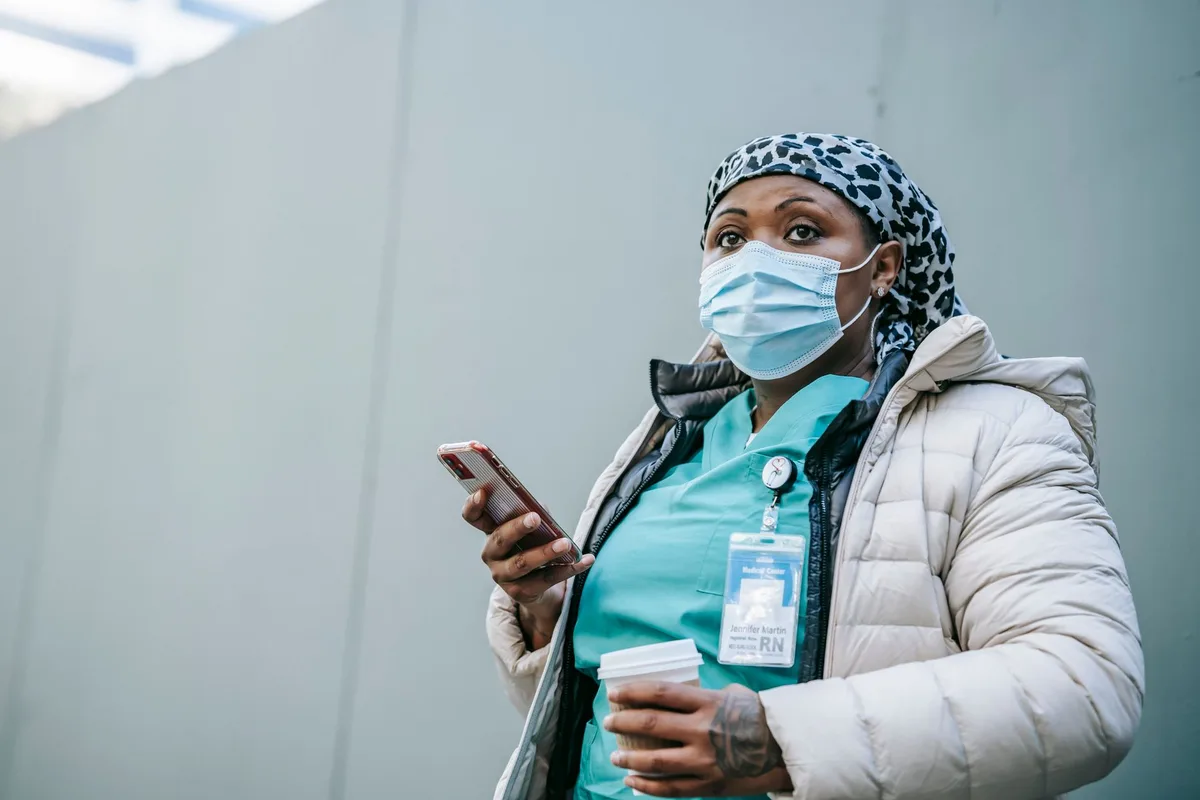
Thomas says the campaign has not always felt embraced by party insiders. She recounts moments when local party figures questioned how she presented herself on the trail, and she pushed back by staying authentic to her background — even campaigning in scrubs to underscore her identity as a frontline worker.
Priest presents a contrast: a seasoned nonprofit executive with endorsements from several former state leaders who urges a centrist, pragmatic pitch aimed at persuading moderate and swing voters. He has outraised Thomas substantially, reporting more than $266,000 in individual donations plus $50,000 in loans. Many of his supporters have given at or near the federal maximum.
His platform, billed as the F.A.I.R. Deal, focuses on lowering everyday costs, shoring up rural hospitals and mental-health services, improving government accountability and restoring public confidence in safety institutions. Priest argues that a middle-ground approach is the most viable path to defeating a well-known Republican in November.
Why this matters now
Oklahoma is one of the country’s most reliably red states; flipping a Senate seat here would require either a political earthquake or a candidate who can expand Democratic turnout and peel off independents and moderate Republicans. That makes the Aug. 25 runoff both a tactical and symbolic choice for Democrats: whether to run to the left to energize a base or to the center to court persuadable voters.
Nationally, progressives have captured attention with primary victories elsewhere, and Thomas points to those wins as evidence that bold messaging can succeed in contests across the Midwest and Rust Belt. Moderates counter that the general election will be the truer test — particularly in a state where Republican turnout typically dominates.
- Primary leader: N’Kiyla Jasmine Thomas — nurse, Chickasaw citizen, progressive policies, small-dollar fundraising (~$56,000 as of Aug. 5).
- Challenger: Jim Priest — attorney, former nonprofit CEO, backed by establishment Democrats, larger war chest (~$266,000 + $50,000 loans).
- Runoff date: Aug. 25 — winner faces Rep. Kevin Hern in November.
- Key question: Can Democrats win statewide in Oklahoma with a progressive platform, or does a centrist message perform better against entrenched Republican voters?
Voices from the party
Erin Brewer, chair of the Oklahoma Democratic Party, says the race illustrates an ongoing debate about how best to address voters’ day-to-day concerns — from healthcare and education to the cost of living — and cautions that the party does not formally endorse primary candidates. She added the state party has offered resources such as consultants and coaching to contestants.
For voters, the stakes are concrete: the nominee will need to close a fundraising gap, expand appeal beyond the party base and craft messages that resonate in small towns and suburban precincts alike. Both campaigns emphasize problem-solving, but they propose different routes to get there.
Priest warns against sharp ideological shifts, arguing that focusing on practical solutions will avoid alienating swing voters. Thomas insists that bold, people-centered policies can mobilize constituents who feel overlooked by traditional politics.
What to watch next
As the runoff approaches, look for three variables that will decide the contest: turnout among committed Democrats, the effectiveness of each campaign’s messaging to independents, and the ability to translate donations into visible field presence across Oklahoma’s diverse regions. Polling and early voting figures will be closely monitored as indicators of whether a progressive or moderate message can carry a Democrat to victory in this red state.
Whichever candidate emerges Aug. 25, the result will offer a snapshot of where parts of the Democratic coalition believe the party should go in conservative-leaning states — and how that strategy might play in the 2026 general election.