Show summary Hide summary
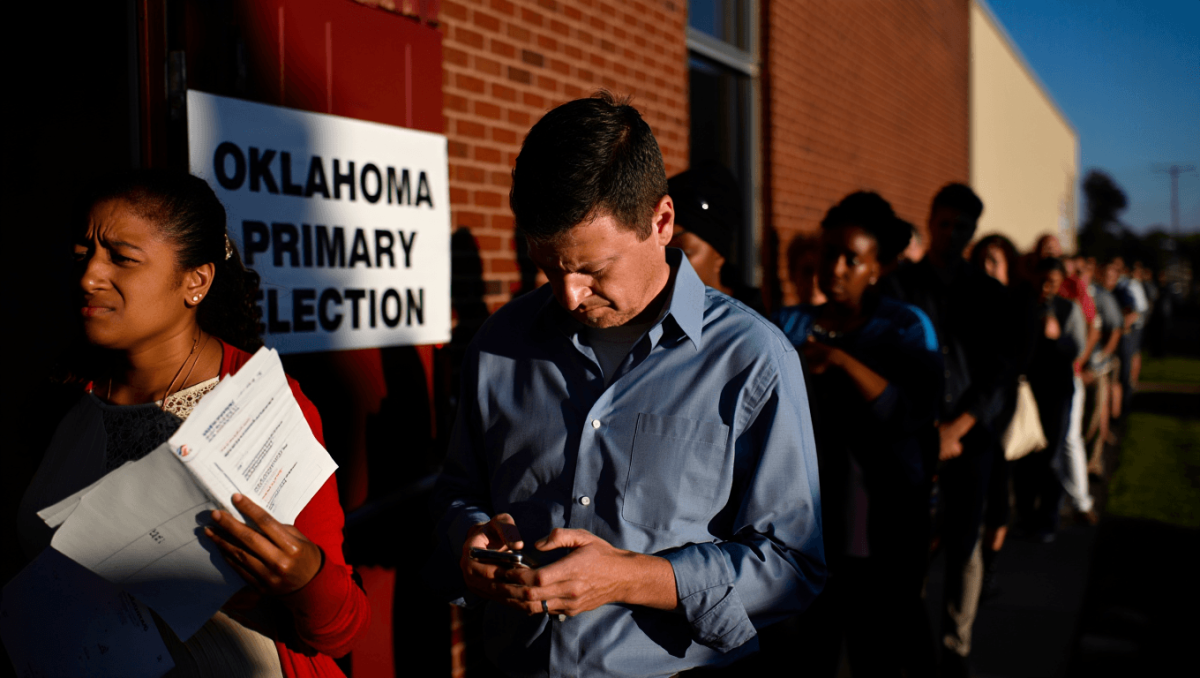
Oklahoma’s primary on Tuesday produced a surprising mix: heavy spending and scattered support, but only a fraction of registered voters casting ballots. Local analysts and state lawmakers said the results point to voter fatigue, limited impact from high-profile endorsements and a runoff that will test whether a smaller ballot can boost participation.
Money didn’t move the needle
Despite campaigns pouring tens of millions into the race, turnout hovered near roughly one in four registered voters — a sign, analysts say, that advertising dollars failed to mobilize broad interest. Political commentator Jason Dunnington argued the stark gap between spending and participation suggests voters simply weren’t persuaded by campaign messages on the trail.
Christa Pike released from hospital after failed execution, attorneys say
Dolly Parton tribute drives Madonna Inn crowds: steakhouse unveils limited menu
Sen. Paul Rosino pointed to another factor: the sheer number of contests and measures on the ballot. With multiple candidates competing, a statewide question and a full slate of lower-ticket races, he said many voters felt overwhelmed and uncertain about their choices.
The expectation from several insiders is that the August runoff will draw a larger share of the electorate because fewer items will be at stake, leaving voters to focus on head-to-head matchups.
Endorsements fell short of sway
National endorsements, including those from former President Donald Trump, did not translate into automatic support at the polls. Rosino suggested Oklahoma voters who turned out were making independent decisions rather than following celebrity or national cues.
Dunnington added that some endorsed candidates faced problems that undercut their appeal locally — from personal controversies to policy shifts — and that those issues, more than outside endorsements, shaped outcomes.
Voters push back against Freedom Caucus-style candidates
Several voters and observers read the results as a rebuke of candidates aligned with the House Freedom Caucus. Rosino described the winners as a preference for candidates perceived as pragmatic and experienced rather than strictly populist.
Dunnington framed the night as a moment when established conservative voters sought a different path than what the Freedom Caucus brand has offered, favoring candidates who promise practical advances over confrontational politics.
- What mattered: candidate credibility and local issues outpaced national endorsements.
- Turnout dynamic: broad ballot fatigue likely suppressed participation; fewer choices in a runoff could increase engagement.
- Local consequences: policy proposals tied to specific projects and controversies influenced voter decisions more than ads or celebrity backing.
Looking ahead, the most consequential matchup on the August ballot will be the gubernatorial runoff. Dunnington urged both contenders to outline clear, long-term plans; Rosino stressed that voters should evaluate those plans carefully, since the winner could shape state policy for years.
For Oklahoma voters and political watchers, the immediate takeaway is straightforward: money and endorsements are no substitute for clarity and trust at the ballot box. The runoff will reveal whether a pared-down choice set is enough to re-engage a majority of the electorate.