Show summary Hide summary
This weekend the Plaza District in Oklahoma City turned into a temporary skating promenade as Skate the Plaza drew residents and visitors to glide, spectate and shop along closed streets. The event highlighted the neighborhood’s efforts to blend active public life with small-business activity—and raised questions about street safety, accessibility and crowd management as the city experiments with car-free programming.
Rolling through the neighborhood
Organizers closed portions of NW 16th Street near the district’s core to create a continuous lane for skaters, scooters and families on foot. Live music and pop-up vendors lined the route, giving the afternoon a festival-like vibe rather than a purely athletic focus.
Christa Pike released from hospital after failed execution, attorneys say
Dolly Parton tribute drives Madonna Inn crowds: steakhouse unveils limited menu
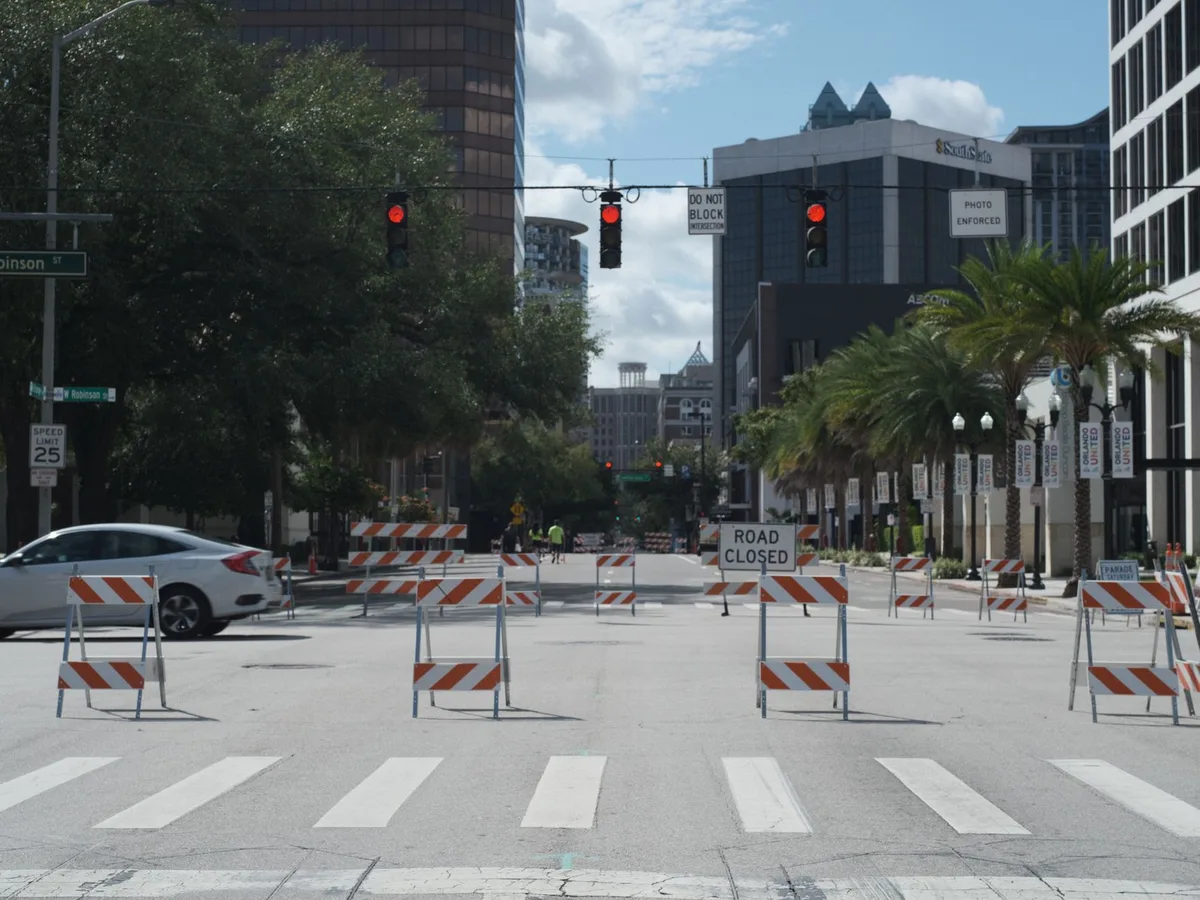
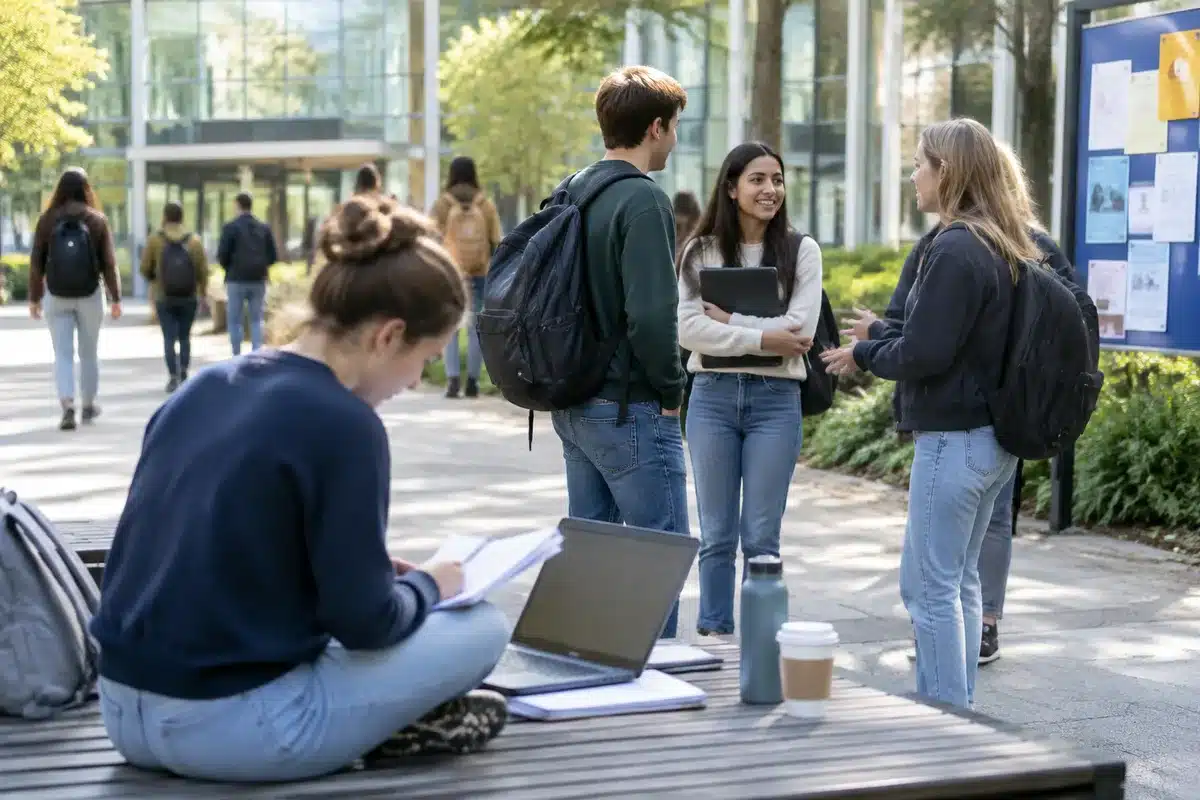
Attendees ranged from seasoned skateboarders and roller-skaters to parents pushing strollers; local shops reported steady foot traffic throughout the event. City staff and volunteer marshals were visible at key intersections to guide pedestrians and monitor flow.
Why this matters now
Events such as Skate the Plaza are part of a wider push in Oklahoma City toward temporary street reclaims that prioritize people over cars for short windows. Planners say these activations test longer-term ideas for safer, more walkable streets while giving local merchants a visibility boost.
But they also force trade-offs: motorists faced detours, and some residents raised concerns about noise and block access. How the city balances neighborhood activation with resident needs will shape whether initiatives like this expand or remain occasional.
- What happened: Streets closed for skating and pedestrian use; vendors and live performers were present.
- Who attended: Mixed-age public, from competitive skaters to casual families.
- Safety measures: Volunteer marshals, city staff oversight and suggested helmet use; first-aid crews were on site.
- Impact on businesses: Increased foot traffic for cafes, galleries and boutiques along the route.
- Traffic effects: Short-term detours on surrounding streets; signage directed drivers to alternate routes.
Local voices and next steps
“It feels like the neighborhood gets to breathe differently when cars aren’t the main focus,” said one attendee, reflecting a common sentiment. A gallery owner nearby called the event “a clear boost” for passing trade, while a few residents asked for clearer notices before future closures.
City planners and district organizers said they will review participant feedback and operational notes to refine safety protocols and notice periods. If sustained interest continues, officials suggested future dates could expand into evening programming and coordinated marketing to draw more visitors without overburdening residents.
For now, the Plaza District’s experiment shows both the appeal and the logistical complexity of temporary car-free events—an increasingly visible trend in urban neighborhoods nationwide as cities test new ways to animate public space.