Show summary Hide summary
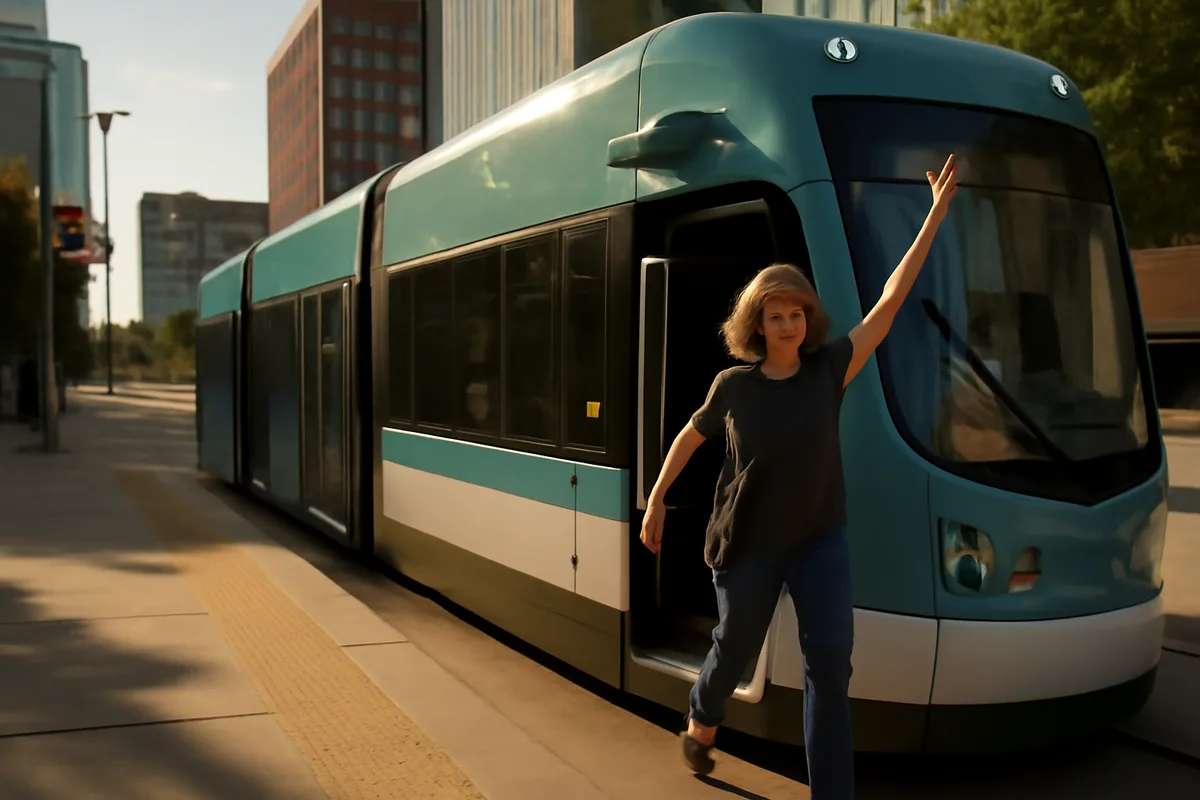
Oklahoma City’s streetcar will remain free to the public after city transit officials made the pilot program permanent this month, citing a dramatic jump in riders across the first half of 2026. The change aims to improve downtown circulation ahead of upcoming events and continued development.
Decision follows six-month trial
On Aug. 7 the Central Oklahoma Transportation and Parking Authority (COTPA) approved a resolution making fare-free service a lasting policy for the OKC Streetcar. EMBARK began a zero-fare trial in January to test whether removing fares would boost downtown transit use, and the authority moved quickly after reviewing the results.
Christa Pike released from hospital after failed execution, attorneys say
Dolly Parton tribute drives Madonna Inn crowds: steakhouse unveils limited menu
EMBARK director Jesse Rush said the analysis supports keeping rides free because the shift has already eased movement around the core and supported downtown commerce. He noted the policy aligns with the city’s plans for more events and projects that will draw visitors to the area.
Ridership gains and monthly peaks
The pilot produced measurable ridership gains. Comparing January–June 2026 with the same period in 2025, the streetcar system saw an average increase of about 71% month over month.
The system also posted a strong fiscal-year performance: total boardings for FY2026 reached 273,699, roughly a 12.6% rise versus the prior fiscal year. Ridership accelerated late in the fiscal year, with March through June each exceeding 32,000 rides and June 2026 becoming the system’s busiest month—more than two-and-a-half times the June 2025 count.
| Measure | Result |
|---|---|
| Pilot period (Jan–Jun) year-over-year change | +71% average monthly |
| FY2026 total boardings | 273,699 |
| Busiest month (June 2026) | 36,756 rides |
| System configuration | 7 streetcars • 22 stops • 2 loops • 7 days/week |
What this means for riders and downtown
Keeping fares off the streetcar removes a small but persistent barrier to travel, making short trips between districts, attractions and businesses easier for residents and visitors alike. For workers and tourists, it creates a reliable, cost-free option for moving across downtown.
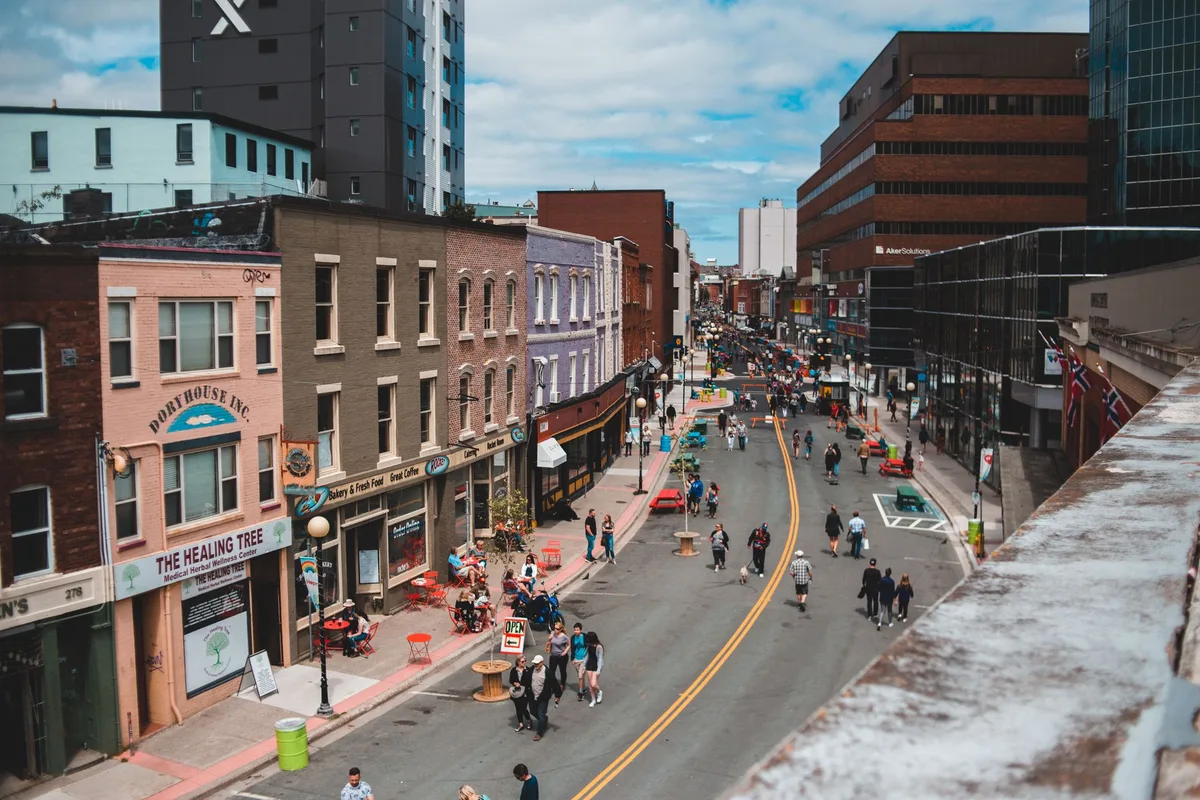
City planners see additional upside: a denser, more walkable core benefits retail and hospitality tenants and can reduce short-distance car trips that contribute to congestion. Those gains are especially relevant as Oklahoma City prepares to host larger events in coming years.
At the same time, the move raises questions about long-term funding for operations and maintenance. Officials pointed to the ridership study as the basis for the policy, but sustaining a zero-fare model will depend on budget choices and revenue sources beyond passenger fares.
How the streetcar operates
The OKC Streetcar runs every day on two interconnected loops, stopping at 22 locations and using a fleet of modern vehicles. Service frequency, routes and maps are managed by EMBARK as part of the city’s broader transit network.
For riders, the practical takeaway is immediate: the streetcar is free to board now and for the foreseeable future, offering an uncomplicated way to travel within downtown Oklahoma City.