Show summary Hide summary
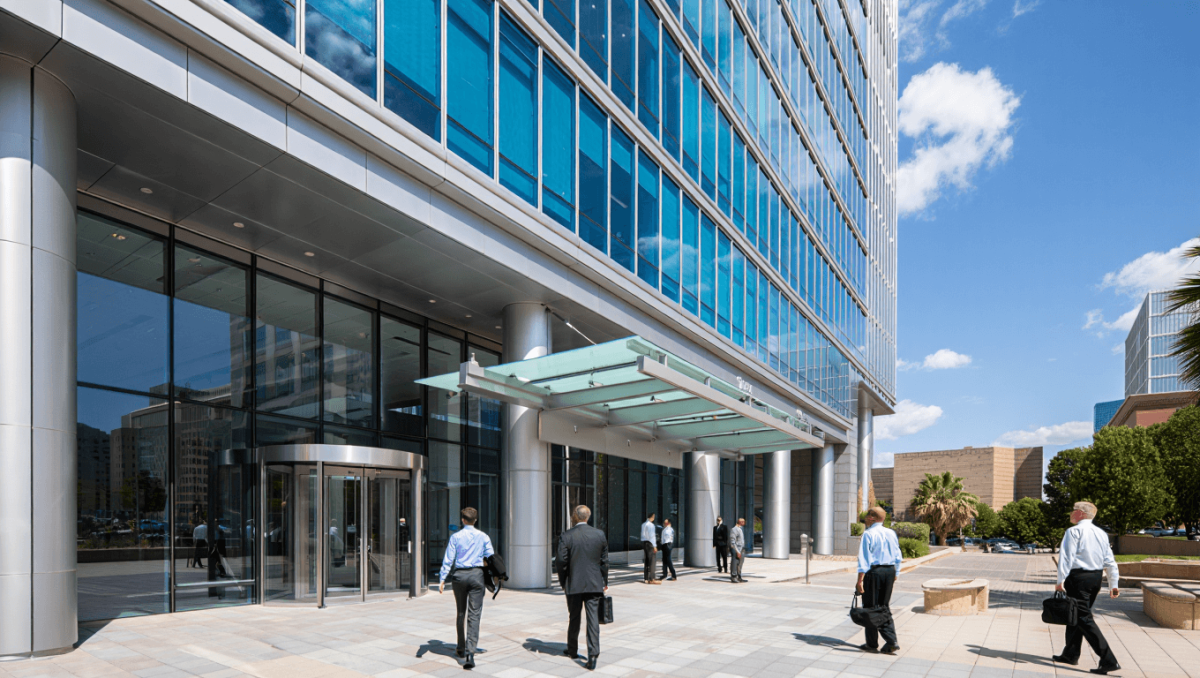
PwC has opened a new office in Midtown Oklahoma City, a move the firm says reflects both a shift in workplace design and a renewed commitment to the local market. The relocation — to 424 NW 10th Street, Suite 201 — aims to align staff needs with a neighborhood that has changed dramatically in recent years.
The space was planned with flexibility in mind rather than a traditional, assigned-desk layout. Large windows and an open floor plan maximize natural light, while artwork from local creators helps connect the firm to the surrounding community.
A workplace built for today
Inside the office, employees find a mix of collaboration zones and quieter areas meant for focused work. Adjustable desks and private phone booths are among the practical additions intended to support hybrid schedules and varied working styles.
Christa Pike released from hospital after failed execution, attorneys say
Dolly Parton tribute drives Madonna Inn crowds: steakhouse unveils limited menu
- Open, daylight-filled floor plan
- Local art installations including pieces from the Paseo Arts District
- Adjustable-height desks and dedicated phone booths
- Spaces designed for team collaboration and individual focus
Nate Rice, PwC’s Oklahoma City office leader, described the move as the outcome of months of planning and a sign of the firm’s confidence in the city’s future. He said the new location provides a better setting for staff, clients and community engagement.
Why Midtown matters
Midtown has evolved from a relatively quiet stretch of the city into a pedestrian-friendly district packed with shops, restaurants and repurposed historic buildings. That transformation has attracted companies seeking walkable neighborhoods that offer amenities and transportation links.
The Oklahoma City Streetcar runs through Midtown, giving employees and clients an easy, car-free connection to downtown and Bricktown — a practical benefit for commuting and client meetings.
For PwC, the move is framed as more than a change of address: it’s an investment in a neighborhood the firm expects to grow alongside. Leaders say the office will help recruit talent, improve client service and deepen local ties.
On a broader level, the relocation mirrors a trend among professional firms that are redesigning workplaces to support hybrid work while choosing urban locations that offer lifestyle and transit advantages.
The immediate effects for workers and clients are straightforward: improved access, modern amenities and a workplace intended to support flexible routines. Over time, leaders hope the presence of a national firm will reinforce Midtown’s momentum as a business and cultural hub.
Rice summed up the firm’s outlook by saying the new office is a starting point for continued engagement in Oklahoma City and optimism about what comes next for the teams based there.