Show summary Hide summary
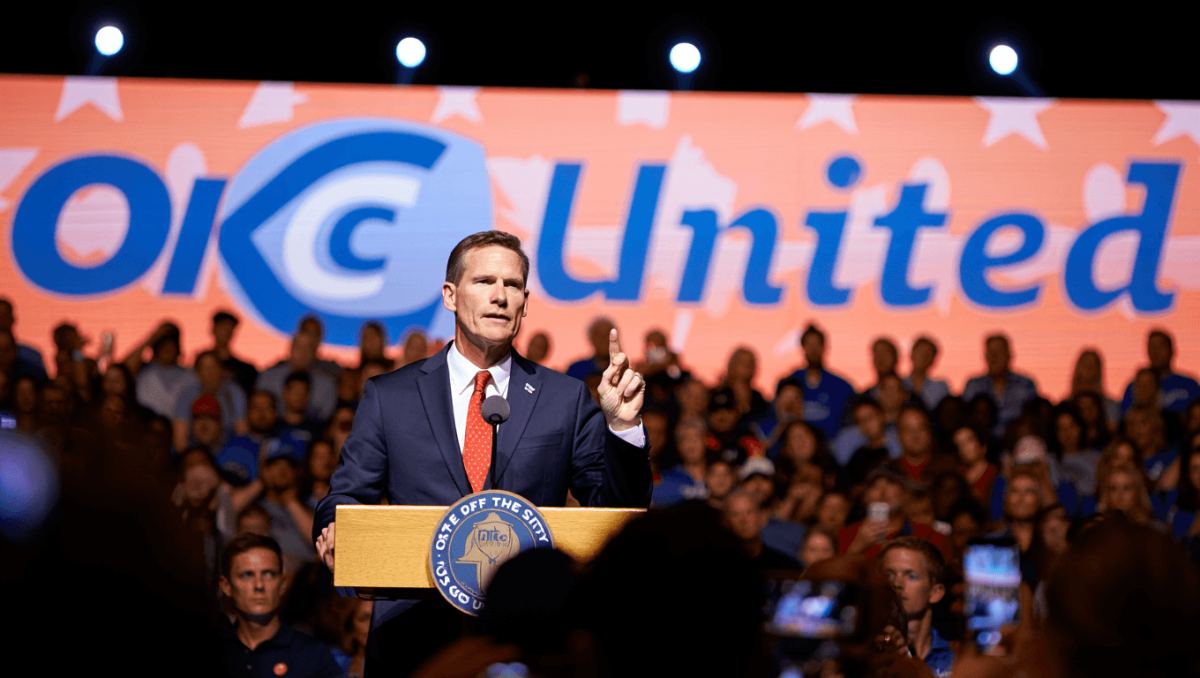
Oklahoma City’s new professional soccer franchise has a name: OKC United. The announcement, made by Mayor David Holt during his annual State of the City address, ties the club to the city’s “One OKC” identity and to the downtown stadium being built under the MAPS 4 program.
The name is intended to signal more than a sports brand; city leaders say it reflects a broader civic push toward cohesion and shared investment as the stadium project advances toward a 2028 opening.
What the name change means now
Bringing a professional team back to Oklahoma City is part of a larger strategy that mixes urban development, youth sport access and national visibility. City officials emphasize that the club will play in the USL Championship, adding a second pro-level tenant to an expanding local sports scene already anchored by the NBA’s Thunder.
Christa Pike released from hospital after failed execution, attorneys say
Dolly Parton tribute drives Madonna Inn crowds: steakhouse unveils limited menu
Beyond matchdays, the announcement is designed to advance several municipal goals: activating downtown, expanding youth soccer programs and increasing the city’s appeal to regional and national events — including roles tied to the 2028 Olympic Games.
| Item | Detail |
|---|---|
| Team name | OKC United |
| League | USL Championship |
| Stadium | MAPS 4 multipurpose stadium, targeted for 2028 |
| Youth investment | More than $30 million allocated through MAPS 4 for soccer facilities |
| Development recognition | Selected as a U.S. Soccer “Soccer Forward” community |
Immediate implications for residents
For families and youth players, the concrete benefit is expanded field access and programming funded by MAPS 4. City officials say the investment aims to grow participation and help develop local talent pipelines — a long-term play that could change who advances to elite levels from the region.
For downtown businesses and event organizers, the stadium and a steady professional schedule promise more visitors and recurring economic activity. That in turn is expected to strengthen complementary projects already underway, from public spaces to hospitality offerings.
- Stadium construction supports jobs during buildout and will create ongoing event-related positions once open.
- Regular USL Championship fixtures provide seasonal tourism spikes and conventions a larger entertainment portfolio.
- Expanded youth facilities aim to lower barriers to entry and broaden participation across neighborhoods.
How the name fits the city’s message
Mayor Holt framed the choice of “United” as a deliberate link to the city’s civic brand: a reminder that municipal progress depends on collaboration across neighborhoods and sectors. The label is familiar in global soccer, but local leaders say they chose it for its resonance with Oklahoma City’s current priorities.
The announcement arrives at a moment when the city is actively courting larger sporting and cultural events. Adding a pro soccer franchise enhances Oklahoma City’s portfolio of sports venues and strengthens its case for hosting higher-profile competitions in the years ahead.
As construction continues and organizational details are finalized, the next steps to watch are the club’s community outreach plans, season schedule, and how the team integrates with existing youth and community programs. Those elements will determine whether the name becomes a meaningful civic symbol or simply another franchise label.