Show summary Hide summary
New city temperature data and maps show that Oklahoma City’s heat is not evenly distributed — some neighborhoods face much higher summer temperatures than others, with direct consequences for energy bills, air quality and public health. The findings, drawn from a 2023 neighborhood survey and a heat map released by city officials in 2024, make clear which areas are most vulnerable as hotter months approach.
Where the hottest pockets are
Christa Pike released from hospital after failed execution, attorneys say
Dolly Parton tribute drives Madonna Inn crowds: steakhouse unveils limited menu
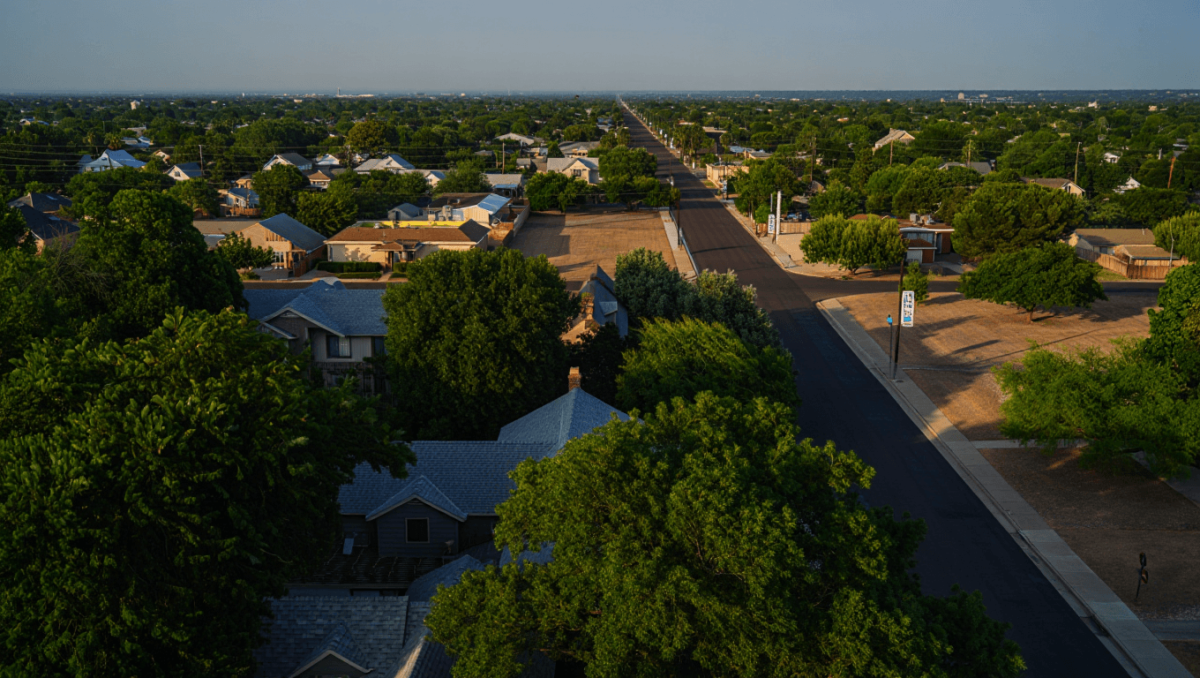
Volunteers collected air temperature, humidity and air-quality readings across the city in 2023; the analysis published last year paints a consistent picture: areas north of Interstate 44 and beyond the Kilpatrick Turnpike record the highest temperatures. In contrast, neighborhoods with more open space and mature vegetation tend to stay cooler.
Measured temperatures across Oklahoma City showed a nearly 15-degree gap between the warmest and coolest locations. Citywide readings ranged from roughly 81.6°F at the cool end to about 95.3°F in the hottest spots. Downtown sits in the middle of that spectrum, while some southern edges — including parts west of Moore — typically fall in the high 80s to low 90s. North of the Kilpatrick, the heat index climbed into the mid-90s at peak times.
Why this matters now
The pattern reflects the well-known urban heat island phenomenon: dense pavement, rooftops and built surfaces store and re-radiate heat, raising local temperatures. The U.S. Environmental Protection Agency notes that heat islands can elevate temperatures by several degrees; local readings here show the effect interacting with development patterns to produce even larger differences across neighborhoods.
Taller stakes this year include higher cooling costs as summer energy demand rises, increased ground-level ozone and more frequent heat-related illnesses among vulnerable residents. That combination makes targeted action urgent for both individual households and city planners.
Practical steps for residents and neighborhoods
- Improve home efficiency: upgrade insulation, seal gaps, and optimize airflow to reduce cooling load.
- Manage solar gain: install reflective window films or shades and consider light-colored roof treatments.
- Plant shade trees where they will develop a strong shade canopy—native, deep-rooted species typically perform best.
- Use targeted shading: awnings, pergolas or shade sails over patios and windows can lower indoor temperatures quickly.
- Coordinate community measures: advocate for shaded bus stops, reflective pavement pilot projects and tree-planting drives in heat-prone blocks.
Local leaders say the city is already exploring strategies such as reflective roofing, lighter pavement materials and expanding tree cover to cool hot pockets. These measures work best when combined — for example, pairing increased canopy with policies that reduce heat-retaining surfaces in new developments.
What to watch for this summer
Expect neighborhood temperature differences to shape how residents experience heatwaves: two nearby blocks can feel markedly different if one has mature trees and less asphalt. That variability should inform emergency planning, outreach to at-risk households and decisions about where to prioritize cooling investments.
For individuals, small upgrades now — improved insulation, better window shading, a focused tree-planting plan — can reduce energy bills and lower health risk during peak heat. For the city, targeted interventions in the hottest corridors will yield the greatest public-health and equity benefits.
Key findings at a glance:
- Data source: volunteer-led 2023 temperature and air-quality survey; city heat map released 2024.
- Temperature range: about 81.6°F to 95.3°F across measured locations.
- Hotter areas: generally north of I-44 and north of the Kilpatrick Turnpike.
- Cooling strategies: tree canopy expansion, reflective roofs/pavement, targeted building efficiency upgrades.