Show summary Hide summary
Oklahoma City’s long-term investments in civic projects are starting to show concrete returns: rising national exposure, a pipeline of major events and new sports and entertainment venues under construction. That momentum matters now because it is widening economic opportunities for local businesses and expanding the city’s appeal to visitors and national broadcasters.
Once written off as a small regional market, Oklahoma City now routinely appears on national sports and entertainment calendars. High-profile broadcasts, championship competitions and international fixtures have become a regular part of the city’s calendar, bringing audiences and attention from beyond the region.
What’s coming to the city
Christa Pike released from hospital after failed execution, attorneys say
Dolly Parton tribute drives Madonna Inn crowds: steakhouse unveils limited menu
Several high-profile events and facility upgrades are converging in the next few years, raising the city’s profile and capacity to host large productions.
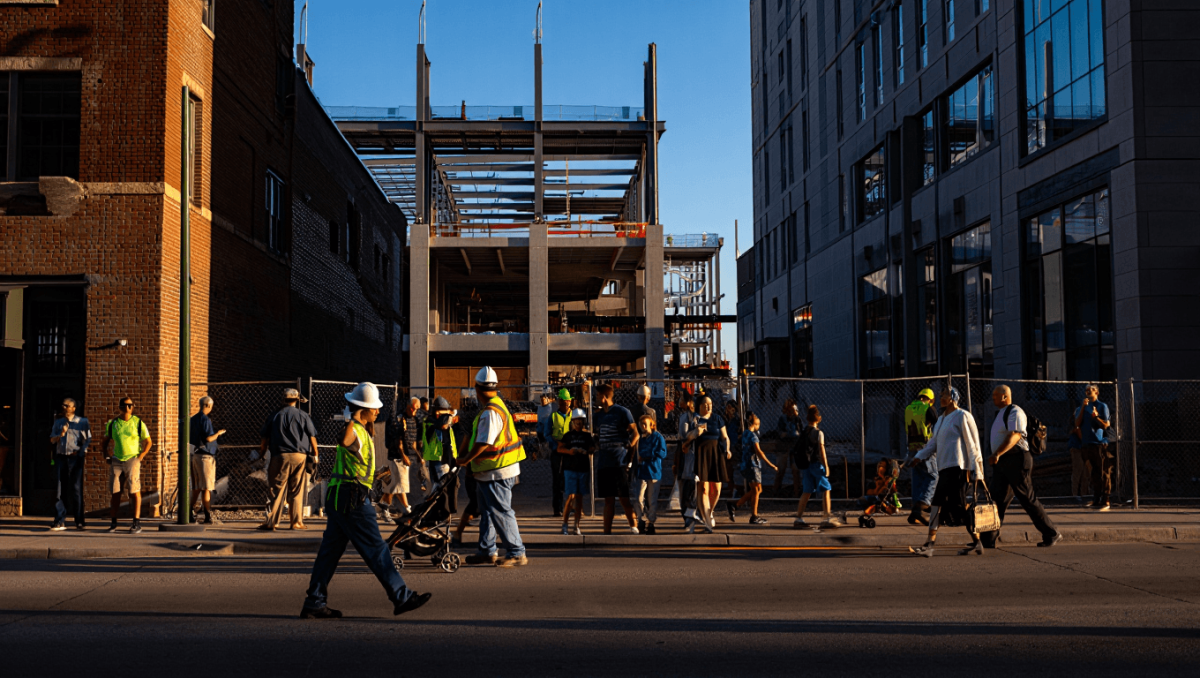
- MAPS 4 multipurpose stadium — under construction and planned to accommodate professional soccer, UFL football and large-scale outdoor events.
- Continental Coliseum — a new indoor venue designed to host concerts, conventions and arena sports.
- International and Olympic-linked events — planned activities tied to the LA28 Olympic cycle and the 2026 ICF Canoe Slalom World Championships will bring global athletes and audiences.
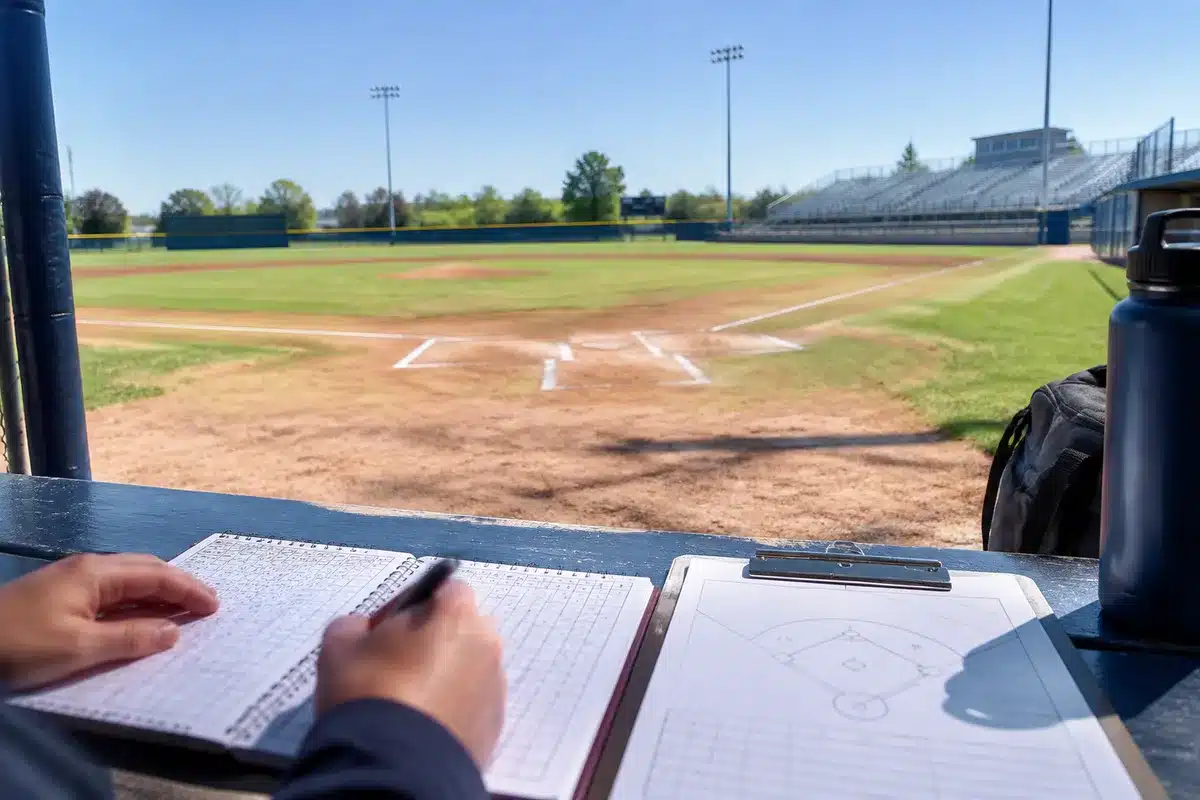
- Established championships — ongoing staples such as the NCAA Women’s College World Series and major equestrian competitions continue to draw national and international participants.
These projects build on years of coordinated investment through citywide programs that expanded downtown venues and event infrastructure. The result is physical capacity — and the marketing reach that comes with hosting televised and streamed events.
Why national coverage matters
Broadcasters and national outlets have increased their presence in the city, amplifying the exposure created by live events. Recent national features and major broadcasts put Oklahoma City in front of viewers across the country, a development that helps attract sponsors, tourists and future event bids.
That visibility has practical impacts: more hotel bookings, restaurant and retail traffic during events, and a stronger case for future bids that require media infrastructure and audience reach.
Implications for local communities and businesses
Beyond headline-making events, the steady influx of visitors supports a range of local jobs — from hospitality and stadium operations to event production and logistics. It also feeds a seasonal calendar that helps stabilize revenue for smaller venues and service providers.
At the same time, large-scale planning raises questions about long-term maintenance, neighborhood impacts and how benefits are distributed across the city. Local leaders will face choices about how to translate short-term event gains into sustained economic and social returns.
Key takeaways
- Infrastructure investments are creating new capacity for national and international events.
- Media presence increases the city’s visibility, which can boost tourism and sponsorship opportunities.
- Economic ripple effects include job creation and higher visitor spending, but require careful planning to ensure broad benefits.
As construction continues and event calendars fill, Oklahoma City is shifting from an emerging market to a repeat host for major competitions and broadcasts. How city leaders manage the next phase — from operations to neighborhood impacts — will determine whether this period becomes a lasting economic shift or a series of episodic peaks tied only to individual events.