Show summary Hide summary
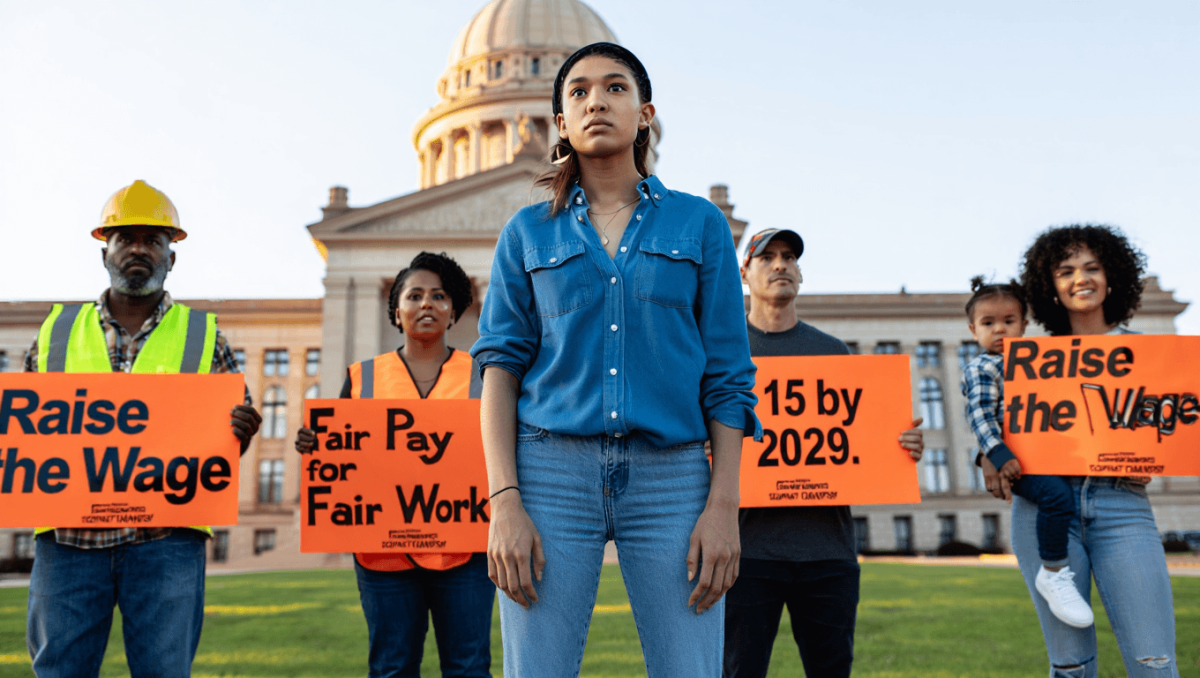
Early voting opens Thursday ahead of next Tuesday’s primary in Oklahoma, and voters will confront a high-stakes question about paychecks and the state’s economy. Measure sSQ832 would raise the state minimum wage from the federal floor to $15 by 2029, a change that would directly affect thousands of workers while prompting a heated debate over costs for employers and the broader economic ripple effects.
The proposal, known on the ballot as sSQ832, sets a multi-year schedule of increases to move Oklahoma away from the current baseline of $7.25 an hour. Backers frame the measure as a correction to long-stalled wages and a boost to household purchasing power. Opponents warn of higher operating costs for small businesses and potential job losses, especially in sectors with thin profit margins.
What voters should know
Here are the essentials of how the change could play out and what to look for as the ballot question advances.
Christa Pike released from hospital after failed execution, attorneys say
Dolly Parton tribute drives Madonna Inn crowds: steakhouse unveils limited menu
- Timeline: The measure aims for gradual raises culminating in $15 an hour by 2029. The exact increments and effective dates are central to implementation planning.
- Who benefits: Lower-wage employees across retail, food service, care work and other industries would see pay increases; the size and speed of raises determine overall impact on household incomes.
- Business impact: Small employers are most likely to feel higher labor costs; larger firms and public programs may also adjust staffing, prices, or hours.
- Economic trade-offs: Supporters point to increased consumer spending and reduced reliance on safety-net programs; critics cite potential inflationary pressure and altered hiring practices.
- Implementation risks: Legal challenges, administrative details, and exemptions (for tipped workers or youth wages) are common flashpoints in minimum-wage measures nationwide.
Advocates for the increase highlight stories of working families struggling to cover basics on current wages. They argue that a phased rise gives employers time to adapt and offsets poverty and income inequality without dramatic job loss. Opponents counter with cautionary examples where rapid wage hikes have prompted businesses to reduce staff, cut hours, increase prices, or accelerate automation.
Political and practical stakes
The measure also carries political weight. Voter decisions will signal priorities on living standards and regulatory expectations, potentially reshaping the state’s labor market norms for years. For municipalities and employers, the practical task is preparing payroll systems, budgets and contractual arrangements to meet new minimums if the measure passes.
Outside analysts say outcomes vary by local context: densely populated areas and industries with stronger margins can absorb wage increases more easily than rural counties and small establishments. Close attention will be paid to transition provisions and any carve-outs that appear in the final ballot language.
As early voting begins, expect the debate to focus on concrete scenarios — paychecks, prices and hiring — rather than abstract policy. Voters weighing sSQ832 will be deciding not just on a number, but on how Oklahoma balances immediate wage relief with the longer-term economic adjustments that follow.