Show summary Hide summary
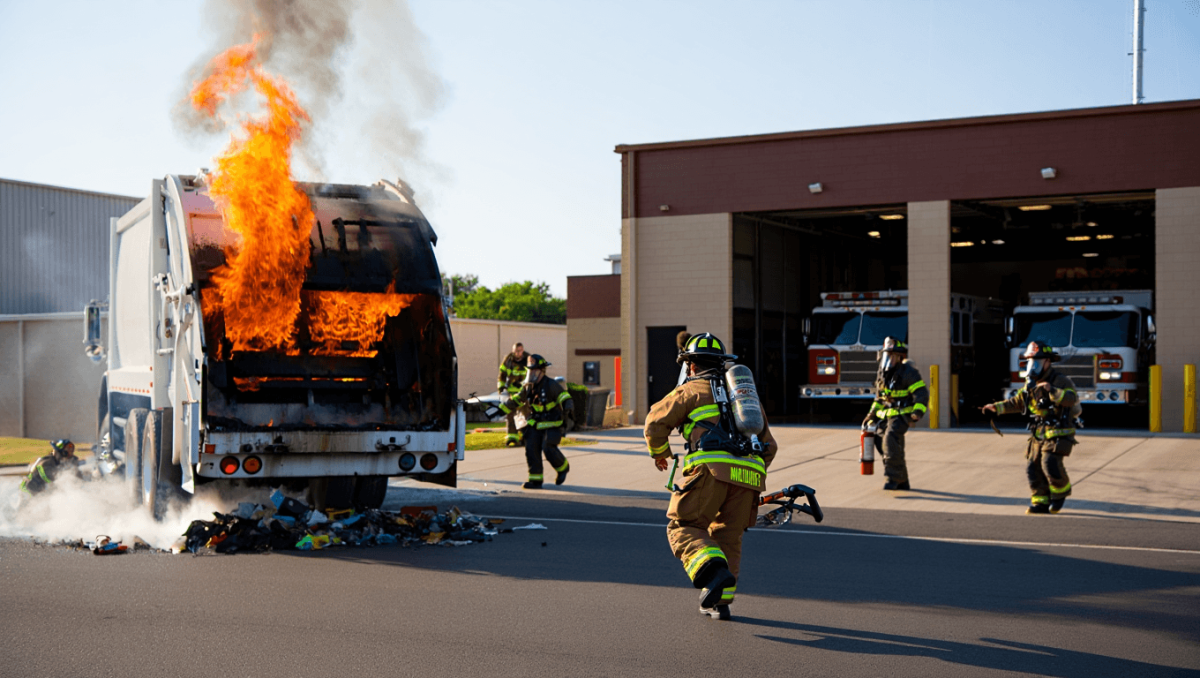
Oklahoma City firefighters responded Friday afternoon after flames erupted in a municipal trash truck, drawing multiple emergency units to the scene and briefly interrupting normal traffic flow. The incident underscores how quickly vehicle fires can escalate and the potential public-safety and service impacts when collection vehicles catch fire.
Fire response and immediate effects
Crews arrived on site within minutes and worked to bring the blaze under control. Witnesses reported heavy smoke and visible flames as firefighters attacked the hot spots and cooled the vehicle to prevent re-ignition.
Christa Pike released from hospital after failed execution, attorneys say
Dolly Parton tribute drives Madonna Inn crowds: steakhouse unveils limited menu
The truck’s load of compacted refuse made the operation more complex, officials said, since smoldering material can hide hotspots that flare up when disturbed. Nearby streets experienced short delays while responders secured the area.
Why this matters now
When a trash truck catches fire, the consequences go beyond a damaged vehicle: there can be interruptions to scheduled waste collection, localized air-quality concerns from burning waste, and risks to nearby parked cars or structures. For city services already under strain, even a single loss of equipment can ripple through collection routes for days.
- Public safety: Flames and smoke pose immediate hazards to people and property.
- Service disruption: Routes may be delayed or rescheduled while trucks are repaired or replaced.
- Environmental impact: Burning refuse can release pollutants into the air.
- Investigation needs: Determining the cause is important to prevent similar incidents.
Common causes and precautions
Investigators typically look at a range of possibilities, including hot embers from yard waste, improperly discarded smoking materials, chemical reactions, and items with internal batteries. Lithium batteries are frequently cited by waste-management professionals as a rising hazard when they arrive in household trash or recycling loads.
Residents can help reduce risk by taking a few practical steps:
- Allow ashes and grill coals to cool completely and soak in water before disposal.
- Securely tape or store used batteries and electronics separately for proper recycling.
- Avoid tossing smoldering materials into household bins.
City officials said the cause of Friday’s fire is under review and that no widespread service changes have been announced. Anyone with information or who observed the blaze is asked to share details with local authorities.
As municipalities across the country manage aging fleets and evolving waste streams, such incidents serve as a reminder of the small precautions that can prevent a routine collection run from turning into a safety emergency.