Show summary Hide summary
The California State University system has cleared the way for three new accelerated bachelor’s degrees designed for working adults, military veterans and students returning to higher education — a move intended to expand access and respond to shifting enrollment and workforce needs. The CSU Board of Trustees approved the programs this week, though individual campuses will decide whether and when to offer them.
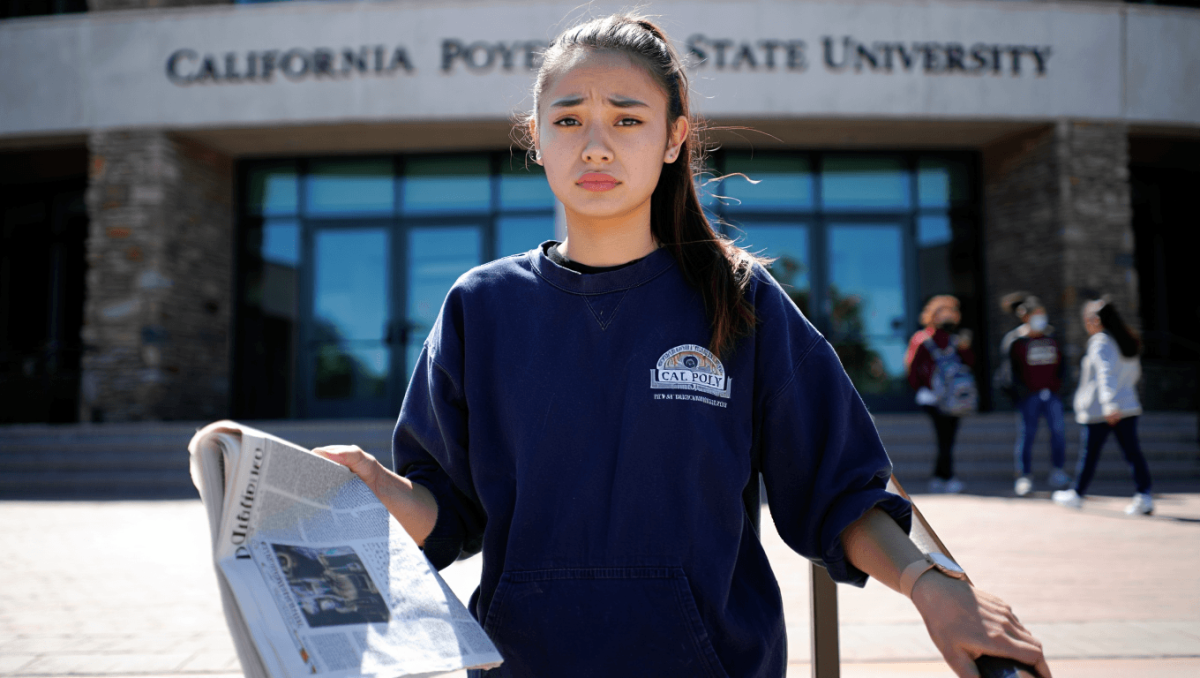
Campuses are not obliged to adopt the new curricula. Cal Poly, for example, will postpone any decision until the next academic year, university spokesperson Keegan Koberl said.
The initiatives create alternative pathways to a bachelor’s degree by shortening the time and credit load typically required. Each program is structured to be completed in about three years — roughly 90 units — compared with the standard four-year, 120-unit bachelor’s degree.
Christa Pike released from hospital after failed execution, attorneys say
Dolly Parton tribute drives Madonna Inn crowds: steakhouse unveils limited menu
What the three programs are intended to do
- Bachelor of Education — Restores a degree that CSU campuses offered until 1982. CSU leaders say the reintroduction aims to help address California’s persistent teacher shortage and to support integrated training models for aspiring teachers.
- Bachelor of Professional Studies — Built for learners who bring prior college credits, military training, certifications or substantial work experience that can be formally incorporated into the degree plan.
- Bachelor of Applied Studies — Designed as a career-focused degree for students seeking a practical, workplace-aligned credential that consolidates applied learning and credits.
Advocates argue these options could shorten the route to a degree for adults juggling jobs, family responsibilities or military service, and for students who already hold transferable credits. But the impact will depend on how many campuses adopt the models and how quickly they integrate existing credits and professional training.
Background pressures help explain the timing. During a California State Assembly briefing in December, lawmakers and system officials highlighted falling enrollments at several CSU campuses over the past five years. Some campuses, like Cal Poly, have seen increases — Cal Poly’s enrollment rose about 7% since 2020 — while others, including San Francisco State, Sonoma State and CSU East Bay, have recorded substantial declines.
Those trends are central to the CSU’s push to diversify degree offerings. Shorter, more flexible programs could make college more attainable for nontraditional students and strengthen regional workforce pipelines, particularly in K–12 education.
Still, adoption will be uneven. Campuses must evaluate local demand, accreditation details and how to align existing programs and faculty resources with the new degree structures. That means students may see different options depending on where they enroll.
Key considerations for students and employers
- Faster completion: Three-year degrees reduce time-to-degree and may lower overall costs for students able to transfer credit or demonstrate prior learning.
- Credit recognition: How each campus evaluates military training, professional certifications and prior coursework will determine the degree’s accessibility for working adults.
- Labor-market fit: Employers and school districts will watch whether these degrees meet credentialing standards and practical skills needs — especially for teaching positions.
- Local rollout: Availability will vary by campus; students should confirm program details and transfer policies at the CSU campus they intend to attend.
Next steps for the system include campus-level decisions about implementation, development of program curricula, and any additional approvals required for accreditation. If widely adopted, the new degrees could offer a faster, more flexible path to a bachelor’s for many Californians — but their ultimate reach will depend on how individual campuses choose to move forward.