Show summary Hide summary
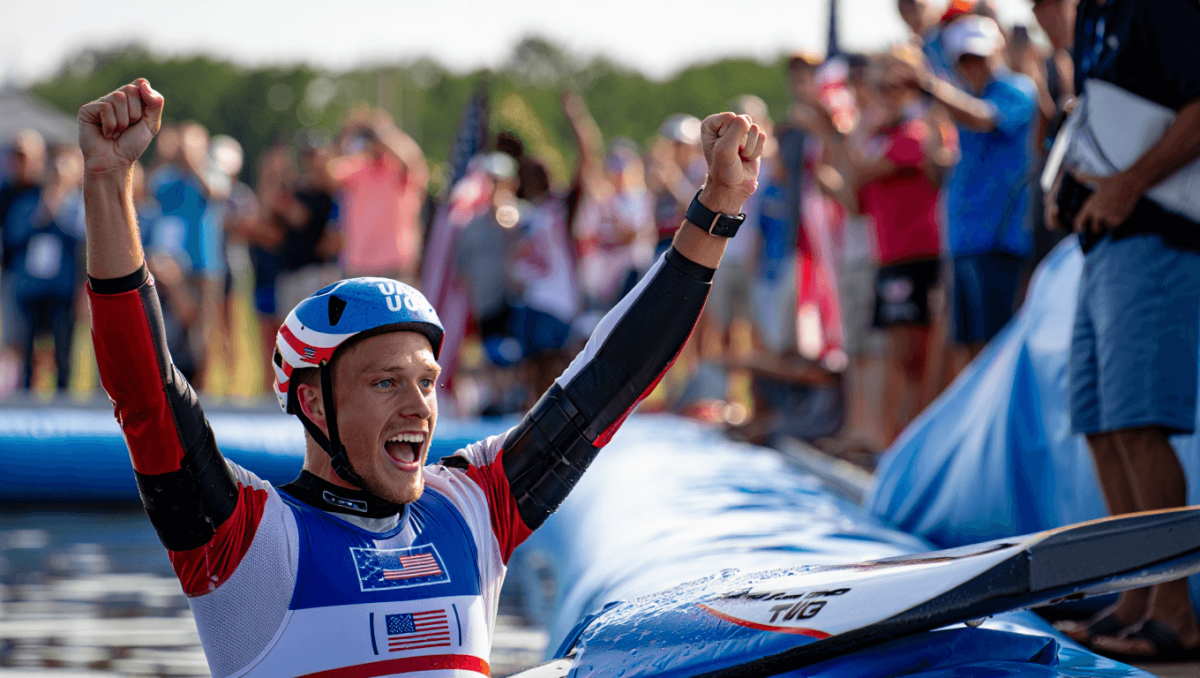
The 2026 ICF Canoe Slalom World Championships wrapped up in Oklahoma City on Saturday, delivering a landmark victory for Team U.S.A. and signaling a fresh direction for the sport’s governing body. With the Paris-to-Los Angeles Olympic cycle underway, the result reshapes momentum two years before the 2028 Olympic Games and raises immediate questions about funding, athlete pathways and public interest in canoe slalom at home.
Staging the championship in Oklahoma City brought the discipline to a U.S. audience at a pivotal moment. Local organizers reported strong turnout and media attention, and the event put a spotlight on the athletes who will be central to national selection debates and training priorities leading into 2028.
For the International Canoe Federation, the tournament appears to mark what leaders described as a “new chapter” — an intentional phrase that suggests broader ambitions to broaden the sport’s footprint and modernize its international calendar. Holding a marquee world championship in the United States underscores that shift and may influence where future events are hosted.
Christa Pike released from hospital after failed execution, attorneys say
Dolly Parton tribute drives Madonna Inn crowds: steakhouse unveils limited menu
Immediate implications
The consequences of a home-country world-title win are practical as well as symbolic. In the short term, national federations and sponsors often use such moments to justify increased investment in coaching, junior programs and high-performance facilities. For athletes, a victory at this level can change qualification trajectories and the focus of national team support.
- Momentum for domestic programs: A headline win can accelerate talent identification and retention inside the U.S. canoe-slalom pipeline.
- Visibility and media coverage: Greater public interest may translate into more events, broadcast opportunities and sponsorship dollars.
- Preparation for 2028: Athletes and coaches now have a clearer benchmark two years out from Los Angeles, shaping training plans and selection strategies.
- ICF strategy: Hosting and competitive success in the U.S. strengthen the case for the federation to pursue North American venues and partnerships.
Not every outcome is immediate or guaranteed. Translating a single championship result into broader growth requires sustained investment, accessible grassroots programming and ongoing media attention. Local momentum in Oklahoma City will need follow-through from clubs, schools and governing bodies to become lasting change.
Still, the optics matter: a world championship held on American soil, capped by a U.S. triumph, gives the sport a narrative to sell to policymakers and potential backers. It also gives athletes a tangible morale boost at a formative moment in the Olympic cycle.
What to watch next
Over the coming months, national selectors will refine their plans and funding bodies will decide whether to increase support. Expect to see:
- Announcements about expanded training camps or youth outreach programs.
- Closer scrutiny of venue bids for future ICF events.
- Heightened attention to athlete development paths as federations finalize Olympic qualification strategies.
The Oklahoma City championships did more than hand out medals — they reframed the conversation around canoe slalom in the United States and nudged the sport onto a potentially different trajectory before the 2028 Games. Whether that shift endures will depend on follow-up action from the ICF, national bodies and local organizers who now hold the momentum.