Show summary Hide summary
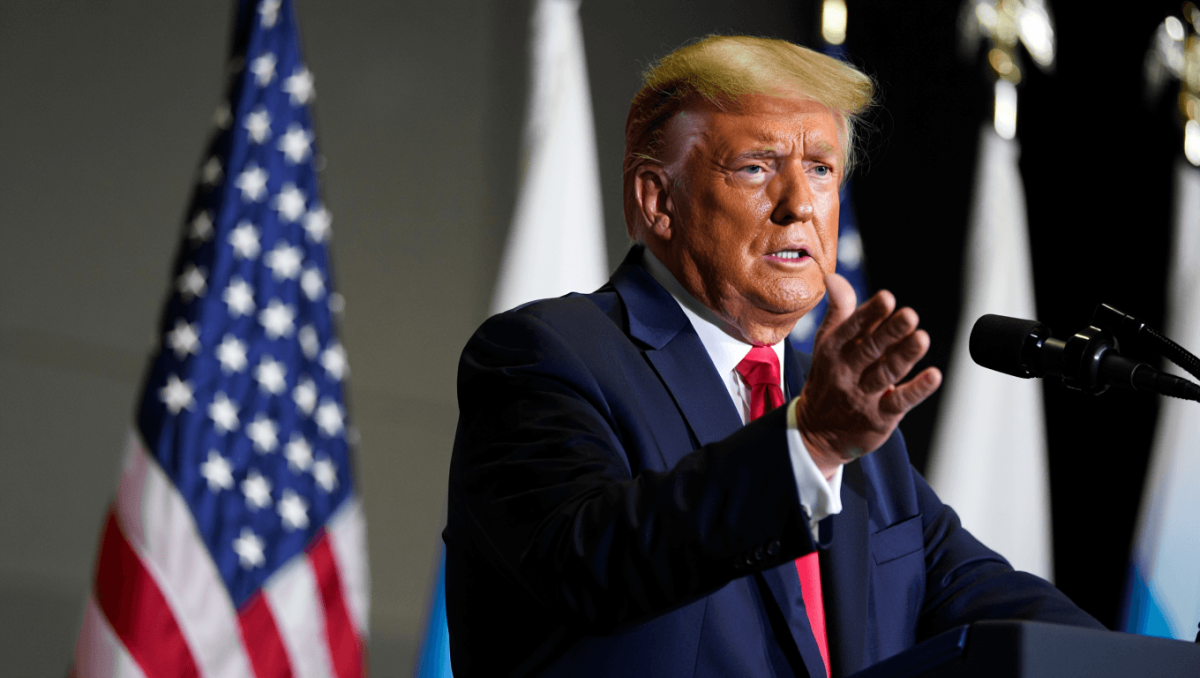
President Donald Trump said Saturday that a framework deal with Iran aimed at ending the ongoing conflict — including reopening the strategically vital Strait of Hormuz — has been “largely negotiated,” and that remaining details are being finalized. The announcement, made after a series of calls with Israel and other regional partners, raises immediate questions about energy markets, regional security and how any arrangement would be verified.
What Trump said and what remains unclear
“Final aspects and details of the Deal are currently being discussed, and will be announced shortly,” Trump said, characterizing the agreement as largely complete. He made the comment after contacting allies in the region, but provided no public timeline or text for the accord.
Christa Pike released from hospital after failed execution, attorneys say
Dolly Parton tribute drives Madonna Inn crowds: steakhouse unveils limited menu
Key specifics — including the mechanism for reopening the Strait of Hormuz, verification measures, and whether the agreement requires additional endorsements from regional governments or international bodies — have not been released. There was no immediate public confirmation from Iranian officials.
Why this matters now
The Strait of Hormuz is a global choke point: historically, roughly one-fifth of the world’s seaborne oil has passed through the channel. Any credible pledge to reopen it would have swift economic and strategic consequences, from easing shipping disruptions to altering short-term oil prices.
Beyond energy, a deal addressing hostilities with Iran would reshape military postures across the Gulf, affect Israel’s security calculations and influence the diplomatic relationships between the United States and Arab states that have been balancing cooperation and rivalry with Tehran.
- Global oil flows: Restoring free transit through the Strait would reduce immediate supply-side risk for international markets.
- Regional security: A formal halt to hostilities could lead to changes in naval deployments, but would depend on verification procedures.
- Diplomatic fallout: Neighboring states and Moscow, Beijing and European capitals will weigh in depending on the agreement’s terms.
- Commercial shipping: Insurers and shipping companies closely monitor any shift in threat levels through the Gulf and Gulf of Oman.
Markets typically move fast on such developments: even talk of an accord can lower risk premiums on energy and shipping. However, market responses will hinge on the credibility, scope and enforceability of the measures announced.
Next steps to watch
Officials said final details are still being negotiated. Watch for the following signals that would indicate the deal is real and durable:
- Publication of a joint statement or agreement text outlining commitments and timelines.
- Independent or third‑party verification arrangements, such as inspections or monitoring teams.
- Responses from Tehran — either confirmation, rejection or conditions attached to any pledge.
- Immediate changes in naval activity, shipping advisories or insurance rates for Gulf routes.
For now, the announcement is notable for its potential to shift both markets and geopolitics, but the absence of concrete terms means observers should treat the claim with caution until formal documents and outside confirmations appear.