Show summary Hide summary
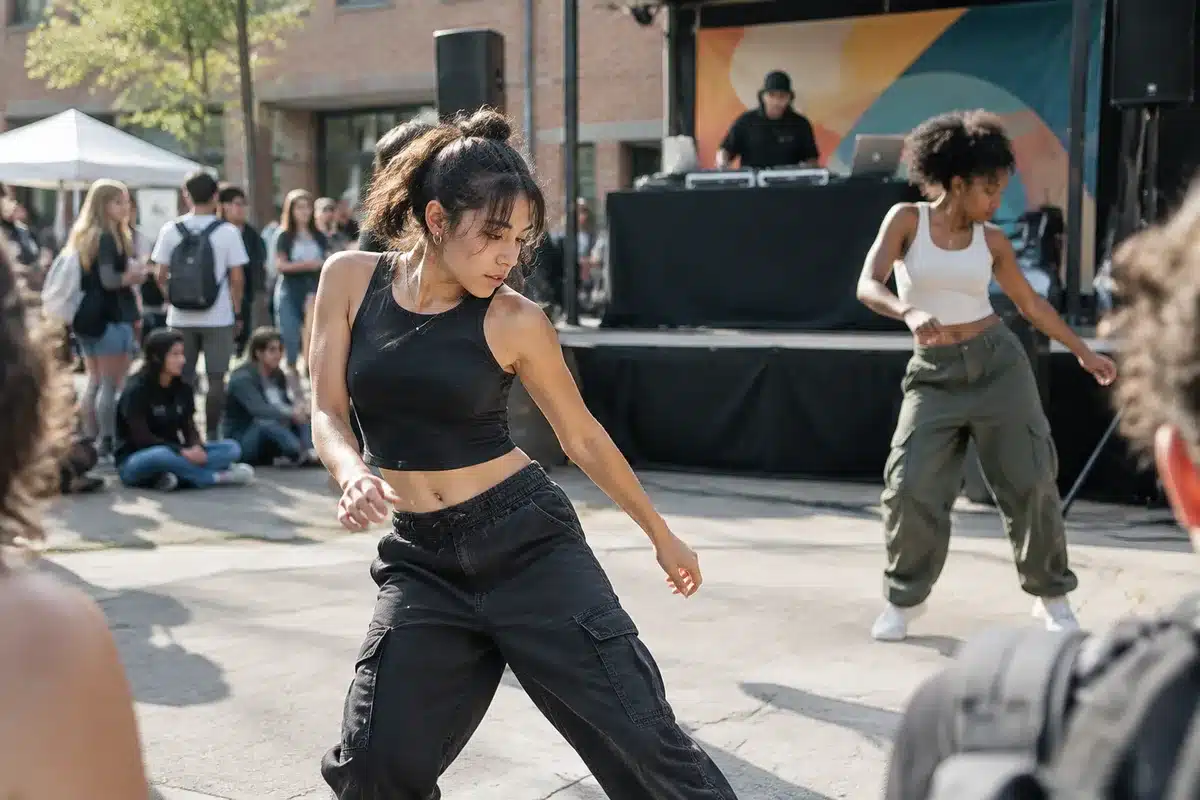
Cal Poly alumnus Bryan Lai returned to San Luis Obispo on Sept. 12 with Back2Bass Comeback, an evening that paired local DJs with campus dance groups and aimed to expand the town’s electronic music scene. The show served as both a performance platform and a community-building experiment, challenging SLO’s prevailing taste for house music by spotlighting other electronic subgenres and student talent.
What started as a series of house parties has evolved into a staged event featuring DJs, choreography and cross-campus collaboration. Lai, who launched the Back2Bass concept, intentionally recruited performers beyond the usual circuit — inviting student cultural and movement clubs to share the bill and help broaden the audience.
The night’s lineup and its aims
Performers included Cal Poly’s United Movement dance troupe working alongside several DJs, plus two rising local acts billing themselves as AC/JC (Aaron Caparac and Jeff Caceres). Organizers described the event as a showcase: a place where producers experimenting with layered, progressive sounds could reach listeners who might otherwise only hear standard house sets around town.
Ronald McDonald House OKC hits 68-room milestone: new CEO to lead expanded services
Powder mailed to officials before election: man charged after hundreds of letters
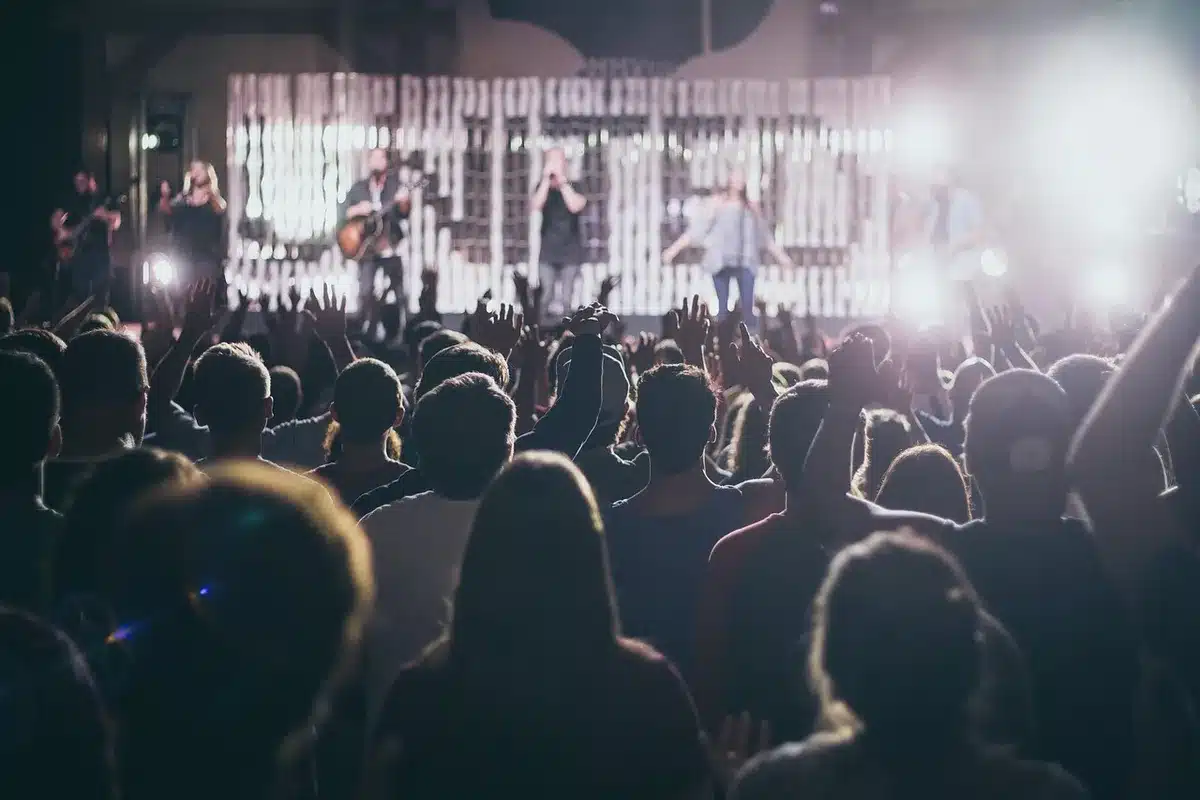
Back2Bass emphasized community over competition: organizers wanted a welcoming space where students and residents from different backgrounds could converge around music and dance.
- Performance mix: DJ sets, student dance routines and cultural-club appearances.
- Genre focus: A spotlight on progressive, layered electronic music rather than the dominant house sound in SLO.
- Artist development: Local DJs like AC/JC used the gig as a launchpad toward more formal careers.
- Campus engagement: United Movement and other clubs contributed choreography and helped draw a student audience.
Why progressive EDM matters here
Progressive electronic dance music unfolds more slowly and builds texture over time, a contrast with the immediate hooks of house. Lai said part of the event’s goal was to create room for those slower-building sets, giving producers a chance to develop a narrative across a set rather than conforming to what promoters typically book.
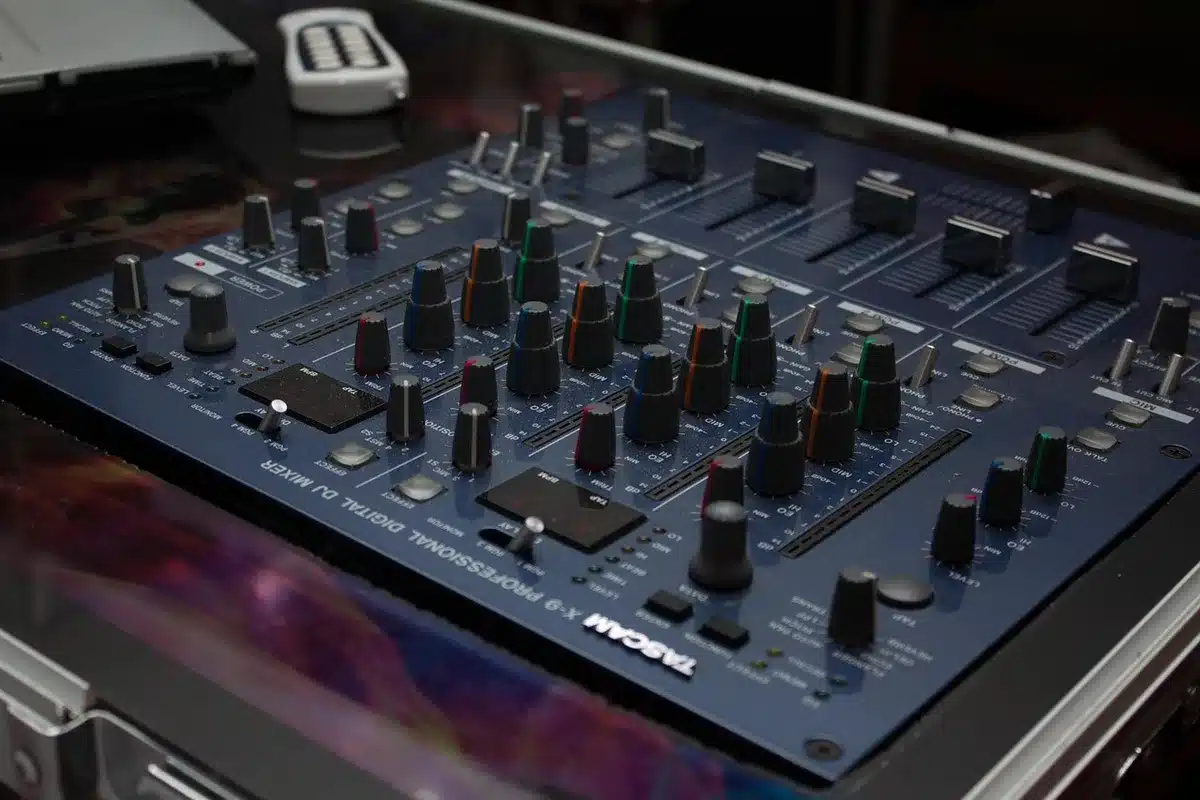
In a town where DJs and venues often favor house, introducing different subgenres can be risky but also generative: it creates new creative opportunities and gives student performers a broader musical context in which to collaborate.
United Movement’s president, Elise Donaho, framed dance as a social glue: bringing choreography and stagecraft to local shows helps make concerts more accessible and communal, she said, and gives student groups a chance to present their work outside campus-only settings.
What this means for SLO’s music scene
The event’s practical impact was immediate for some performers. For aspiring DJs like Caparac and Caceres, the slot marked a transition from hobby to professional pursuit; they described the night as a tangible step toward building a career in performance and production.
For the broader community, Back2Bass represents an experiment in diversifying entertainment offerings and strengthening ties between Cal Poly students and the downtown music ecosystem. If repeated, the format could nudge local booking practices and invite promoters to consider a wider range of electronic styles.
Lai said he plans to return to San Luis Obispo with the concept again, aiming to make the event a recurring fixture that continues to mix progressive EDM with student talent and local artists.