Show summary Hide summary
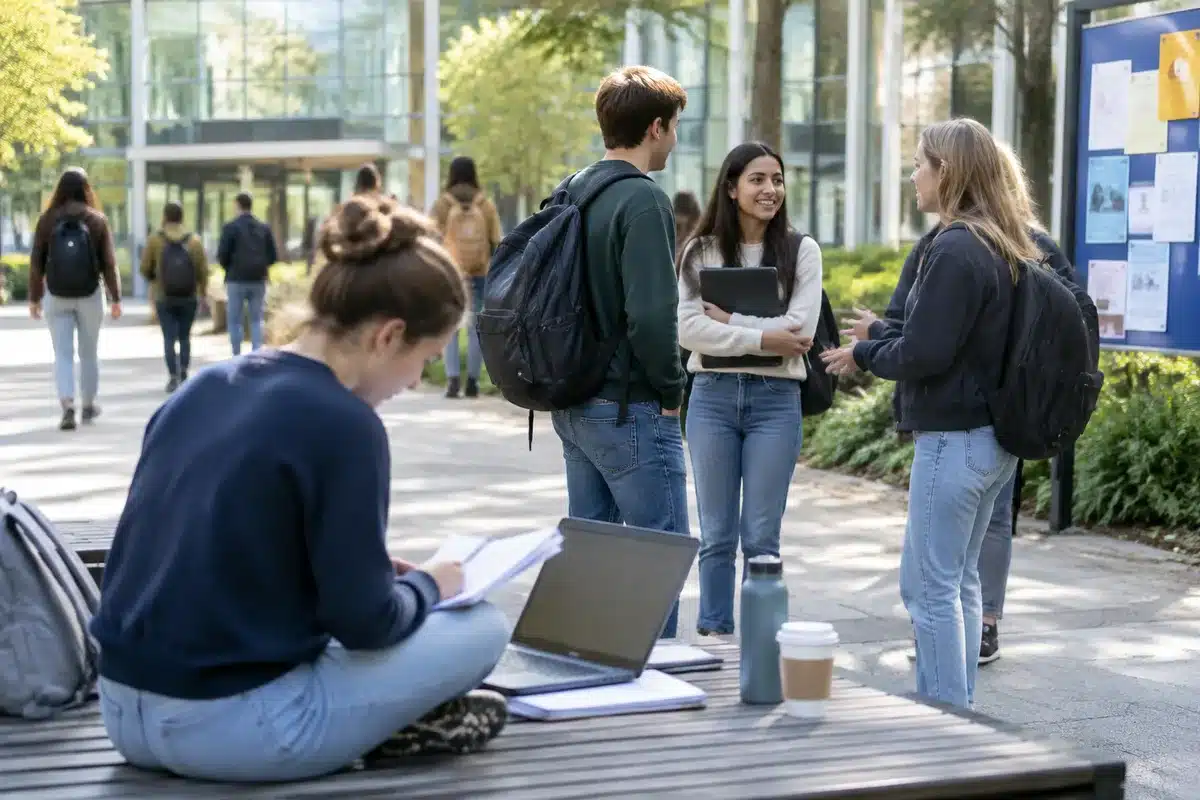
Sweltering temperatures on campus left at least one student fainting and many others struggling during in-person classes and lab shifts on Wednesday, Sept. 9, underscoring how limited cooling infrastructure can disrupt academic life. Cal Poly issued a safety alert and advised students to seek cooler spaces, but several classrooms and work areas remained uncomfortable or hot enough to affect attendance and productivity.
One reported fainting; broader discomfort across campus
University spokesperson Keegan Koberl confirmed to Mustang News that a single student lost consciousness during the heat event. No further injuries were reported, and campus officials urged anyone feeling ill to contact Campus Health and Wellbeing immediately and move to a cooler location.
Christa Pike released from hospital after failed execution, attorneys say
Dolly Parton tribute drives Madonna Inn crowds: steakhouse unveils limited menu

Although some instructors shifted sessions online, Cal Poly did not formally cancel in-person classes. That left students and staff to cope with rooms that, in many cases, lack mechanical cooling.
Students describe overheated classrooms and labs
English junior Anikah Sanders said most of her courses were switched to remote delivery, but one class in Engineering West (Building 21) met in person. The professor opened by acknowledging the heat and said students could step outside if needed, yet the lecture continued as scheduled.
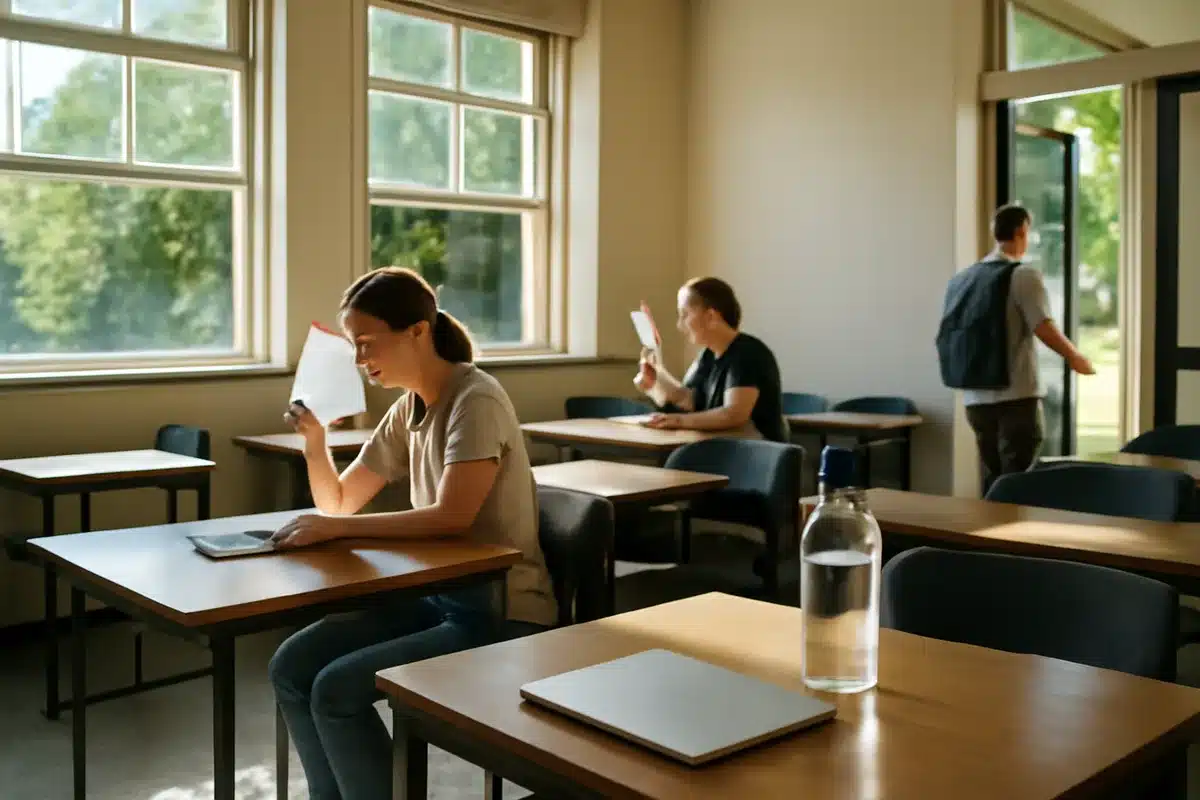
The classroom, Sanders said, “gets warm on a normal day,” and with only slightly opened windows and closed doors, the room provided little relief. Students fanned themselves and at least one person left the session due to the temperature.
Remi Licona, a marine science student who volunteers with the sea otter team in the Vertebrate Integrative Physiology lab, described similar conditions in Fisher Science. While some campus buildings are fully cooled, Licona said the lab spaces they used either lacked air conditioning or had only a faint airflow compared with the building corridors.
“It felt hotter inside than outside,” Licona recalled. They and a coworker had to pause several times during a shift because of fatigue from the heat, and the team left early for safety reasons.
Patchy cooling system: a campus-wide constraint
Cal Poly confirmed that only a limited number of buildings have full air conditioning; roughly 20 buildings are fully cooled, while others are partially cooled or rely on natural ventilation. That patchwork means indoor conditions can vary dramatically from room to room.

Experience and Industry Management junior Nico Campbell said their classroom in Erhart Agriculture (Building 10) felt hotter than the corridor, and students struggled to find working water fountains. Club meetings that took place in air-conditioned buildings or later in the day were noticeably more comfortable.
- Reported fainting: One student on Sept. 9.
- Cooling coverage: About 20 campus buildings fully air-conditioned; others partial or none.
- Administrative response: Cal Poly issued a Poly Alert advising hydration, breaks, and use of cooler indoor spaces.
- Instructional impact: Some professors moved sessions online but the university did not cancel in-person classes.
- Health guidance: Students told to contact Campus Health and Wellbeing for heat-related symptoms.
What this means for students and campus operations
For students, uneven cooling complicates daily routines—attending classes, doing lab work or meeting for clubs now requires planning around the most comfortable routes and spaces. Some reported taking longer routes through air-conditioned buildings or scheduling activities for cooler parts of the day to avoid overheating.
For administrators, the episode highlights the operational challenge of running a large campus with mixed-age facilities during extreme weather. As heat events become more frequent, decisions about scheduling, classroom assignments and investments in climate control will carry direct implications for safety, learning outcomes and staffing.
Cal Poly’s Poly Alert emphasized simple precautions—drink water, rest in cool areas and seek medical attention when necessary—but students and staff say physical upgrades or contingency plans may be needed to prevent future incidents that disrupt campus life.