Show summary Hide summary
Riversport OKC has quietly become one of the region’s most active rowing venues, hosting an array of crews from high-school novices to seasoned masters teams. As the competitive season resumes, the riverfront site—and the regattas it stages—are reshaping local sport, youth development and the city’s weekend economy.
How the river turned into a competitive hub
What began as weekend practices has grown into a calendar of events that draw visiting crews and college coaches. Improvements to the boathouse area and better course management have made the Oklahoma River more attractive for regional regattas and time trials, helping put Oklahoma City on the map for rowers across the Plains.
Honda recalls 800,000 vehicles for dangerous airbag inflators: owners told to stop driving
Cal Poly students stage walkout over Cal State OpenAI deal
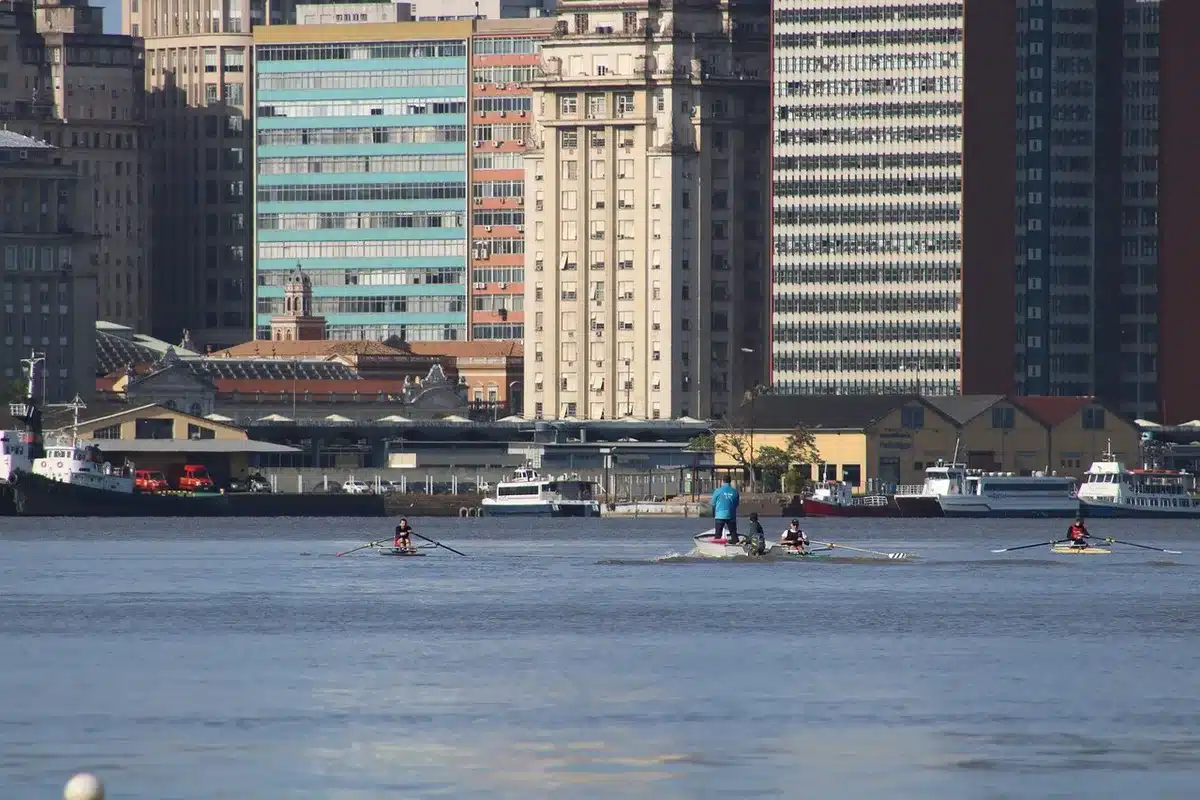
Beyond the competition itself, the site functions as a training center and a community space: walking paths, spectator areas and nearby amenities mean regattas now bring a mix of sport and local activity that was uncommon a few years ago.
Who competes here — a quick breakdown
- High school programs: Local schools use the river to introduce students to rowing and to field crews for regional meets.
- Collegiate teams: Nearby colleges bring crews for practice sessions and invitationals, using the river as a recruiting stage.
- Club and masters crews: Adult rowers—both competitive and recreational—fill early-morning lanes and return for weekend regattas.
- Adaptive and youth programs: Inclusive initiatives and junior camps have expanded participation and provided pathways into the sport.
Practical impacts for athletes and the city
For athletes, access to a reliable 2,000-meter course and year-round coaching options means better development and more visible opportunities for advancement. Youth athletes who train at Riversport OKC now face stiffer competition and gain exposure to college recruiters who travel to regional regattas.

On the municipal side, weekends with scheduled races draw out-of-town teams and families, increasing hotel bookings, restaurant visits and foot traffic in the Boathouse District. Those economic benefits, while modest compared with major pro sports, are steady and local—helping sustain small businesses that line the riverfront.
Trends shaping competitions in recent seasons
The competitive scene has shifted in several notable ways over the past few seasons:
- Participation has diversified: more women’s and adaptive entries reflect deliberate outreach and program funding.
- Event formats are more varied: sprint regattas, head races and championship days give crews multiple race experiences.
- Volunteer involvement has grown: local clubs and parents now run many support functions, from timing to safety launches.
Those trends are important because they change how organizers plan events and how athletes prepare. Greater inclusivity and professionalized race operations make the river a more competitive and welcoming venue.
Challenges under the surface
Rowing on an urban river is not without friction. Water levels, weather variability and the need for ongoing maintenance require constant coordination between sports organizers and city managers. Securing funding for facility upgrades and program subsidies remains an ongoing effort.
Environmental stewardship is another concern: organizers increasingly balance event growth with river health initiatives to protect wildlife and ensure safe conditions for athletes.
What to watch this season
Expect to see continued investment in youth development and adaptive rowing, and a fuller schedule of invitationals that attract crews from neighboring states. For local athletes, the immediate payoff is clearer competition pathways; for the city, the payoff is steady weekend economic activity and a stronger recreational identity.
Whether you’re a spectator curious about the sport or a coach plotting a season, Riversport OKC’s riverfront events now offer more depth and variety than before—making each regatta a small but visible marker of the sport’s growth in the region.