Show summary Hide summary
A gathering on a university campus intended to spotlight the experiences of two Israel Defense Forces veterans was interrupted by masked demonstrators on Sunday, turning a closed-room talk about combat and recovery into a flashpoint. The incident highlights how the Israel-Gaza war continues to surface sharply on U.S. campuses, forcing institutions to balance protest rights, safety and community contention.
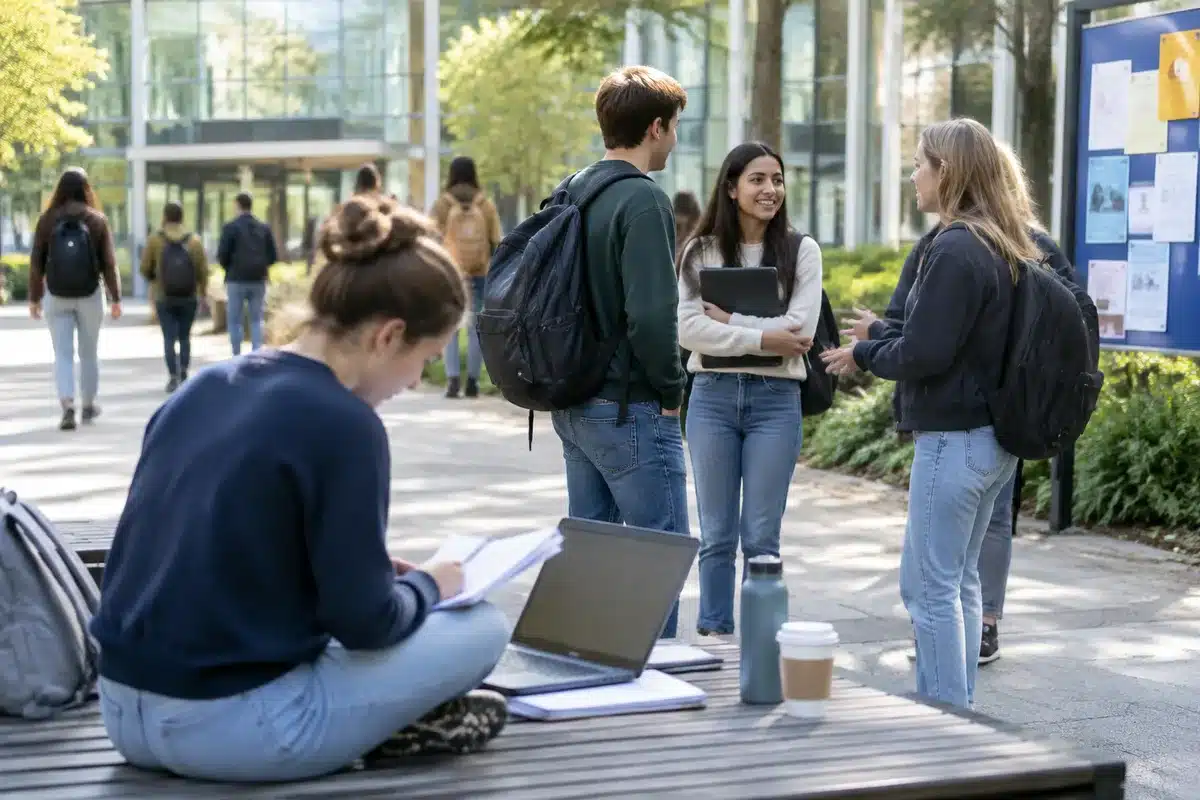
The event, organized by a student pro-Israel group with campus religious partners, drew roughly 40 students and community members. Speakers Eliyahu Green and Ariel Saat — both veterans who served after the Oct. 7, 2023 attacks — described front-line combat, post-combat trauma and the challenges of rebuilding civilian life. Their accounts were repeatedly punctuated by protesters who entered the room before the program began.
How the interruption unfolded
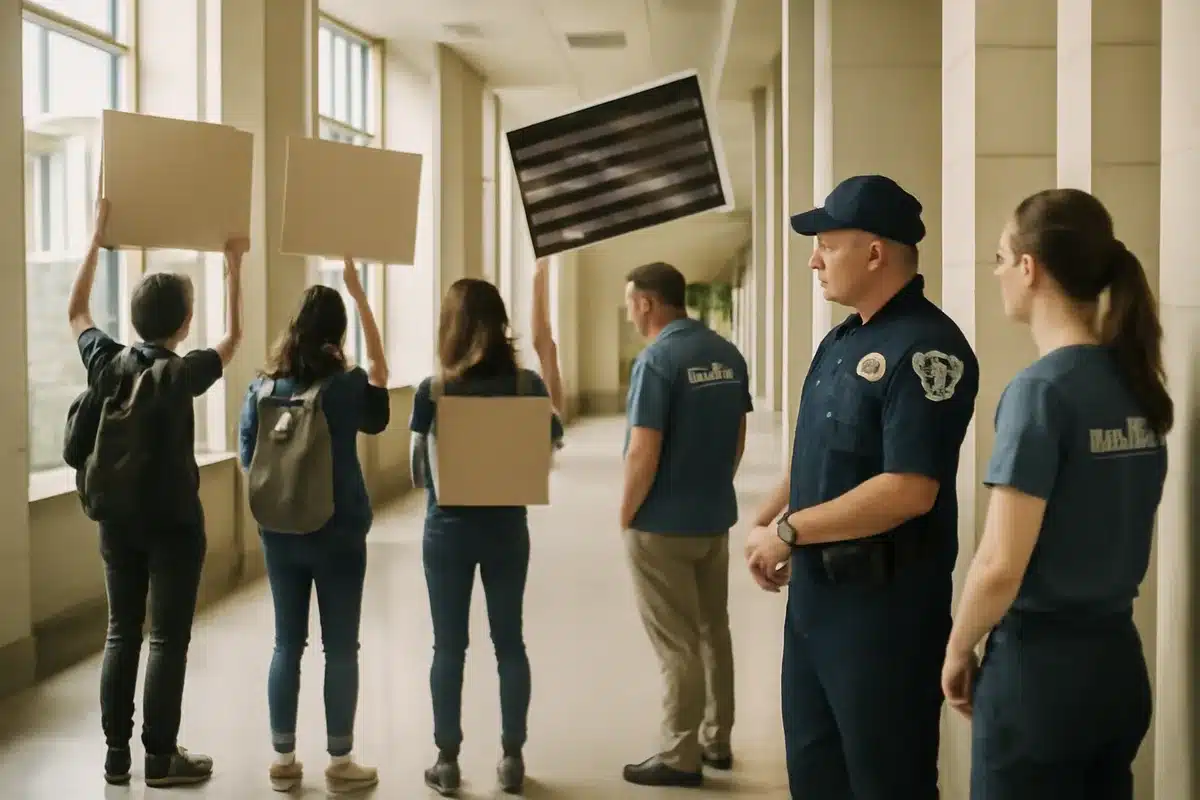
Nine individuals wearing face coverings entered the classroom holding signs and an altered flag. Messages on the posters accused the Israeli military of severe misconduct and referenced international criticism. Campus officers directed the group to leave the classroom on the grounds that their actions violated the university’s Time, Place and Manner policy; protesters relocated to a hallway and later to an outdoor area, chanting slogans as they went.
Christa Pike released from hospital after failed execution, attorneys say
Dolly Parton tribute drives Madonna Inn crowds: steakhouse unveils limited menu

Cal Poly police monitored the situation, joined by two campus peace ambassadors and a drone hovering above the building during the event. No arrests were reported, and the program proceeded after the demonstrators were moved outside.
Veterans’ testimony: combat and aftermath
Both speakers recounted experiences from the days and weeks following Oct. 7. Saat described serving at Kibbutz Kfar Aza and assisting in evacuations; he said a grenade blast during a house-clear left two soldiers severely wounded and that he killed an armed attacker while returning fire. He told the audience he later struggled with acute stress and symptoms consistent with PTSD.

Green, who served in an Israeli special unit and is now a medical student, said he cut short an overseas trip to return to duty and entered Gaza with his unit. He described being hit by flying debris from an explosion and later developing insomnia and anxiety related to that injury.
The event organizers framed the talks partly as efforts to raise awareness about veterans’ mental health needs and the psychological toll of combat. “Mental health and PTSD are not signs of weakness,” a student leader said, emphasizing the intent to give veteran voices a public platform.
Confrontation and civilian-casualty concerns
At the close of the presentations some protesters removed their masks and challenged the speakers directly, citing civilian deaths and damage to schools and hospitals in Gaza. Young attendees on both sides told reporters they came to witness different narratives: some to hear personal accounts of soldiering and resilience, others to call attention to the humanitarian impact of the wider conflict.
Students interviewed after the event expressed sharply different priorities: some described family ties to Israel and the importance of listening to veterans’ stories, while others pointed to international reports they say document large-scale harm to Palestinian civilians. A number of participants said they agreed that children’s deaths are tragic, but they disputed which sources and figures to trust.
- Event: “Rising to the Challenge,” co-hosted by Mustangs United for Israel and Cal Poly Chabad
- Attendance: About 40 students and community members
- Speakers: Ariel Saat and Eliyahu Green, IDF veterans
- Disruption: Nine masked protesters entered; later moved outside by campus police
- Campus response: Five officers, two peace ambassadors, and a drone were present
- Main issues raised: veterans’ mental health, battlefield experiences, civilian casualties in Gaza
Why this matters now
The incident is part of a broader pattern of heated campus debates over the Israel-Gaza war that touch on free expression, community safety and how universities enforce policies when events become contested. Administrators face immediate choices about allowing testimonies, protecting audiences and responding to disruptive demonstrations — decisions that affect campus climate and can draw outside scrutiny.
For students with family in the region or those engaged in advocacy, such events are not abstract: they shape emotional well-being, peer relationships and perceptions of institutional neutrality. The competing narratives offered in the same room — personal combat testimony versus protest claims about civilian harm — underscore how the conflict abroad continues to generate urgent local consequences.
Contributors: Seth Pintar and Samantha Hansen.
Editor’s note: this story was updated to correct a misspelled name and a caption.