Show summary Hide summary
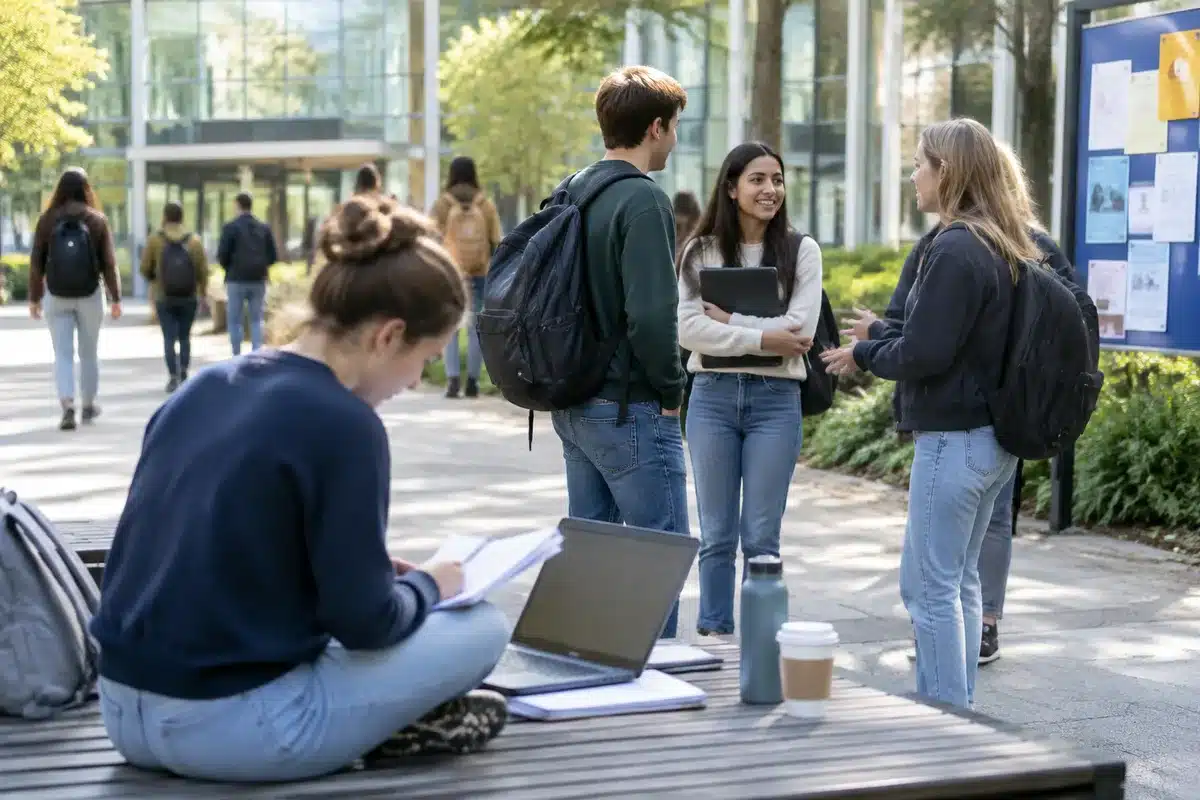
Younger Americans are being invited to step into the spotlight and outline the country they hope to lead. A new contest asks students to record a 2–3 minute inaugural address imagining themselves as president — a chance to shape public conversation as the nation marks its 250th anniversary.
USA TODAY and SUNN, a nonprofit that amplifies student journalism, are running the second installment in a three-part series of nonpartisan contests for middle and high school students. The initiative asks young people to translate their priorities — from education and climate to civic participation — into a speech intended for the nation.
How to enter and important dates
Christa Pike released from hospital after failed execution, attorneys say
Dolly Parton tribute drives Madonna Inn crowds: steakhouse unveils limited menu
Submissions open this fall and are limited to short video speeches and the corresponding written text.

- Submission window: Opens September 10, 2026 and closes at midnight Pacific on October 30, 2026.
- What to submit: A 2–3 minute video of the student delivering an inaugural presidential address PLUS the full speech text uploaded to the contest portal.
- Who is eligible: Students in grades 5–12. For entrants aged 12 and under, a parent or guardian must complete the submission.
- Judging categories: Middle school and high school divisions.
- Prizes:
- 1st place — $1,000
- 2nd place — $750
- 3rd place — $500
Entries will be evaluated by a panel of creators, civic leaders and educators. Judges are looking for clear thinking and persuasive proposals — not just performance: submissions should show evidence, offer solutions and aim to bring people together across differences.
Why inaugural addresses matter
From George Washington onward, inaugural speeches serve a specific civic role: they announce priorities but also attempt to unify a diverse electorate. A strong inaugural line can frame a presidency and stick in the national memory.
Famous passages—like John F. Kennedy’s plea to “ask not what your country can do for you…” or President Barack Obama’s reflections on carrying forward equality and opportunity—have motivated careers in public service and shaped civic debate long after the ceremonies ended. Those moments show how language can move people to action or to rethink shared commitments.
For young speakers, the genre is a useful exercise in translating values into policy and in addressing both supporters and skeptics. Crafting an inaugural address forces a student to identify priorities, anticipate trade-offs and explain how their plans would affect everyday life.
What this means now
At a time when political conversations are often fragmented, the contest asks the next generation to practice persuasive civic communication. Their speeches could influence peers, teachers and local leaders — and they offer adults a rare, direct window into young Americans’ hopes and concerns.
Submissions will also help educators test classroom approaches to civic learning: the assignment blends research, rhetoric and media skills in a compact, real-world prompt.
This nonpartisan contest is less about winning and more about listening. By giving students a platform, organizers say they aim to surface fresh ideas and encourage broader civic engagement ahead of the coming presidential cycle.