Show summary Hide summary
This spring, the Oklahoma City Zoo has become a hub for new life: several young animals are now growing under the care of keepers, giving visitors a rare look at early development and underscoring the zoo’s role in conservation and education. These arrivals are notable not just for their appeal but for the tangible ways they support species programs and local outreach.
New arrivals and where to find them
| Species | Arrival period | Viewing area | Conservation note |
|---|---|---|---|
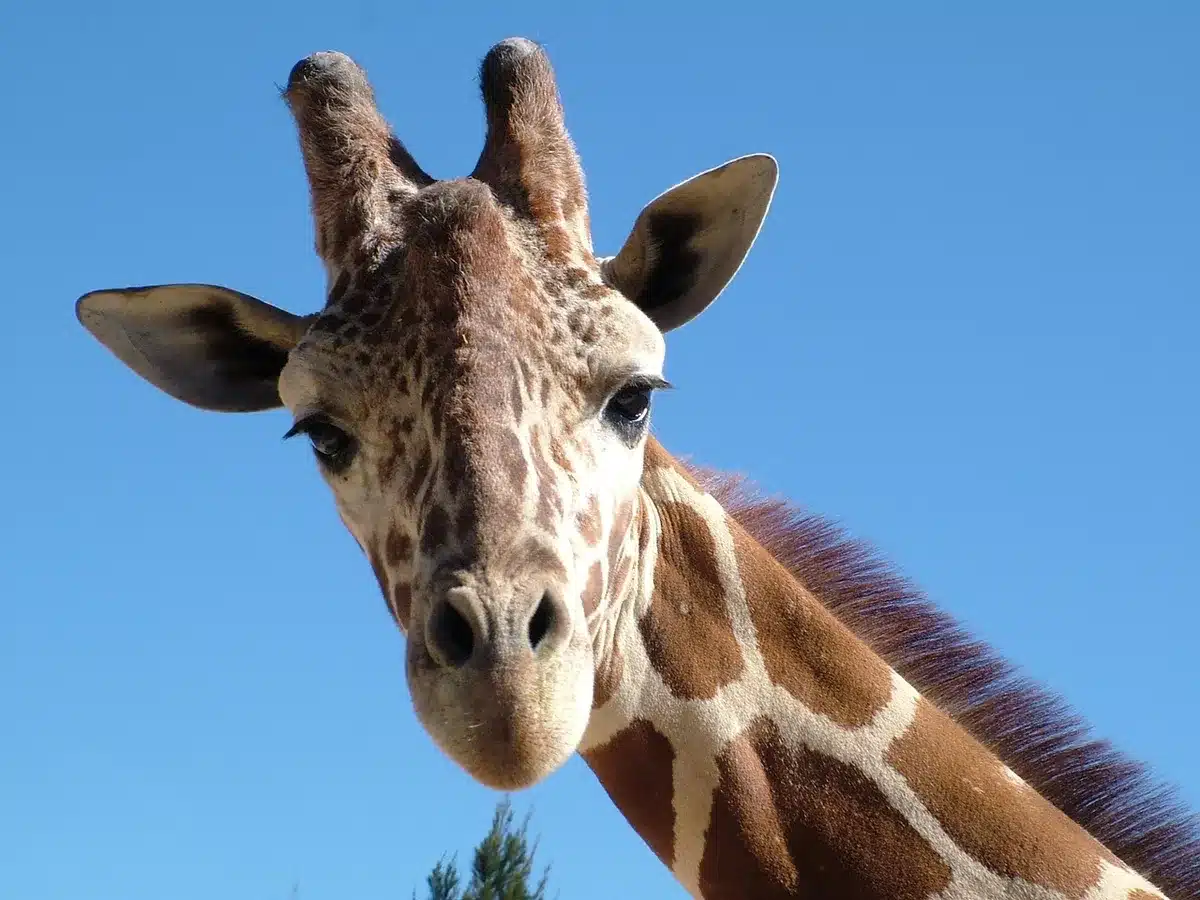
| Giraffe calf | Early spring | Savanna habitat | Part of managed breeding efforts |
| Penguin chick | Late winter | Aquatic exhibit (behind-glass) | Helps monitor population health |
| Otter pup | Recent weeks | Riverbank enclosure | Educational ambassador for waterways |
| Red panda cub | This spring | Temperate forest area (limited viewing) | Species of conservation concern |
Some of the youngest animals are already visible to guests; others remain in quieter, behind-the-scenes areas while they build strength. Keepers rotate viewing schedules to balance public interest with the animals’ need for undisturbed growth.
Why these births matter now
On the surface, baby animals draw crowds and create social-media moments. The deeper significance is practical: successful births contribute to long-term population stability for species managed by zoos and provide live case studies for veterinary teams and researchers.
For example, tracking feeding patterns, weight gain and behavior in the first months yields data that improves husbandry practices elsewhere. That information can influence decisions in other accredited institutions and in field conservation projects.
What visitors should know before they go
- Viewing windows and times can change — some offspring are kept off public display for health or bonding reasons.
- Photo etiquette: flashes and loud noises can stress young animals; quiet observation is encouraged.
- Educational programming and keeper talks often highlight developmental milestones — these are useful for families and students.
Arrivals also affect daily operations. Staff allocate extra veterinary time for newborn care, adjust diets, and sometimes redesign parts of an enclosure to allow safe mother-offspring interaction. Those changes are subtle to most guests but key to ensuring healthy growth.
Behind the scenes: care and conservation
Raising a juvenile in a managed setting involves a multidisciplinary effort. Nutritionists devise formula and weaning plans, veterinarians conduct regular wellness checks, and behavioral specialists create enrichment that encourages natural activity without undue risk.
These practices support two goals at once: the immediate health of the young animals and the zoo’s broader mission to contribute to species survival. When a birth occurs within an accredited breeding program, it often feeds into coordinated exchanges, genetics tracking and public education campaigns.
In practical terms, that work means some animals will eventually move to other institutions as part of recommended pairings, while others may remain as long-term exhibit animals and teaching ambassadors.
Looking ahead
As the season progresses, keepers will monitor growth benchmarks and update public-facing channels with viewing availability and educational events. Those updates matter for families planning visits and for researchers tracking population trends across zoos.
For now, the new arrivals at the Oklahoma City Zoo offer more than a cute photo op: they provide a living glimpse into the complexities of animal care and the concrete ways modern zoos contribute to conservation science.