Show summary Hide summary
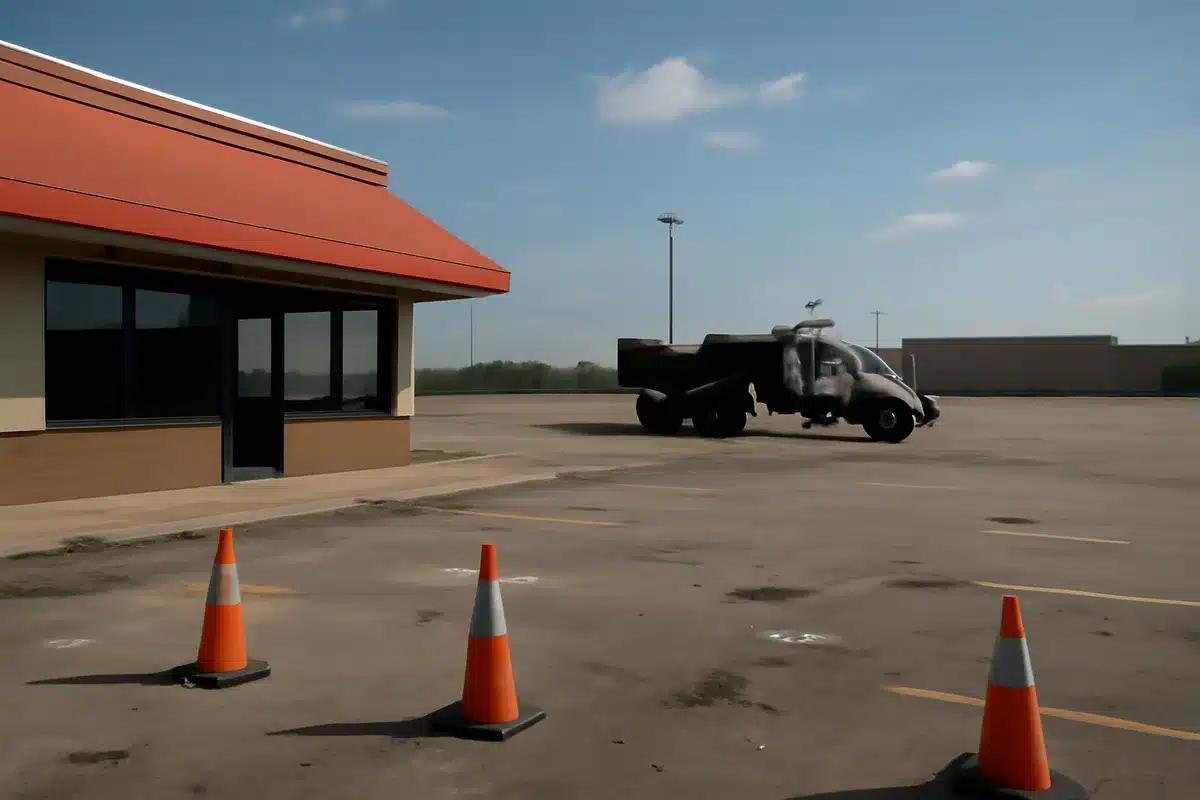
Crews have begun tearing down an abandoned Whataburger at the Heritage Park Mall property, a visible first step in a long-stalled cleanup of a site that neighbors say has dragged down the surrounding area for years. The pad demolition is immediate, but the larger mall removal remains on hold as a legal dispute and leftover debris complicate plans.
The demolition work at the former fast-food site in Midwest City started this week after the city took control of the property earlier in 2026. Officials say the action clears one small but symbolic obstacle; clearing the mall itself will take more time and coordination.
Christa Pike released from hospital after failed execution, attorneys say
Dolly Parton tribute drives Madonna Inn crowds: steakhouse unveils limited menu
How the project reached this point
The property changed hands in February following a lengthy eminent-domain process. For more than a decade the city pressed for repairs and cleanup as the aging 1978 mall accumulated more than 150 code complaints amid fires, plumbing failures and vandalism. The mall has been closed since 2010.
The previous owner, Ahmad Bahreini, was given a deadline earlier this summer to remove stored materials — including HVAC units, construction supplies and other debris — and received a subsequent extension. City officials say those items remained in place as of late August, prompting warnings that the contents will be hauled away and discarded if not removed by Tuesday, Sept. 1, 2026.
Bahreini has filed a new action in state district court seeking an additional 90-day reprieve, the city says. Municipal attorneys are reviewing that filing and expect to respond through outside counsel.
What crews are doing now — and what remains
Demolition crews focused first on the Whataburger pad in the mall parking area because of utility coordination and ownership-transfer issues, according to Don Maisch, attorney for the Midwest City Urban Renewal Authority. He said the rest of the site will have to wait for utilities to be fully reclassified and for remaining legal hurdles to be resolved.
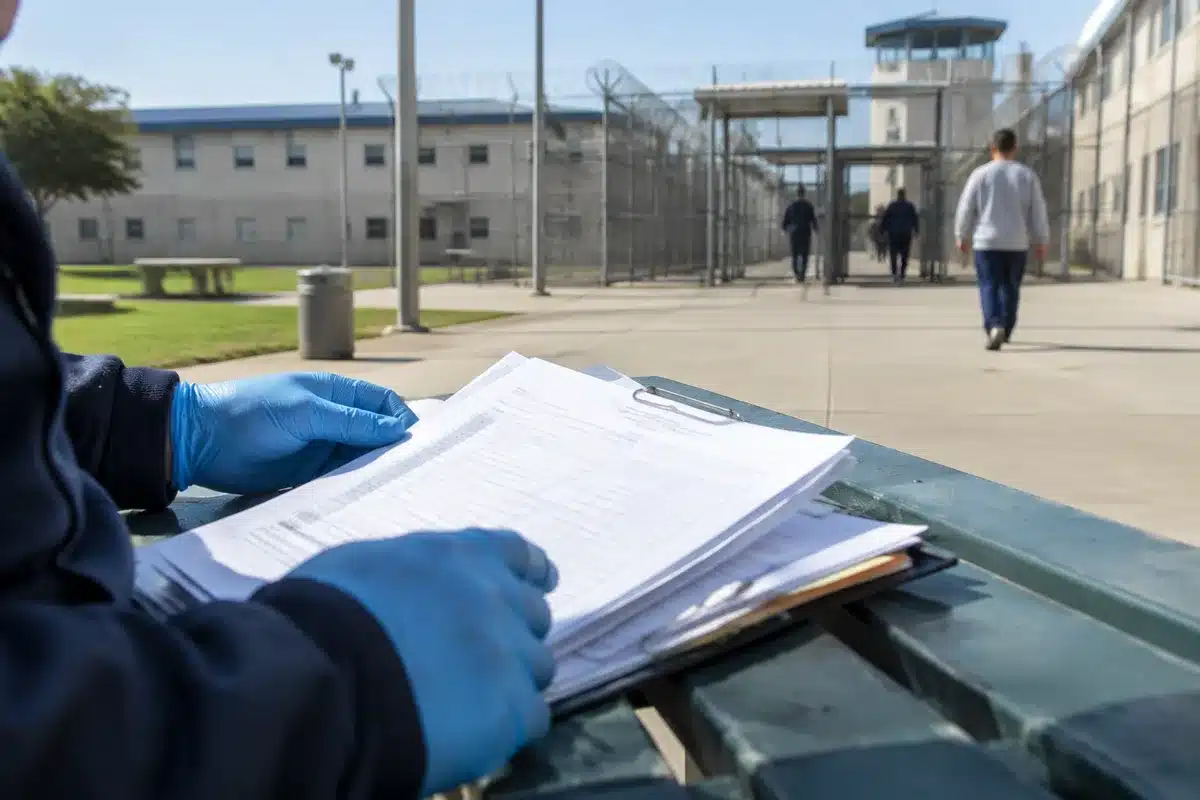
Authorities also reported a security incident last weekend: three adults and one juvenile were arrested after being found inside the vacant mall, which is now monitored by the urban renewal authority.
Contracting and protective measures
The urban renewal authority has contracted A.C. Construction to manage the mall demolition with the aim of preventing collateral damage to neighboring structures. Officials stressed that the former Dillard’s building, where Life Church now meets, was constructed as a separate structure with its own firewall and should be spared significant impact.
Other nearby businesses, including Pelican’s Restaurant and Becker’s Automotive, are not scheduled to be affected by demolition work.
Timeline and key dates
- 1978 — Heritage Park Mall originally built.
- 2010 — Mall closed to the public.
- Feb. 2026 — City assumed control of the property after eminent-domain proceedings.
- Late August 2026 — Demolition begins at abandoned Whataburger pad site.
- Sept. 1, 2026 — Deadline for property owner to remove abandoned contents, or city will discard them.
- Late winter/early spring 2027 (target) — Authority’s current optimistic window for beginning mall demolition, pending legal and logistical hurdles.
Maisch urged caution about the schedule, saying earlier forecasts have slipped and that demolition of the mall proper will only proceed once the site is cleared and remaining obstacles are handled. His latest expectation pushes the start toward late winter or early spring of 2027, assuming no new delays.
Why this matters now
For neighbors and local businesses, removal of the derelict structures is about safety and economic revival as much as aesthetics. The site’s longstanding code violations and intermittent trespassing have been a recurring concern for residents; successful demolition and redevelopment could remove blight and open opportunities for new investment.
The next few weeks will be decisive: if the abandoned materials are not cleared by the Sept. 1 deadline and the court does not grant extra time, the city will proceed to dispose of the items and push forward with cleanup steps that set the stage for eventual demolition and redevelopment.