Show summary Hide summary
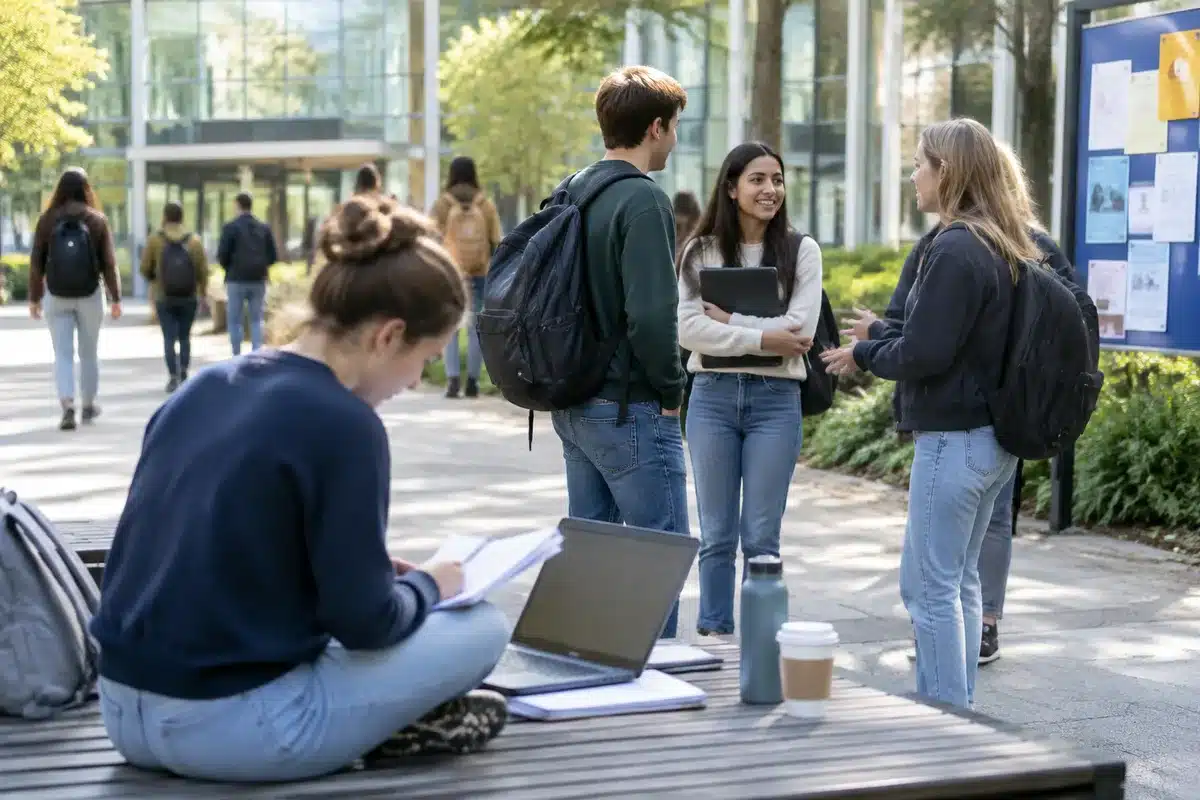
This spring at Cal Poly, an increasing number of students are tracing the line between faith and politics — and choosing to let one inform the other. That convergence is reshaping campus clubs, worship nights and how young voters see public life.
For graduate student Andrew Jones, the shift began in a quiet moment behind the wheel. Overwhelmed by college pressures and future decisions, he turned off his radio and prayed, a gesture that he says changed how he approaches stress and public engagement.
Christa Pike released from hospital after failed execution, attorneys say
Dolly Parton tribute drives Madonna Inn crowds: steakhouse unveils limited menu
Faith that guides day-to-day choices
Jones, a mechanical engineering graduate and vice president of Cal Poly’s chapter of Turning Point USA, says faith is central to his identity and often steers the political conversations he brings to the club. The chapter staged a debate-style “Prove Me Wrong” event in early May where a speaker framed arguments using scripture and Christian language — a format Jones and other members say merges theological conviction with policy debate.

That blending mirrors broader national trends. Surveys from organizations such as Pew Research indicate that many Americans now connect Christian identity more closely with conservative politics than in previous decades. On campus, students report that religious belief plays a role in which groups they join and how they talk about civic issues.
Where students gather
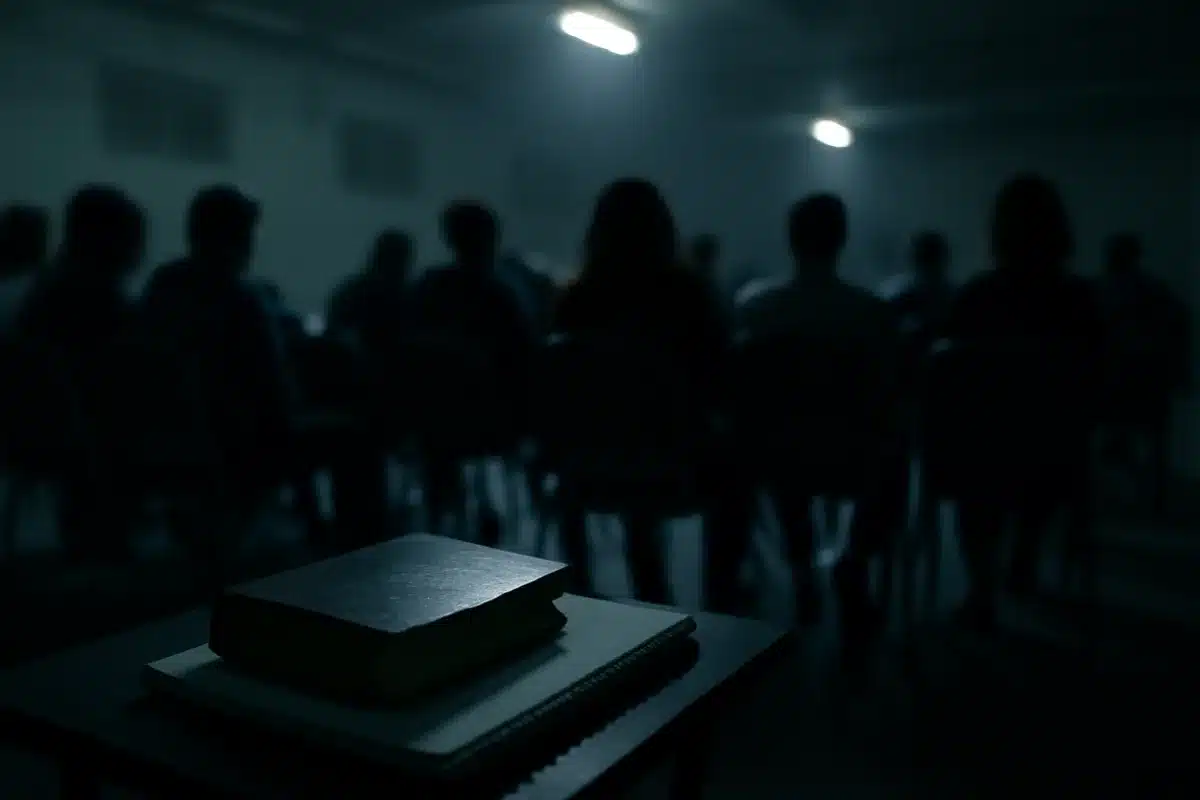
On Tuesday evenings downtown, dozens of Cal Poly and Cuesta students head to a local church for “Grace College” nights, hosted by Grace Central Coast. The meetings mix worship, small-group discussion and teaching from a college pastor. Attendees bring Bibles and notebooks; some say they find both spiritual community and a space to talk about contemporary political questions.

Kylie Schieferle, who leads worship at the church and studies materials engineering at Cal Poly, says the gatherings are not designed to shield students from difficult topics. “We talk about real issues,” she says, noting that the group welcomes questions and debate — including conversations that arose after high-profile controversies around national conservative figures.
Students navigate politics on their own terms
Not all who attend churches on the Central Coast identify with the same party. Aubrey Perez, a senior in mechanical engineering raised in a politically divided family, says worship shaped her priorities even as it led her to step back from strict partisanship. She remains registered as a Republican but describes her approach to politics as cautious and faith-informed rather than doctrinaire.
Other students involved in Christian campus organizations like Cru see no contradiction between religious devotion and political activism. Events this spring — including a multi-chapter prayer and worship night that drew nearly 200 students — illustrate how faith-based networks are mobilizing on campus for fellowship and civic engagement.
- Community building: Churches and faith groups provide social support, mentoring and a sense of belonging for students away from home.
- Political identity: For some, religious belief strengthens conservative views; for others it prompts a more nonpartisan or issue-focused stance.
- Campus life: Religious groups influence club programming, speaker choices and the topics debated at student forums.
- Voter behavior: Faith communities can shape how students approach elections and public policy discussions.
What this means beyond campus
Experts warn that when religious belief becomes closely aligned with a single political movement, it can change public discourse and civic norms. David Albertson, a scholar of religion and philosophy, traces the connection between faith and conservative politics back decades and says recent national events have reinforced that bond for some Americans.
On the ground at Cal Poly, students describe a range of responses: some embrace the overlap between faith and conservative activism, others use their religion as a check on partisan extremes, and many simply seek a community where moral questions can be discussed openly.
For readers interested in how generational change affects politics, the campus scene offers a live case study: a microcosm where worship, leadership training and political organizing intersect — sometimes comfortably, sometimes contentiously — and where the stakes include not just votes but the social fabric of student life.
Voices from campus
Jones says his faith motivates his public engagement: he wants religious values to be represented responsibly where politics and campus life meet. “Believing in Jesus changed how I make decisions,” he says, adding that his spiritual convictions now inform how he participates in student government and debate.
Ryan Rundle, president of the campus TPUSA chapter, describes a similar goal: to ensure any Christian representation in conservative spaces reflects what he calls a respectful and ethical witness rather than a partisan caricature.
As college communities nationwide consider the role of religion in public life, Cal Poly students illustrate the varied ways faith can shape identity, influence political views and sustain social networks.