Show summary Hide summary
Property owners along Meridian Avenue are considering a new Business Improvement District aimed at funding targeted upgrades to the corridor that links OKC Fair Park with Will Rogers International Airport. Supporters say the move comes at a pivotal moment as major public investments and the approach of the 2028 Olympics are set to bring more visitors and attention to the area.
The proposed district would run from Reno Avenue south to SW 30th Street and is designed to create a dedicated revenue stream for corridor-specific projects. Organizers must secure backing from owners of more than 51% of the land area inside the boundary to formalize the BID.
What the BID would fund
Christa Pike released from hospital after failed execution, attorneys say
Dolly Parton tribute drives Madonna Inn crowds: steakhouse unveils limited menu
Officials estimate the new district could generate roughly $300,000 in its first year through assessments tied to property values. Those funds would be additive to municipal services—intended to address needs that fall outside routine city maintenance.
- Enhanced security and supplemental patrols
- Landscaping, streetscape and façade improvements
- Ongoing maintenance and litter control
- Wayfinding, signage and a stronger visual identity
- Marketing to attract visitors and conventions
- Targeted code enforcement and capital projects
City staff and elected leaders are participating in planning meetings with property owners and business representatives to ensure any BID activities coordinate with existing municipal services.
Why timing matters
Public and private spending in the corridor has increased recently, including a multimillion-dollar investment in a new events facility at Fair Park. Oklahoma City will also host international competitors and fans during the LA28 Olympic Games, when canoe slalom and softball events will draw visitors who may pass through Meridian on their way to hotels or the airport.
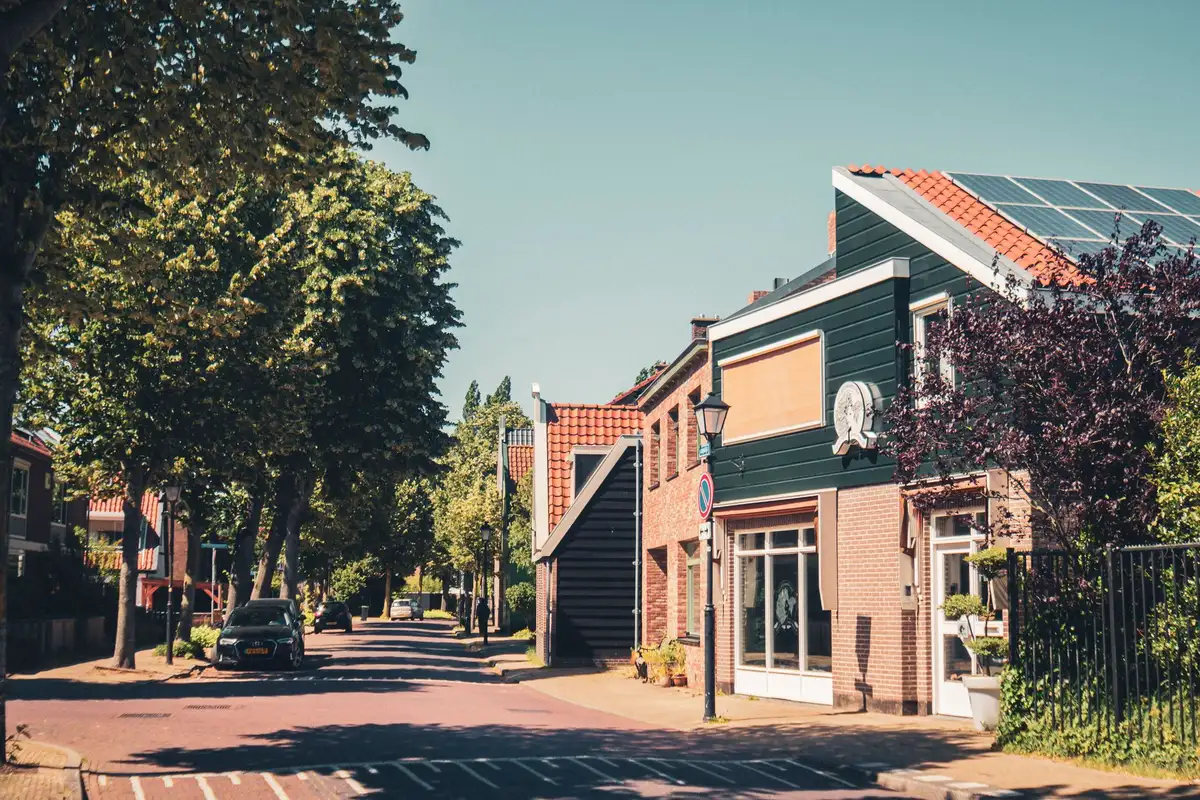
Supporters argue that cleaner, safer streets and clearer wayfinding can shape visitors’ first impressions and support local hospitality businesses. Property owners see a practical upside: stabilizing or improving the marketability of their investments and addressing chronic issues such as vacant lots and worn façades.
Local business leaders have voiced support, noting that coordinated corridor improvements could reduce private security costs and make shopping and family visits more comfortable for customers.
Precedents and local examples
Oklahoma City already uses similar tools elsewhere. In Stockyards City, an Urban Main Street program operates alongside a Business Improvement District to combine community-focused revitalization with a mechanism for steady funding. Planners say that pairing local vision with a predictable revenue source can accelerate visible results.
Debbie Harrison, who leads the Stockyards effort, has described how the Main Street framework preserves local character while a BID supplies money to maintain safety and long-term vitality—a model Meridian backers cite as instructive.
Next steps and implications
The organizing group is collecting signatures from property owners inside the proposed boundary and will continue the petition drive until the required approval threshold is met. If successful, the BID would begin collecting assessments and directing projects chosen by district stakeholders.
For property owners and residents, the immediate consequence would be a new avenue to prioritize improvements specific to Meridian—ranging from security and cleanliness to targeted capital work—without supplanting existing city services. Over time, advocates say, a well-managed BID could help position the corridor for sustained economic activity linked to events, travel, and local commerce.
For more information, property owners can contact Debi Martin, chief of staff to the City Council, to learn about the petition process and proposed district boundaries.