Show summary Hide summary
Tanner Schinderle’s campaign for Cal Poly’s student government ended in a decisive win, but the months leading up to election night were shaped less by slogans than by long days on campus and a clear sense of purpose. His victory signals continuity for student-run services and a renewed focus on affordability and campus resources at a moment when transportation and access are top concerns for undergraduates.
From intent to campaign
Schinderle, who served two years in Associated Students, Inc., says the decision to run crystallized last fall when he asked himself what he wanted to change for students. That clarity drove his message: scale up successful programs and make sure students know they exist.
Christa Pike released from hospital after failed execution, attorneys say
Dolly Parton tribute drives Madonna Inn crowds: steakhouse unveils limited menu
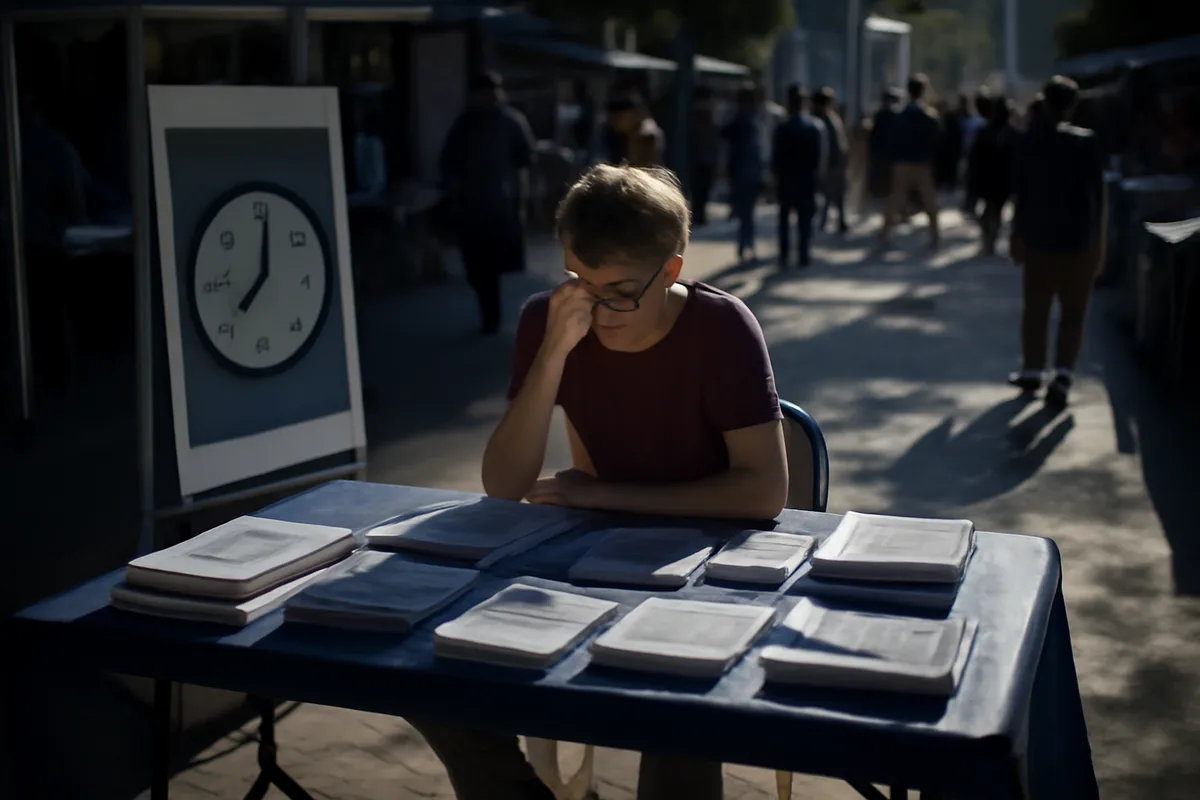
He assembled a core team of five to handle creative work, club outreach and logistics, then expanded to a 35-person campaign staff during the final push. The campaign used a retro-themed “Time for Tanner” identity, leaning on clock imagery to convey momentum.
Daily grind: booths, social media and classwork
Active campaigning meant long shifts on campus. Schinderle says he often stood at his table for more than 13 hours a day, moving between the 1901 Marketplace, the University Union, Kennedy Library and student club spaces to talk directly with voters.
At the same time he kept his course load intentionally light—12 units—to manage the schedule. He still had to juggle academics and campaigning; a midterm landed two days after the race was called.
Digital outreach complemented in-person contact. The campaign reserved the Instagram handle weeks in advance and kept it private until launch, with posts and bios drafted ahead of time. Weekly planning sessions helped avoid oversights and keep messaging consistent.
Debate prep and core platforms
When the debate arrived, Schinderle distilled his priorities into quick, 90-second answers. He framed his candidacy around four central themes: affordability, access to resources, community engagement and elevating student voices.

- Affordability — reducing cost burdens and improving access to essentials.
- Resources — expanding services such as transportation and campus programs.
- Community action — building collaborative solutions with student groups.
- Student voices — ensuring diverse campus perspectives shape policy.
Schinderle highlighted the ASI-run Grocery Shuttle as an example of a student-facing program he intends to preserve and grow, citing complaints about long off-campus trips and a demand for more direct transportation options.
| Candidate | Major / Year | Votes |
|---|---|---|
| Tanner Schinderle | Undeclared / ASI leader | 4,103 |
| Caleb Shick | Business administration, junior | 269 |
Representing campuses beyond SLO
Schinderle also emphasized the need to serve students who aren’t on the San Luis Obispo campus. With other Cal Poly locations roughly 200 miles away, he said his office must respect distinct campus cultures while making sure those students’ concerns shape ASI policy.
“My responsibility will be to make sure the voices of each campus are heard,” he said, stressing a balance of unity and respect for local differences.
What winning means now
The election wrapped up two weeks of intense outreach. In his first hours as president-elect Schinderle thanked the volunteers who staffed his campaign, describing their commitment as central to the win.
Before his term begins on the last day of spring quarter, Schinderle has scheduled meetings with the ASI executive director and the outgoing president to assemble a new chief of staff and executive cabinet. Those early administrative steps will set priorities for the year ahead.
He offered a piece of practical advice for future student leaders: meet students where they are, build a platform people can believe in and keep a genuine affection for the campus community.
Why it matters now: student government decisions influence day‑to‑day services—from transit times to grocery access—and leadership changes affect how visible those services become to the wider student body. Schinderle’s win promises continuity for existing programs while pushing for clearer communication and shorter transit times, issues that many undergraduates say directly affect their campus experience.