Show summary Hide summary
The Toy and Action Figure Museum in Pauls Valley is opening its doors for a final wave of visitors after museum management announced plans to close later this year, turning what was a quiet roadside attraction into a brief, urgent destination for collectors and families. For anyone who grew up with plastic heroes on the living-room floor, this is a rare chance to see a large, eclectic collection assembled over decades before it disappears from public view.
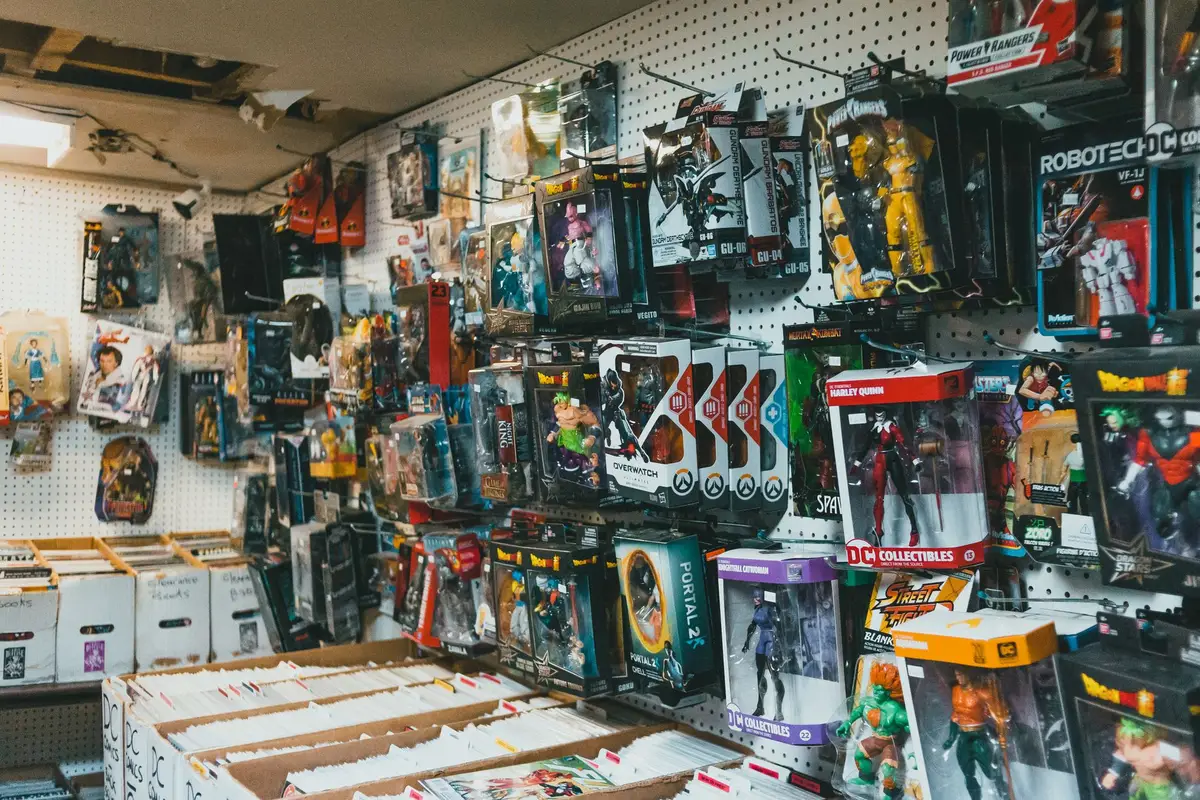
Housed in a small, unassuming building in downtown Pauls Valley, the museum is known for dense, nostalgically staged displays rather than glossy exhibit design. Shelves and cases cram decades of pop‑culture history into compact rooms, so a short visit can feel like stepping into a childhood memory—complete with the kinds of action figures, boxed toys and merchandising oddities that usually live on collectors’ shelves or in attics.
Why this matters now: small, specialist museums often rely on volunteer labor, ticket sales and local support, and when they close their collections can be dispersed to private buyers or auction houses, removing public access to cultural artifacts. For local tourism, a closure means losing a curiosity that drew weekend visitors and supplemented other attractions in Garvin County.
Christa Pike released from hospital after failed execution, attorneys say
Dolly Parton tribute drives Madonna Inn crowds: steakhouse unveils limited menu
What to expect on a visit
The museum’s layout is intimate and dense; you’ll move slowly from case to case. Plan at least 45–60 minutes to take in the main rooms, more if you want to photograph displays or read the small labels.
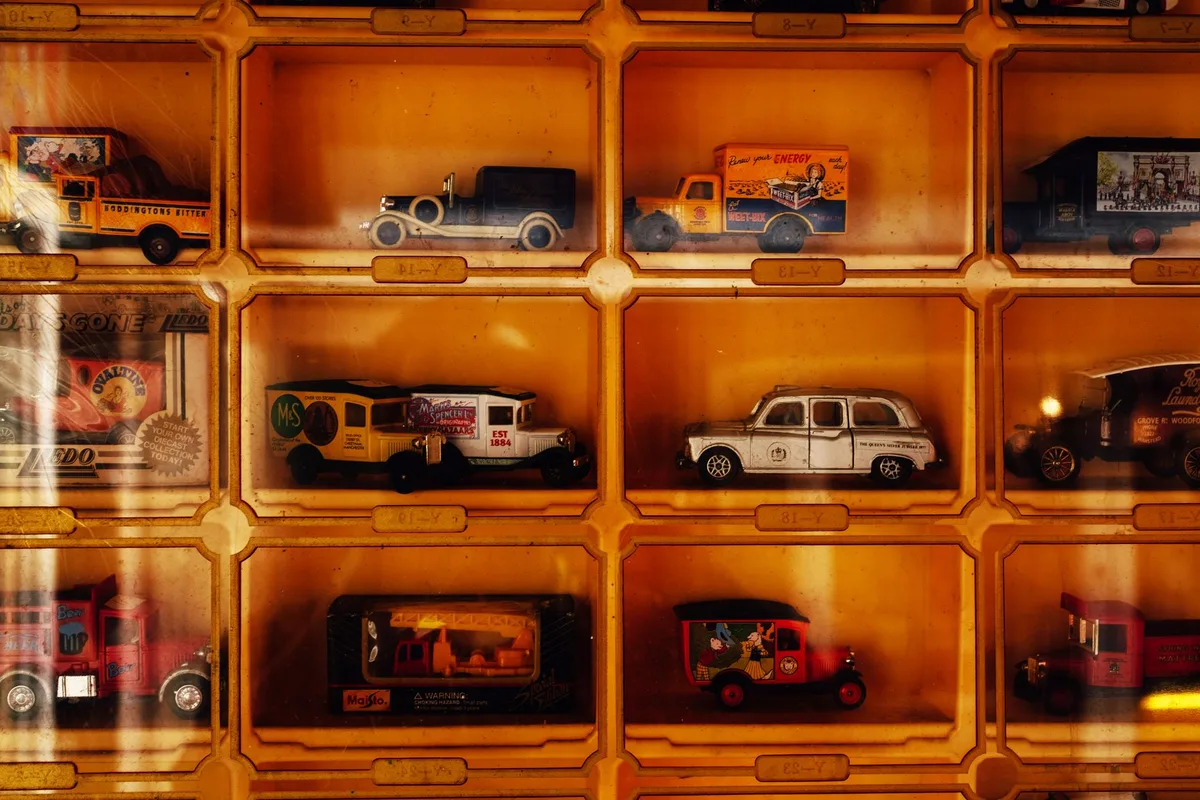
- Varied eras: Displays typically span several decades, so expect to see items from the 1960s through the 1990s.
- Iconic lines: The collection often highlights mainstream franchises alongside obscure tie‑ins and regional promotional pieces.
- Memorabilia and packaging: Many visitors say the boxed and carded items—which show original art and pricing—are among the most compelling exhibits.
- Photo opportunities: There are a handful of staged scenes designed for photos; policies on flash photography can vary, so ask at the desk.
Practical notes: the museum sits within walking distance of the town center, but parking can be limited during peak times. Hours have changed since the closure announcement—check the museum’s official channels before you travel. Admission fees are modest; staff typically welcome questions about the provenance of items but may not be able to provide detailed provenance records for every piece.
Community impact and what could happen next
When a local museum closes, its collection faces several possible futures: transfer to another public institution, sale to private collectors, or auction dispersal. Each outcome carries different implications for researchers, families and fans who want ongoing access.
Local historians and collectors often try to intervene when institutions announce closures, but success depends on funding, storage capacity and legal ownership. If keeping the collection intact matters to you, the immediate practical step is to reach out to the museum for confirmed details about timelines and any planned disposition.
For residents, the loss of the museum would be more than sentimental—small cultural sites help diversify local economies and give communities distinct identities. Even a temporary closure can ripple into reduced foot traffic for nearby businesses that benefited from museum visitors.
Tips for a last visit
- Call or check the museum’s website or social media for the latest opening hours and ticketing information.
- Visit on a weekday morning if you want a quieter experience and better photo conditions.
- Bring small bills—some independent museums prefer cash for souvenirs or on-site purchases.
- Ask staff about upcoming plans for the collection if you’re interested in donations, acquisitions, or public transfers.
As the museum moves toward closure, what once felt like a permanent hometown fixture has become time-limited. For collectors, families and anyone curious about the material history of toys, now is the moment to see the displays in person and record stories before the cases are packed away.
Before you go, verify current details with the museum directly—schedules and procedures often change quickly when an institution is winding down operations.