Show summary Hide summary
A California bill moving through the Legislature could let undocumented students take jobs on state college campuses, a shift that supporters say would ease costs for students and bolster campus staffing. AB 713—now in a Senate committee after clearing the Assembly—would create a state-level exception allowing eligible students to be employed at places such as campus recreation centers and libraries.
Assemblymember José Luis Solache introduced the proposal, known as the Opportunity for All Act, late in 2025. Backers frame it as a practical fix for students already paying in-state tuition and receiving aid under the California Dream Act who currently cannot accept campus work because of their immigration status.
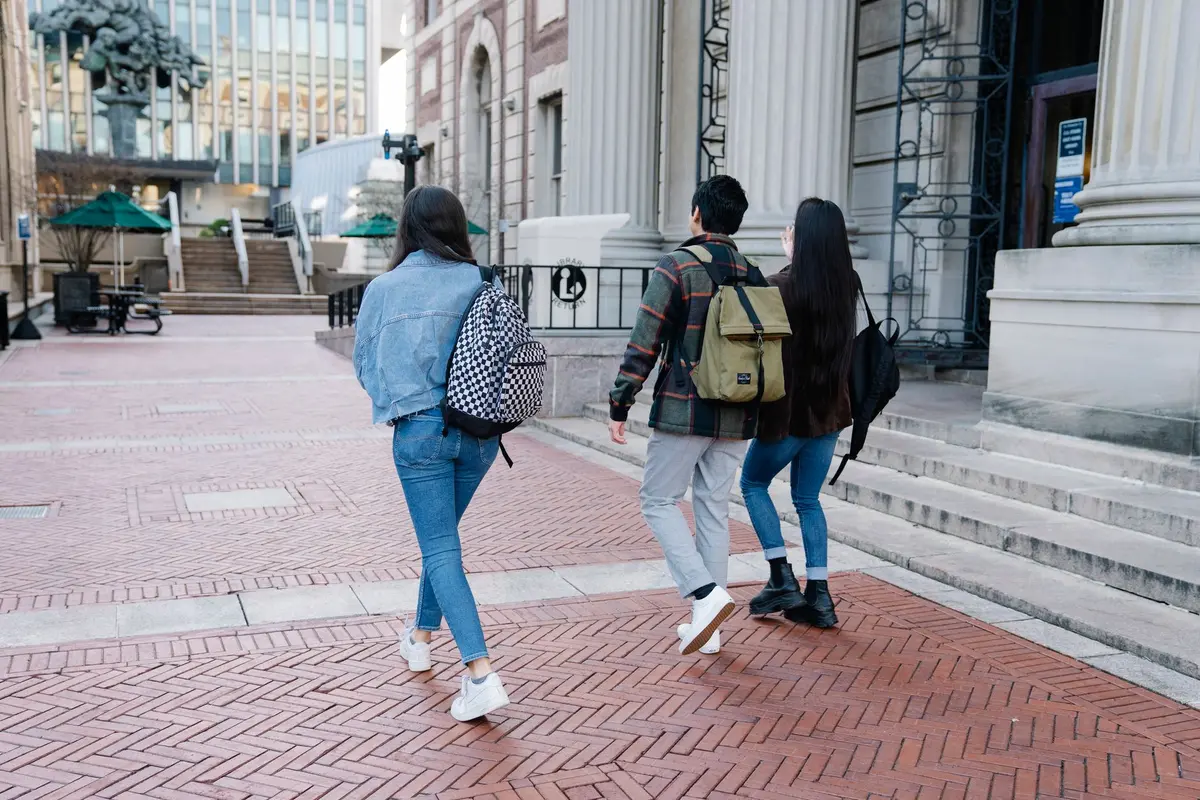
At Cal Poly, the change would affect roles at facilities including the Rec Center, Mustang Lanes and the Kennedy Library. Proponents highlight immediate benefits: more students able to earn money while studying, and campus departments with increased access to part-time workers as enrollment shifts across the Cal State system.
Christa Pike released from hospital after failed execution, attorneys say
Dolly Parton tribute drives Madonna Inn crowds: steakhouse unveils limited menu
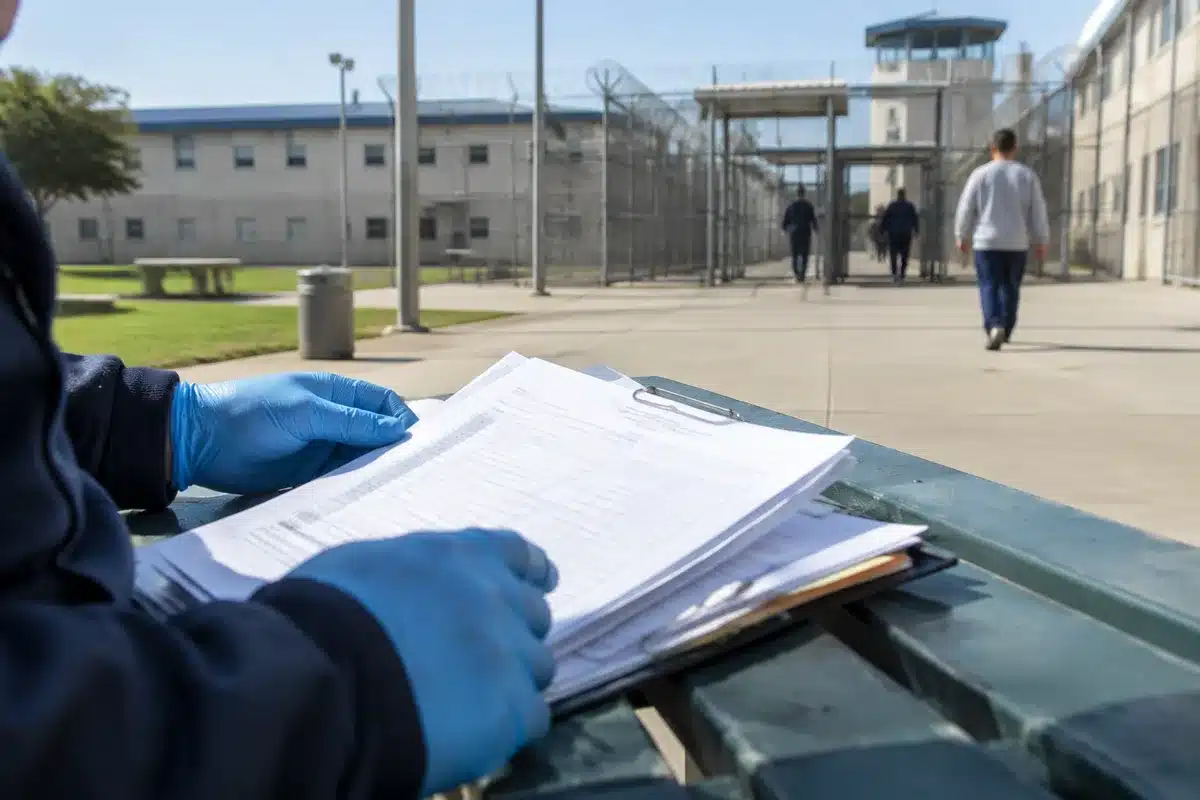
But the measure sits at the intersection of state policy and federal employment law. Right now, federal statutes disallow hiring undocumented workers; AB 713 would carve out an exception specifically for state-funded colleges—an approach legal experts warn could invite litigation.
Why this matters now: the bill arrives after a recent California Supreme Court decision finding that barring undocumented students from campus employment amounted to discrimination, a ruling advocates say clears the path for legislative change. If the Senate approves AB 713, state colleges would have until 2027 to update hiring procedures.
Voices from campus and the Capitol
Supporters in Sacramento and on campuses argue the bill addresses both equity and practical needs. Assemblymember David Alvarez told an Assembly higher education committee that students who have complied with state requirements deserve the opportunity to work and contribute to public life.

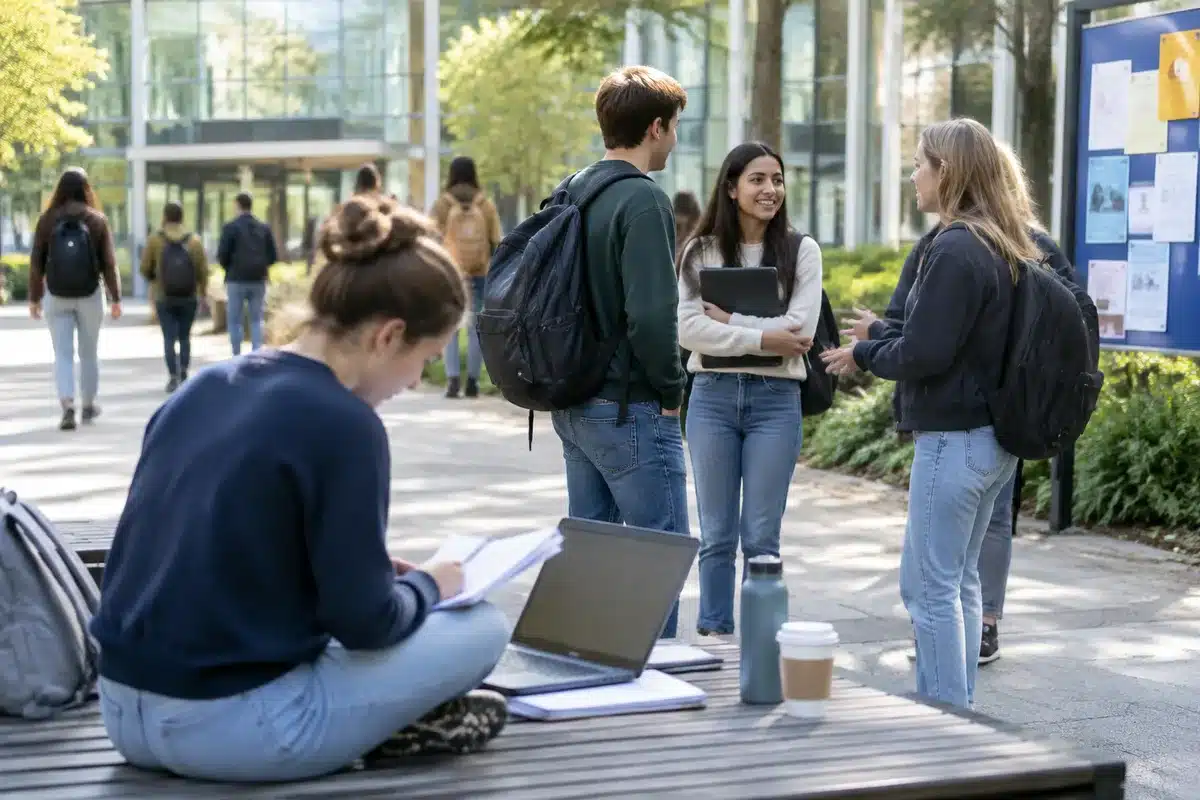
Students interviewed on campus reflected that sentiment. Vineet Subramanyan, an architectural engineering freshman, said it makes little sense to deny jobs to students who already pay tuition and benefit from state-funded programs; allowing them to work, he added, strengthens the university community.
Faculty supporters point to institutional priorities as well. Cal Poly political science professor Jared Van Ramshorst said expanding hiring eligibility could help the university as it pursues Hispanic-Serving Institution status and copes with changing enrollment patterns, noting demand for student workers in STEM-focused roles.
Opponents argue the change might displace U.S. citizen students seeking campus employment. Van Ramshorst counters that labor markets are dynamic and that campus roles are not a fixed pool simply taken away, though the debate over economic effects is likely to continue as the bill advances.
Key points at a glance
- AB 713: Proposed state law to permit certain undocumented students to be hired by state-funded colleges.
- Who it affects: Undocumented students enrolled at California State University campuses and other state-funded institutions; campus departments that hire student workers.
- Legal context: Federal law currently bars employing undocumented workers; the bill would create a state exemption and could prompt legal challenges.
- Recent precedent: A California Supreme Court ruling last year deemed blanket bans on employing undocumented students discriminatory.
- Legislative status: Passed the Assembly in January; under review in a Senate committee. If approved, colleges would have until 2027 to implement changes.
As the Senate reviews AB 713, campuses and lawmakers will be watching how the proposal balances access, legal constraints and institutional needs. For students who rely on campus work to cover living and educational expenses, the outcome could materially affect affordability and how fully they can participate in campus life.