Show summary Hide summary
A new social-media challenge urging children to heat the squishy toy NeeDoh in microwaves has prompted warnings from Oklahoma Children’s pediatricians after similar incidents in other states resulted in burns and hospital care. Health officials say the trend can make the toy’s interior overheat and rupture, sending hot material or steam onto a child’s skin.
Dr. Ryan Brown, a pediatric physician at Oklahoma Children’s, described the risk as immediate: the toy’s soft filling warms quickly and can burst open when microwaved, exposing children to scalding contents. While Oklahoma has not reported local cases so far, Brown and other clinicians say the pattern of injuries seen elsewhere makes the warning urgent.
Why microwaving these toys is dangerous
Christa Pike released from hospital after failed execution, attorneys say
Dolly Parton tribute drives Madonna Inn crowds: steakhouse unveils limited menu
The problem is not the plastic exterior alone but the material inside. When heated rapidly, the filling — a gel-like or polymer substance designed to be malleable at room temperature — can expand, produce steam or build pressure. That sudden release can spray hot material or cause the toy to rupture, creating a burn risk to hands, faces and eyes.
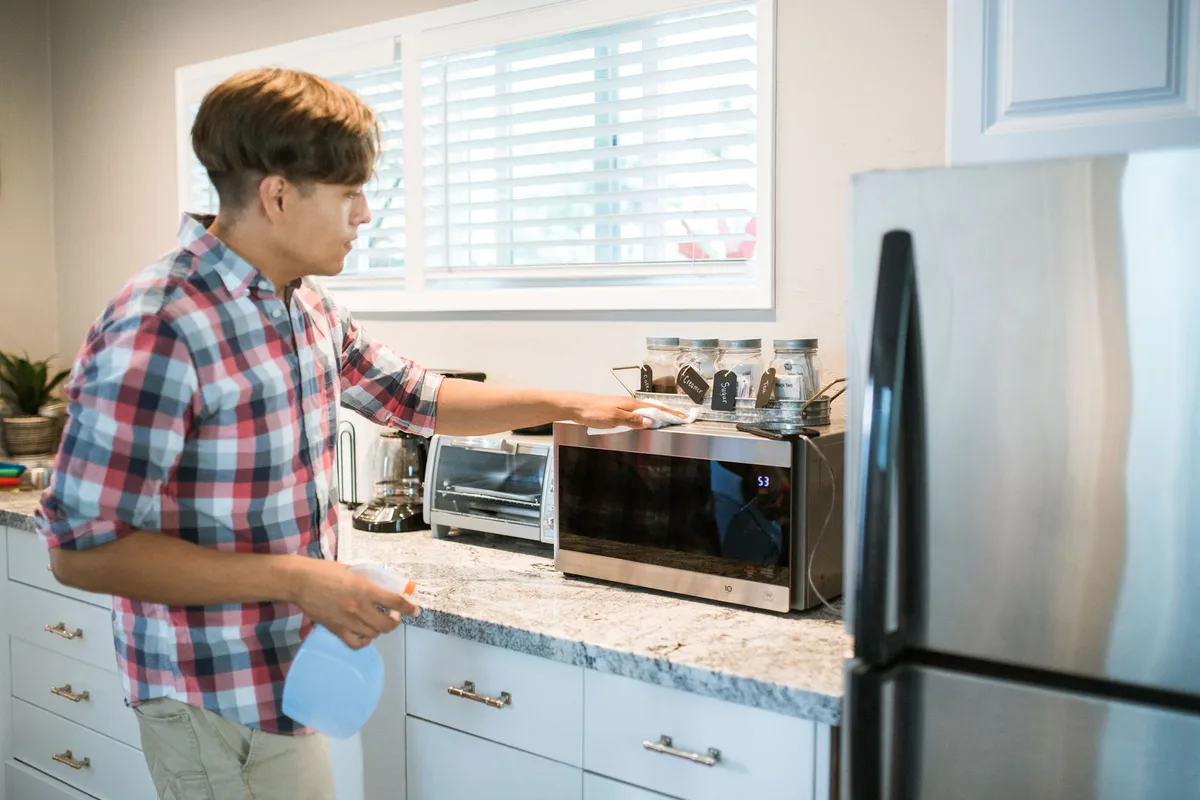
Parents should also be aware that damage to the toy’s casing during heating can leave sharp edges or small pieces that pose choking or laceration hazards for younger children.
What parents should watch for and do
- Do not microwave NeeDoh or similar sensory toys. Heating them alters the product’s safety profile.
- Supervise children while they play with squishy toys and keep them out of bedrooms where unsupervised experiments are more likely.
- Signs of injury: redness, blistering, swelling, or difficulty breathing after exposure. Seek medical attention immediately for anything beyond a minor reddening.
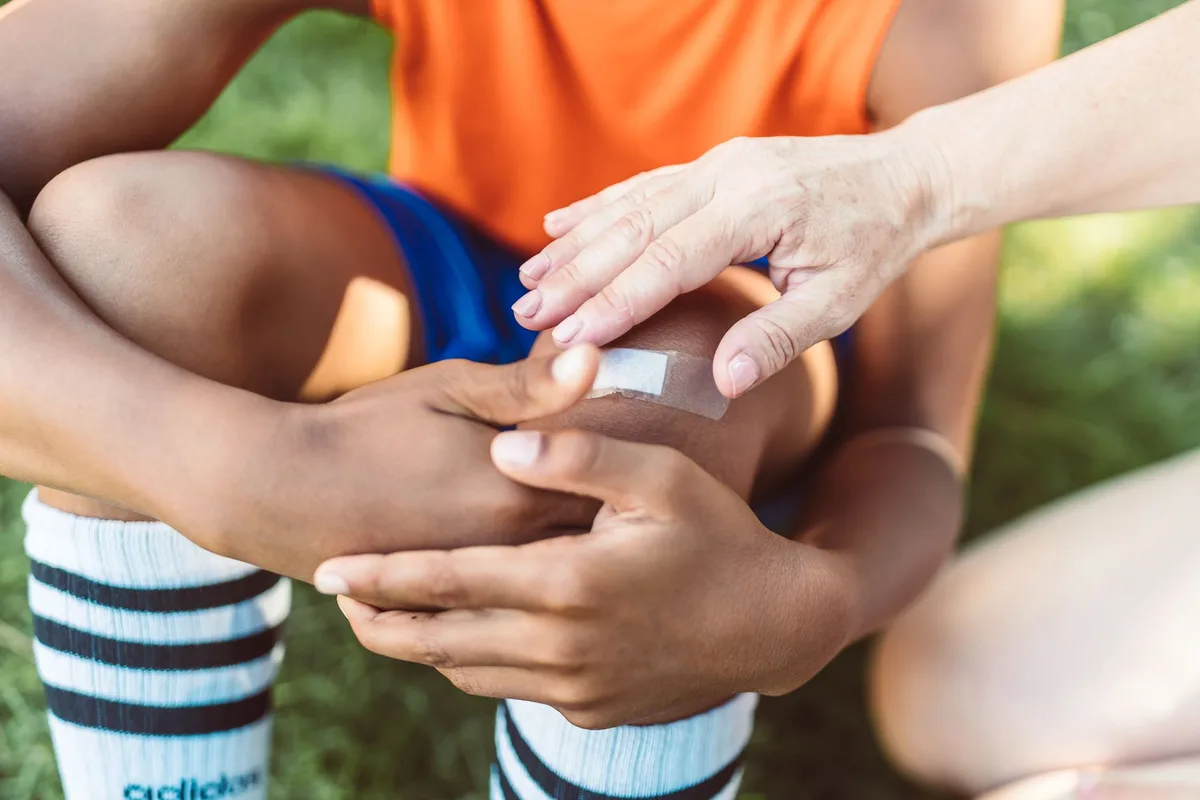
- First aid for a burn: run cool (not icy) water over the area for several minutes and cover loosely with a clean cloth; seek emergency care for large, deep, or facial burns.
- If the toy ruptures and chemicals are on the skin or in the eyes, flush thoroughly with water and contact a healthcare provider or poison control for guidance.
Context and consequences
Viral challenges that encourage dangerous modifications of household items move quickly across platforms and reach children who may not understand the risks. For clinicians, the concern is twofold: immediate injury from heat and the possibility that parents delay care if they assume an injury is minor.
Oklahoma clinicians emphasize prevention. The message to families is simple and immediate — heating these toys is unnecessary and avoidable, and the consequences can be serious.
For parents with questions about a specific product or a child’s injury, contact your pediatrician or local emergency services. In cases of severe burns or chemical exposure, seek urgent medical care without delay.