Show summary Hide summary
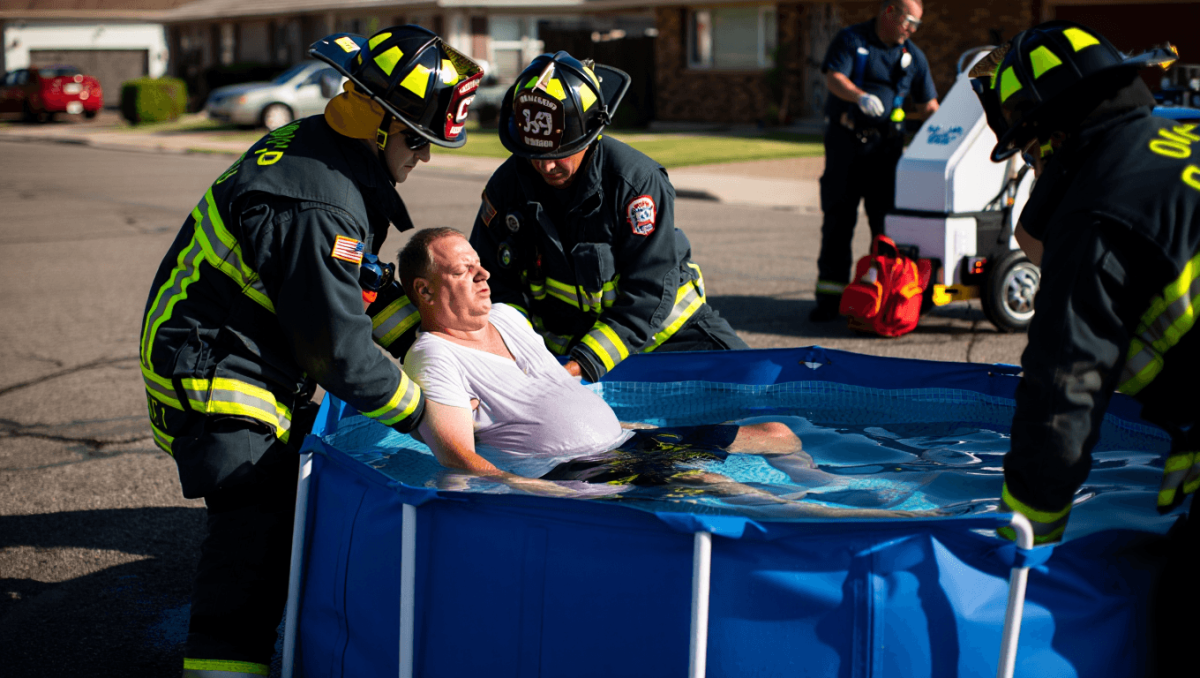
Two transport crews from the Oklahoma City Fire Department have become the first in their system to use on-scene cold water immersion to treat patients suffering heat-related emergencies, the department confirmed. The move illustrates how emergency responders are adapting clinical best practices to meet a rising demand for rapid cooling during extreme heat events.
What the crews did
According to the Oklahoma City Fire Department, two separate incidents prompted crews to employ cold water immersion — a method that lowers core body temperature quickly by immersing a patient in chilled water. The technique is typically used when someone shows signs of a severe heat emergency and immediate cooling is needed to reduce the risk of organ damage.
Christa Pike released from hospital after failed execution, attorneys say
Dolly Parton tribute drives Madonna Inn crowds: steakhouse unveils limited menu
Officials described the interventions as on-scene treatments carried out by transport crews trained in emergency cooling procedures. The department said these were the first uses of the method within their transport units, marking a change in how local EMS teams respond to critical heat illnesses.
Why rapid cooling matters
Heat emergencies can progress rapidly from heat exhaustion to life-threatening heat stroke. Medical guidance emphasizes that the speed and effectiveness of cooling largely determine outcomes. Rapid cooling through immersion is widely regarded in clinical literature as one of the most effective ways to bring dangerously high core temperatures down.
- When it’s used: Severe heat stroke or any heat emergency where core temperature is critically elevated and mental status or organ function is impaired.
- Benefits: Faster reduction of core temperature compared with many other cooling methods, which can lower the risk of lasting injury.
- Precautions: Requires trained personnel, monitoring of vital signs, and protocols to manage complications such as shivering or cardiac instability.
Broader implications for emergency care
Adopting cold water immersion in transport units suggests a shift toward equipping prehospital teams with tools and training that mirror hospital best practices. Emergency departments and EMS systems are increasingly updating protocols as heat waves become more frequent and severe.
For city services, that can mean new equipment, revised training curricula, and closer coordination between field crews and hospital staff. For the public, it highlights the seriousness of extreme heat and the value of early recognition and rapid emergency response.
Heat-related illness remains largely preventable. Hydration, limiting exposure during peak heat, and prompt attention to early symptoms are the first lines of defense. If someone shows disorientation, seizures, loss of consciousness, or an inability to sweat, emergency responders advise calling 911 immediately.