
Show summary Hide summary
On Friday, Aug. 21, OU Health’s pediatric leadership appeared on News 4’s Rise and Shine to warn families that the return to classrooms will likely bring a predictable uptick in respiratory and stomach viruses. The guidance from OU Health’s Dr. Stephanie DeLeon, associate chief medical officer for children’s services, focuses on what to watch for, how to reduce spread and when to seek medical care.
Why this matters now
With students back in close quarters, daycares and schools become efficient transmission hubs for seasonal infections. That raises immediate questions for parents: Which illnesses are most likely to spread, what symptoms merit concern, and how can households avoid repeated quarantines or emergency visits?
Christa Pike released from hospital after failed execution, attorneys say
Dolly Parton tribute drives Madonna Inn crowds: steakhouse unveils limited menu
Common illnesses to expect
Dr. DeLeon said clinicians typically see increases in several familiar conditions each fall. Among them are the influenza virus, respiratory syncytial virus (RSV), COVID-19, streptococcal throat infections and routine gastrointestinal viruses that cause vomiting and diarrhea.
Each illness has its own pattern of symptoms and contagious period, so recognizing the differences can speed appropriate care and limit transmission within classrooms and households.
| Illness | Typical symptoms | Contagious window |
|---|---|---|
| Influenza (flu) | Fever, body aches, cough, fatigue | 1 day before to ~7 days after symptoms begin |
| RSV | Runny nose, cough, wheeze, difficulty breathing in infants | Several days to a week; longer in infants |
| COVID‑19 | Fever, cough, congestion, loss of taste/smell (variable) | Typically 1–2 days before symptoms to 5–10 days after |
| Strep throat | Sore throat, fever, swollen neck glands | Until 24 hours after antibiotics begin |
| Gastrointestinal viruses | Vomiting, diarrhea, abdominal pain | While symptomatic and often 24–48 hours after symptoms stop |
Practical steps families can take
Dr. DeLeon emphasized prevention that is both practical and evidence-based: vaccination where available, good hand hygiene, and sensible decisions about keeping sick children home. These steps reduce exposures and protect high-risk household members, such as infants and children with chronic conditions.
- Get up-to-date with vaccines: seasonal flu shots and COVID boosters if eligible.
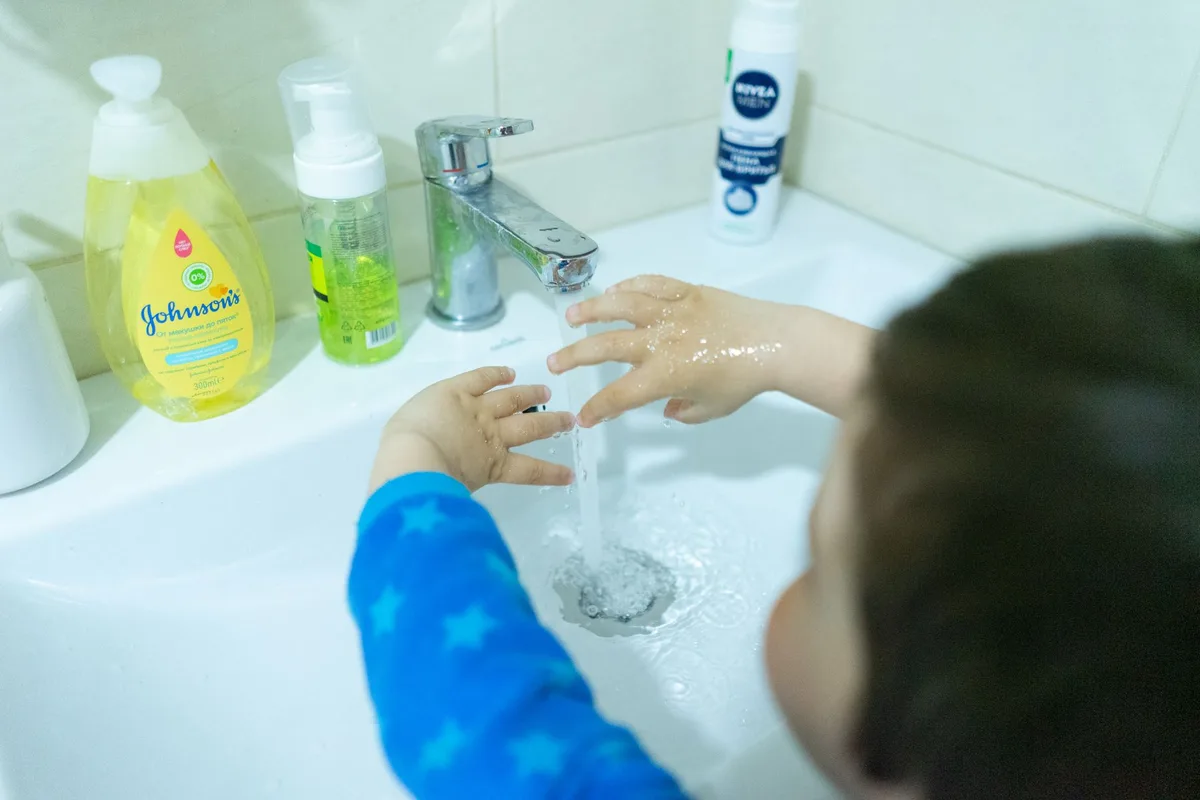
- Encourage frequent handwashing and respiratory etiquette (cover coughs and sneezes).
- Keep sick children home until fever-free for 24 hours without fever‑reducing medication.
- Use rapid tests for COVID-19 when symptoms appear; consult a clinician about testing for flu or strep if indicated.
- Clean high-touch surfaces and avoid sharing utensils during outbreaks.
When to call your doctor or seek emergency care
Not every fever or cough requires a hospital visit. Still, Dr. DeLeon pointed to several red flags that should prompt urgent evaluation, particularly in young children and infants.
If a child shows any of the following, parents should contact their pediatrician immediately or head to the emergency department:
- Difficulty breathing, persistent rapid breathing or bluish lips/face
- Refusing fluids or showing signs of dehydration (very few wet diapers, dry mouth, lethargy)
- High fever that does not respond to medication or lasts more than 72 hours
- Severe, persistent vomiting
- Marked lethargy or inability to wake
What clinicians are prepared to offer
Clinics and hospitals are ready to treat routine seasonal illnesses and to provide targeted therapies when appropriate. That includes antiviral medications for influenza when given early, antibiotics for confirmed strep throat, and supportive care for viral illnesses like RSV and common stomach bugs.
Telemedicine can be a first step for many families, allowing clinicians to assess symptoms and advise on testing or in‑person care without exposing others while contagious.
As the season unfolds, Dr. DeLeon recommended that families maintain basic prevention habits and stay informed about local case trends and vaccine updates from OU Health and public health authorities.